 Retro Replay Retro Replay gaming reviews, news, emulation, geek stuff and more!
Retro Replay Review
Gameplay
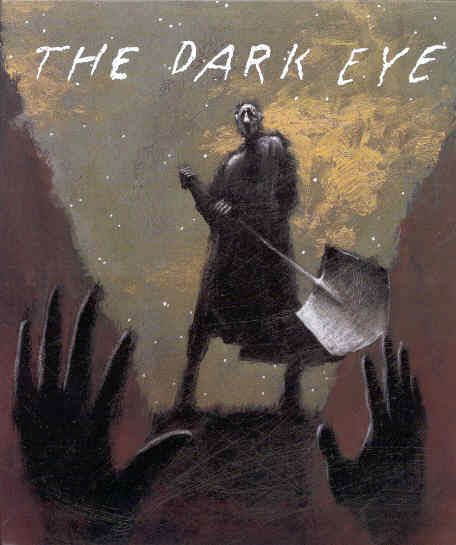
The Dark Eye immerses players in an interactive, point-and-click adventure that blends classic Edgar Allan Poe settings with an original narrative thread. Each chapter presents a self-contained Poe story—such as “The Cask of Amontillado” or “The Tell-Tale Heart”—interspersed with moments in the protagonist’s modern-day journey. Puzzle design centers on environmental interactions, cryptic clues, and voice-guided hints courtesy of William S. Burroughs’s narration, which steers you through both literary vignettes and the unfolding family drama.
(HEY YOU!! We hope you enjoy! We try not to run ads. So basically, this is a very expensive hobby running this site. Please consider joining us for updates, forums, and more. Network w/ us to make some cash or friends while retro gaming, and you can win some free retro games for posting. Okay, carry on 👍)
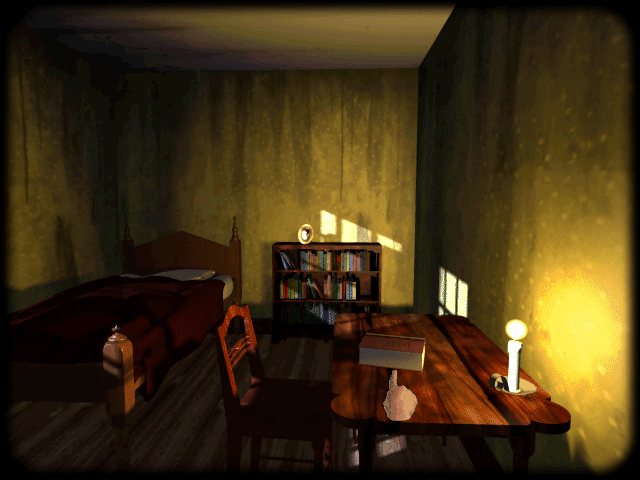
Exploration feels deliberate and paced, encouraging you to examine every claymation figure and eerie artifact. The cursor changes shape when you hover over interactive elements, making it intuitive to identify objects to pick up, doors to open, and characters to speak with. While some puzzles can be obtuse—requiring careful note-taking or trial and error—the challenge contributes to the game’s sense of foreboding, as you unravel ambiguous motivations and secret passages straight out of Poe’s darkest tales.
Interactivity peaks during voice-acted sequences, where Burroughs’s gravelly tones punctuate key moments, offering poetic narration or ominous commentary. These sections don’t just read text aloud; they invite you to solve timed riddles or make dialogue choices that influence small details in subsequent scenes. Though branching outcomes remain limited, the choices you make nurture a feeling of agency, deepening your connection to the protagonist’s descent into madness.
Graphics
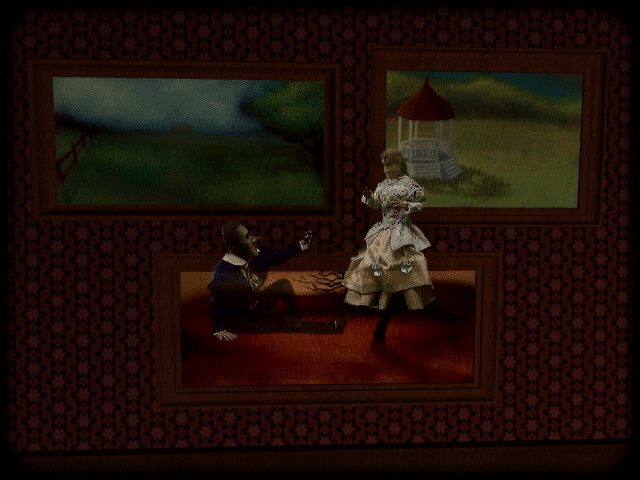
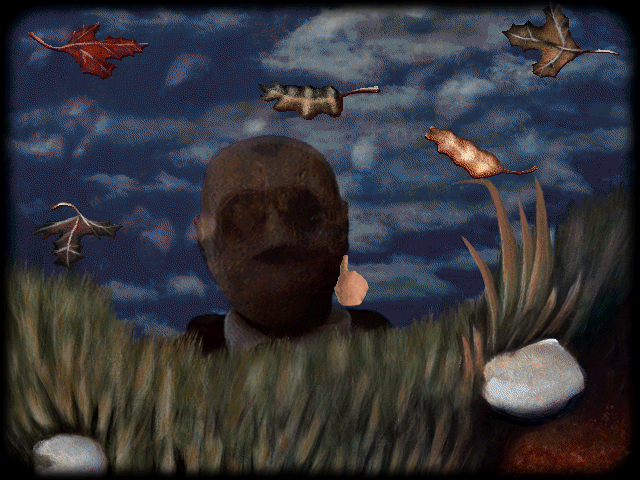
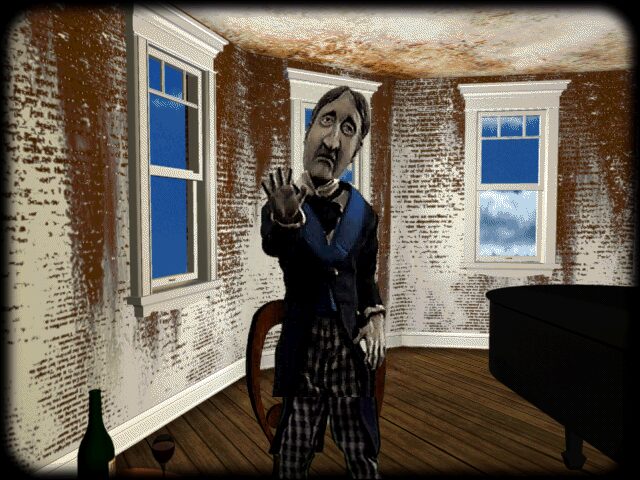
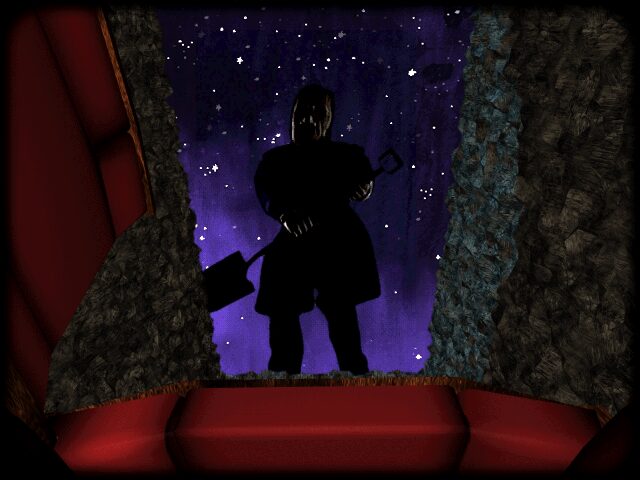
The Dark Eye stands out for its surreal claymation visuals, which lend each Poe episode a tactile, handcrafted quality. Characters and sets are molded from plasticine and animated frame by frame, giving every scene an uncanny life. Shadows stretch ominously across cellars and crypts, while grotesque faces emerge from crumbling walls—images that remain vivid memories long after you stop playing.
Backgrounds are richly detailed, mixing Gothic architecture with nightmarish flourishes: blood-stained murals, rot-encrusted hallways, and flickering lanterns that cast unsettling silhouettes. The color palette shifts from cold blues and grays in “The Tell-Tale Heart” to deep crimsons in “The Masque of the Red Death,” mirroring the mood swings of Poe’s prose. Even the more mundane modern environments—such as the uncle’s study—feel tinged with dread, as if everyday objects might morph into instruments of terror.
While some animations are intentionally jerky, reinforcing a dreamlike, otherworldly vibe, others glide smoothly, showcasing the technical artistry behind the claymation process. Cutscenes punctuate gameplay with dramatic camera angles, slow zooms, and close-ups on wrinkled faces—techniques that heighten suspense. Combined with thoughtful UI design and minimal HUD elements, the visuals never feel cluttered, allowing the atmospheric art to take center stage.
Story
At its heart, The Dark Eye weaves two narratives into one tapestry of madness. On one strand, you relive Poe classics, entering “The Cask of Amontillado” to witness Montresor’s grim revenge or navigating the claustrophobic corridors of “The Tell-Tale Heart.” These interludes remain faithful to Poe’s original text but are stretched into interactive vignettes that make you an active participant in each harrowing moment.
Parallel to these literary dives is the unfolding drama of a nameless protagonist visiting his uncle Edwin—voiced by William S. Burroughs—and reconnecting with his brother Henry and the enigmatic Elise. The trio’s relationships twist into a clandestine affair that Edmond—Edwin’s alter ego—finds abhorrent. As you navigate their simmering tensions, every dialogue choice and environmental clue gradually reveals a family history steeped in betrayal, jealousy, and the uncanny.
The Masque of the Red Death reading, delivered by Burroughs’s unmistakable voice, emerges as the game’s emotional centerpiece. Its chilling cadence underscores the protagonist’s growing unease, foreshadowing the final unraveling. By seamlessly transitioning between Poe’s timeless horror and the original storyline’s psychological drama, The Dark Eye crafts a poignant exploration of obsession, guilt, and the fragile line between sanity and the abyss.
Overall Experience
The Dark Eye delivers a rare fusion of classic literature and interactive horror, making it a compelling pick for fans of narrative-driven adventure games. Its deliberate pacing rewards players who relish atmospheric buildup and cerebral puzzles, rather than fast-paced action or jump scares. By leaning into Poe’s macabre sensibilities and adding a personal family saga, the game achieves a perfect balance between homage and innovation.
Audio design stands out as a core strength: William S. Burroughs’s narration adds gravitas to every word, while Thomas Dolby Robertson’s haunting score amplifies tension with dissonant chords and evocative melodies. Combined with the visually striking claymation, the sensory immersion remains unmatched, keeping you on edge from the first scene to the final, shudder-inducing reveal.
Even today—years after its release—The Dark Eye retains a timeless allure. Its unique aesthetic, leisurely yet compelling gameplay, and masterful storytelling create an experience that lingers long after you’ve closed the game. Whether you’re a Poe aficionado, an adventure gamer, or a seeker of eerie interactive tales, this title offers an unforgettable journey into the darkest corners of the human mind.


Reviews
There are no reviews yet.