 Retro Replay Retro Replay gaming reviews, news, emulation, geek stuff and more!
Retro Replay Review
Gameplay
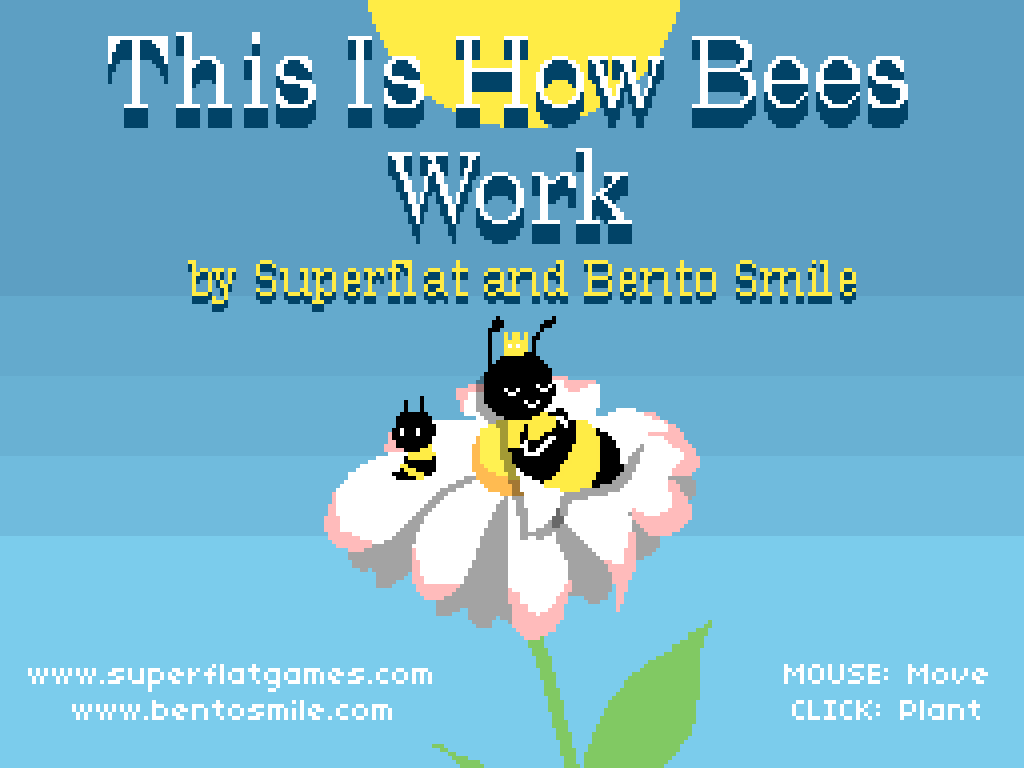
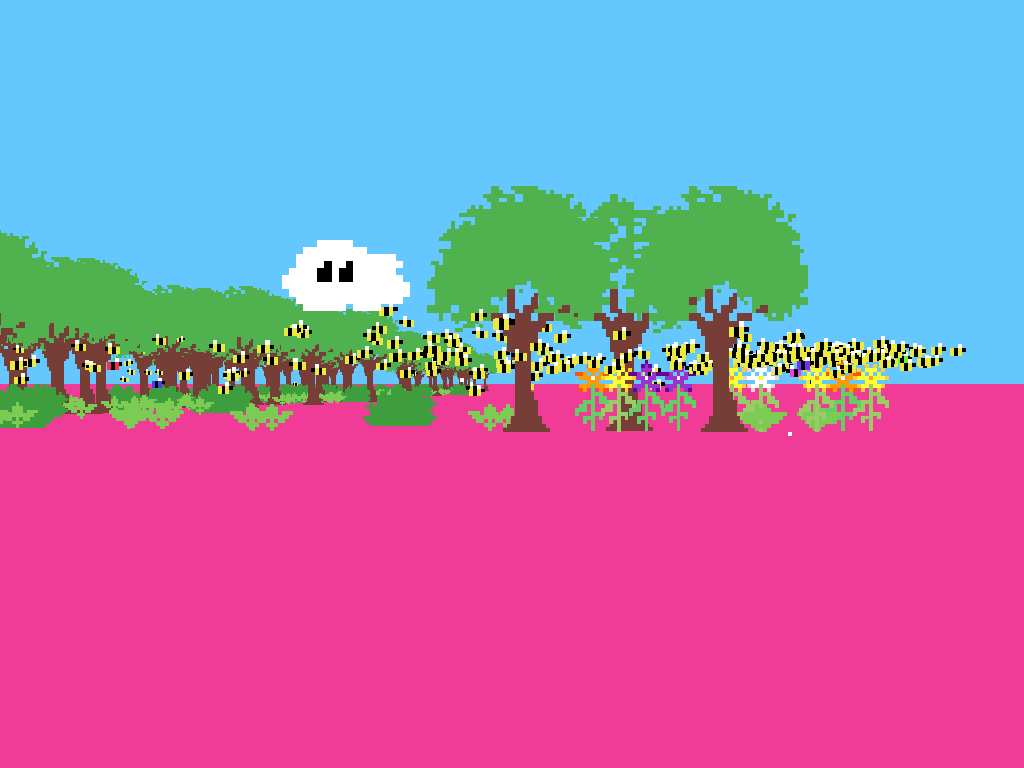
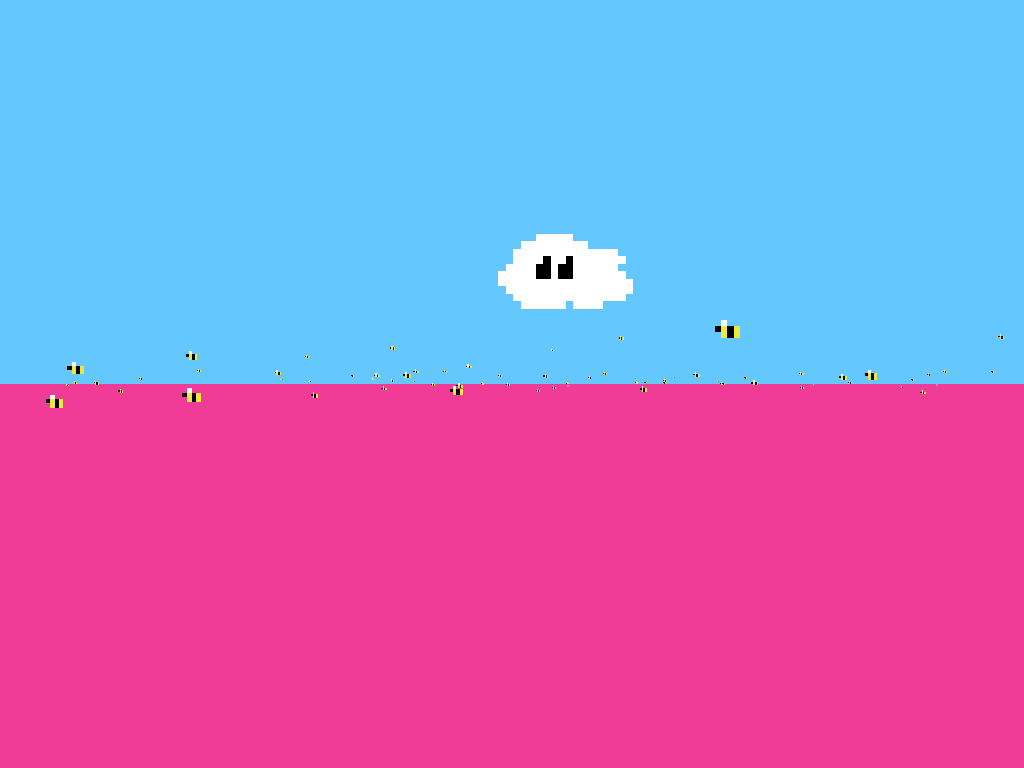
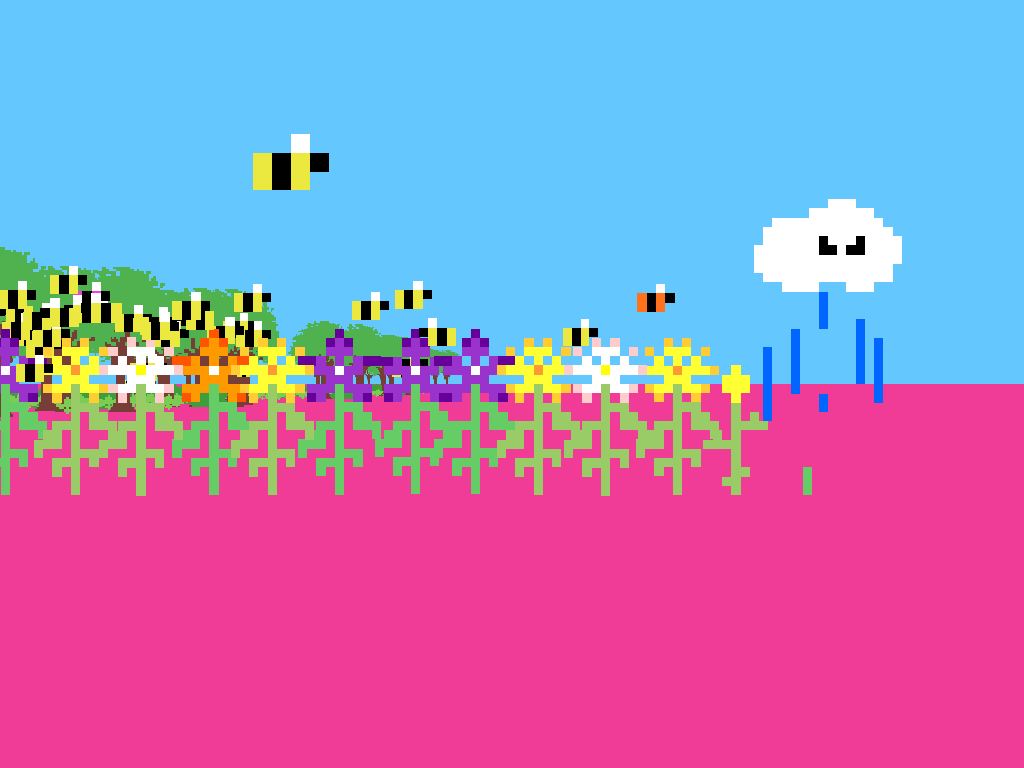
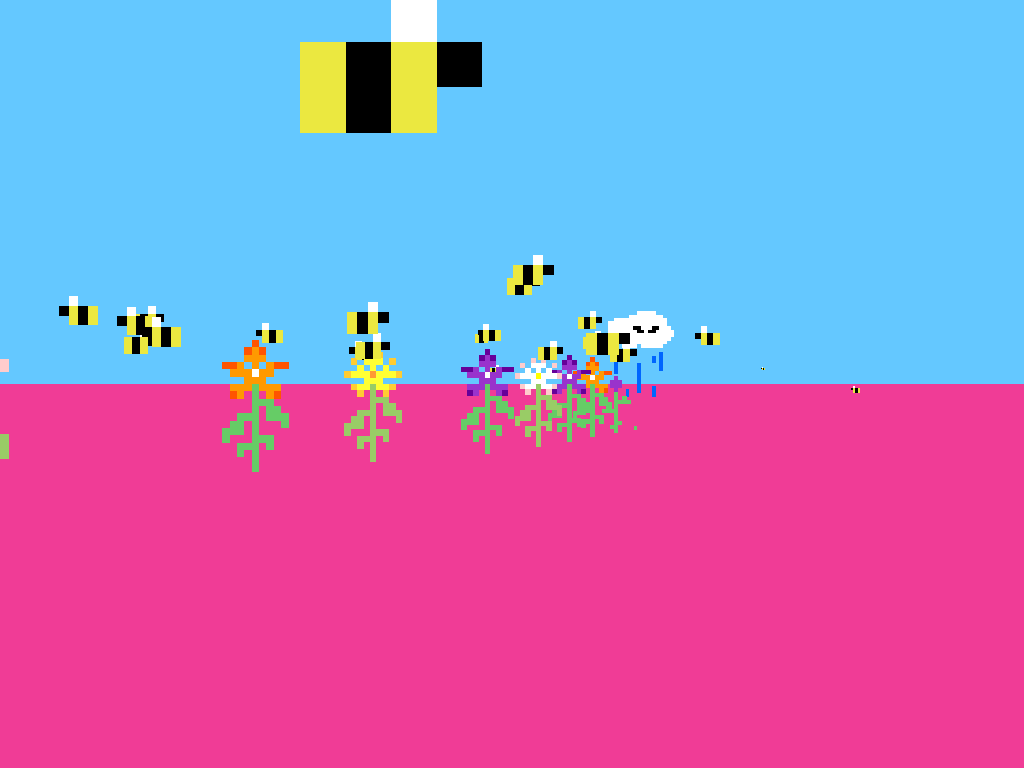
This Is How Bees Work presents a refreshingly simple yet surprisingly deep interactive loop that places the player in control of a cloud. Using only the mouse, you click to make it rain, which in turn attracts bees to the sprouts emerging from the ground. As the bees gather pollen, they carry seeds and drop them in new locations, causing flowers, bushes, and trees to grow. This straightforward control scheme makes the game immediately accessible to players of all ages and backgrounds.
(HEY YOU!! We hope you enjoy! We try not to run ads. So basically, this is a very expensive hobby running this site. Please consider joining us for updates, forums, and more. Network w/ us to make some cash or friends while retro gaming, and you can win some free retro games for posting. Okay, carry on 👍)
Despite its minimalist interface, the game encourages experimentation. Different rain patterns and sequences can influence how and where plants take root, and the timing of your rainfall affects bee behaviour. You quickly learn to coax the bees into expanding the flora in desired patterns, leading to satisfying bursts of growth. Over time, new bee colour variants appear, each interacting with the environment in unique ways—some accelerate plant growth, while others introduce subtle shifts in ecosystem balance.
The pacing is intentionally unhurried, reflecting the real-world rhythms of nature. There are no timers, points, or fail states, which allows you to focus purely on the cause-and-effect relationships at play. For players expecting traditional challenges or rewards, the lack of explicit objectives might feel too relaxed. However, for those seeking a meditative, sandbox-style experience that doubles as an interactive documentary, the gameplay loop is both informative and oddly addictive.
Graphics
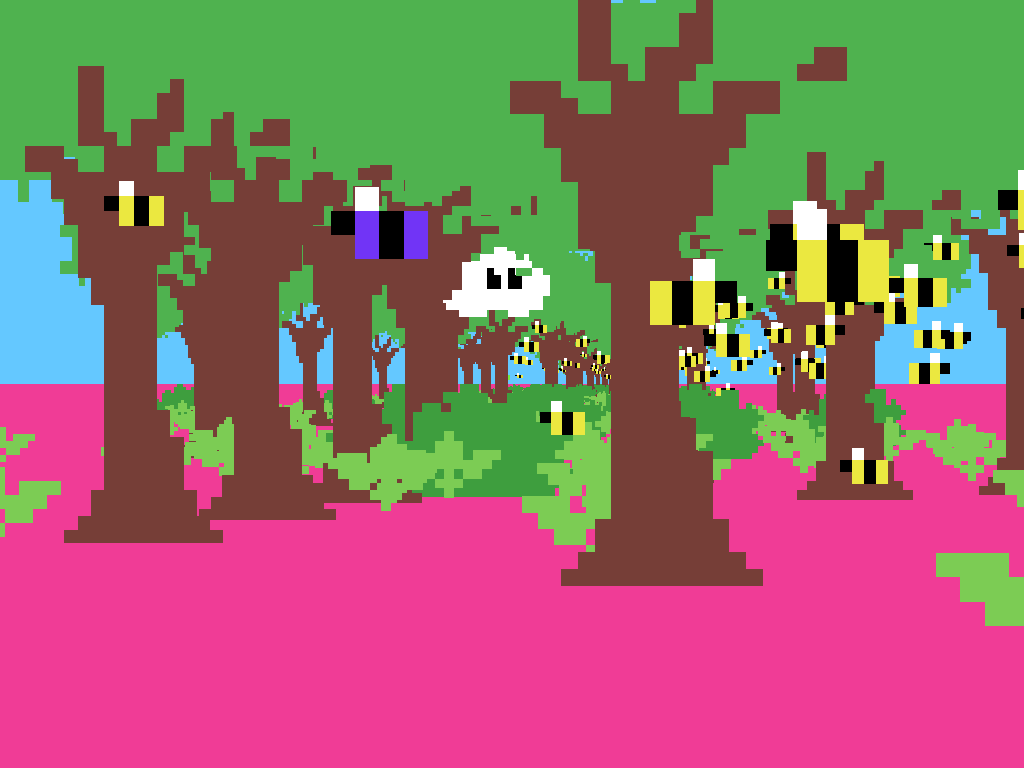
This Is How Bees Work uses a faux 3D environment populated by charming 2D sprites, striking a balance between simplicity and visual appeal. The ground is rendered in soft, textured tones that evoke fertile soil, while the cloud you control is depicted with gentle shading and subtle animations. Together, these elements create an inviting tableau that encourages exploration and play.
The bees themselves are little works of pixel art, each colour variation clearly distinct yet unified by a cohesive art style. Watching them flit from flower to flower feels organic, thanks to smooth sprite transitions and thoughtful pathfinding. Meanwhile, the emergent growth of plants—petals unfurling in slow motion, leaves sprouting and trees expanding—offers a delightful visual payoff for your actions.
Lighting and environmental effects are used sparingly but effectively. Occasional light rays breaking through the canopy, soft particle effects when seeds drop, and gentle wind animations across the treetops all enhance the immersion. While the game doesn’t push for photorealism, its stylized graphics serve the educational goals perfectly, making complex ecological interactions both clear and captivating.
Story
Rather than deliver a linear narrative, This Is How Bees Work unfolds its “story” through interactive documentary design. There are no voiced-over segments or text-heavy exposition; instead, the game relies on your participation to illustrate the pollination process and the vital role bees play in ecosystem health. Every bloom and every swarm tells a small slice of that larger tale.
The progression of bee colour variants can be read as chapters in the documentary’s arc. As you introduce different rainfall patterns, you inadvertently summon new bee species whose behaviours alter the ecosystem in subtle ways. This emergent storytelling encourages players to piece together cause and effect, fostering a deeper appreciation for biodiversity and ecological balance.
Through its nonverbal approach, the game invites players to learn by doing. Rather than being told “this is how bees work,” you witness it firsthand in the simulated environment. This hands-on model of storytelling is particularly effective for visual learners and young audiences, who can grasp complex environmental concepts through simple interactions rather than dense scientific text.
Overall Experience
Playing This Is How Bees Work feels like tending a tiny, living diorama. The absence of stressors—no timers, no enemies, no high scores—allows for a completely open-ended experience. You decide when and where to make it rain, and you watch the world respond. This unhurried freedom can be profoundly relaxing, turning gameplay sessions into short moments of digital mindfulness.
On the other hand, players seeking adrenaline-pumping action or tightly structured challenges may find the experience too tranquil. The game’s focus on education and contemplation means that thrills are replaced by steady, evolving patterns of growth. It’s a niche appeal, but for anyone curious about ecology or in need of a serene virtual escape, it hits the mark.
Ultimately, This Is How Bees Work succeeds as both a soothing sandbox and an interactive lesson in pollination dynamics. Its blend of simple mechanics, attractive visuals, and emergent storytelling makes it a standout educational title. Whether you’re a nature enthusiast, a parent looking for a gentle introduction to biology, or simply someone in search of a tranquil gaming experience, this charming documentary-like simulator is well worth your time.


Reviews
There are no reviews yet.