 Retro Replay Retro Replay gaming reviews, news, emulation, geek stuff and more!
Retro Replay Review
Gameplay
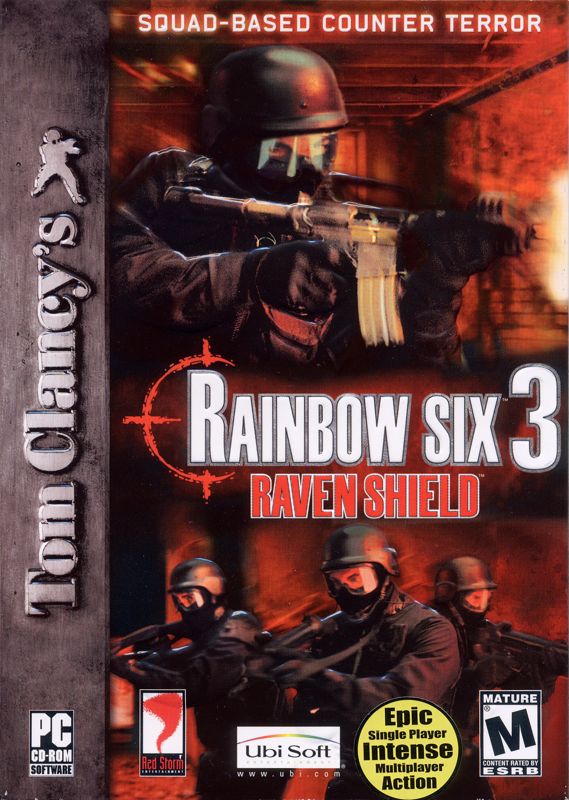
Tom Clancy’s Rainbow Six 3: Raven Shield places you in command of an elite, international counter-terrorism unit known as Rainbow, tasking you with planning and executing high-stakes missions around the globe. Each operation unfolds in two distinct phases: a strategic planning stage where you configure team loadouts, assign roles, and draw detailed infiltration routes on the mission map; followed by the tactical execution phase that demands precision, patience, and split-second decision-making. This dual-layered structure elevates Raven Shield beyond a standard first-person shooter, rewarding players who think like true special-operations leaders.
(HEY YOU!! We hope you enjoy! We try not to run ads. So basically, this is a very expensive hobby running this site. Please consider joining us for updates, forums, and more. Network w/ us to make some cash or friends while retro gaming, and you can win some free retro games for posting. Okay, carry on 👍)
The planning interface is remarkably robust. You choose weapons, body armor, specialized equipment, and even the type of ammunition each operative carries. You can create custom waypoints, action points, and stopping points for multiple fire teams, or tweak pre-made plans to suit your style. This level of granular control ensures that no two missions play out the same way, fostering a deep sense of ownership over your squad’s success or failure.
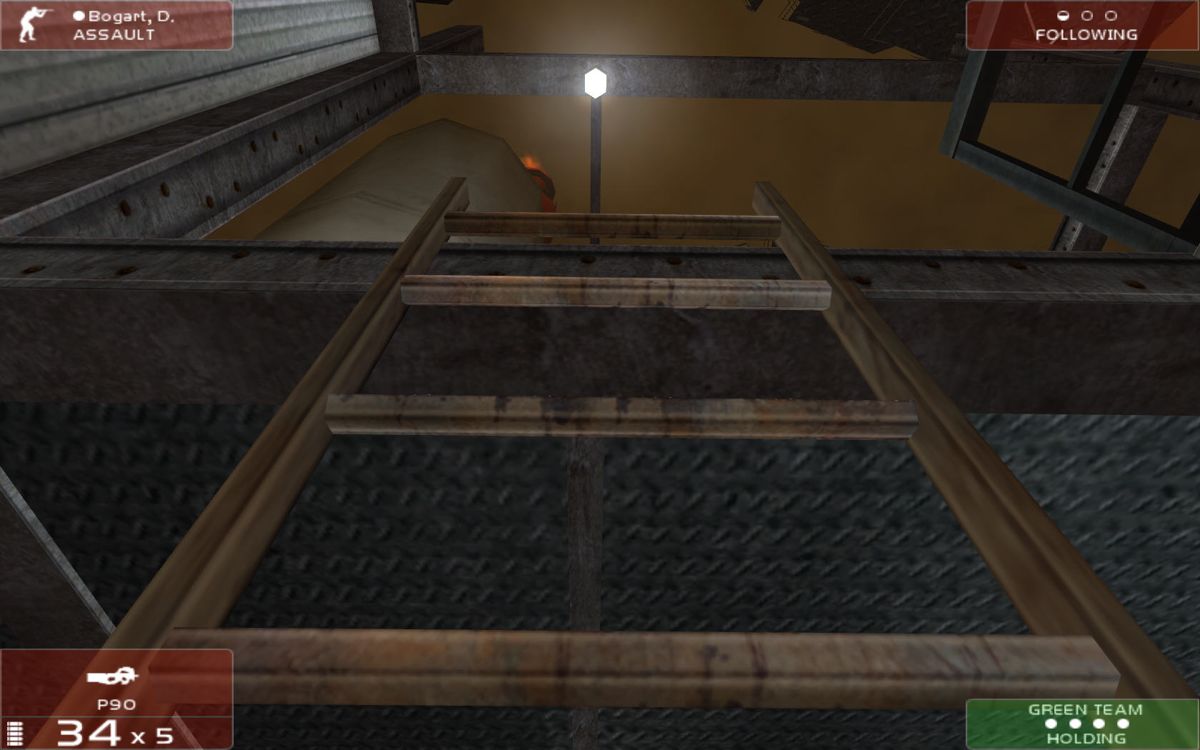
Once the breach begins, Raven Shield shifts to methodical, slow-paced action. You can switch between squad members on the fly or cycle through entire teams, issuing commands to breach doors, hold positions, or provide cover fire. The AI teammates generally respond intelligently to your orders, though their effectiveness can vary based on mission complexity and your initial planning choices. The permanent loss of fallen operatives further raises the stakes—every decision matters, and there’s no room for reckless advancement.
Beyond the single-player campaign, Raven Shield’s multiplayer modes capture the same tense, tactical feel. Classic modes like Team Terror and Co-op Assault challenge you to coordinate with friends or strangers in tightly synchronized operations. The emphasis on planning and restraint carries over seamlessly, creating a unique online experience that rewards teamwork over run-and-gun tactics.
Graphics
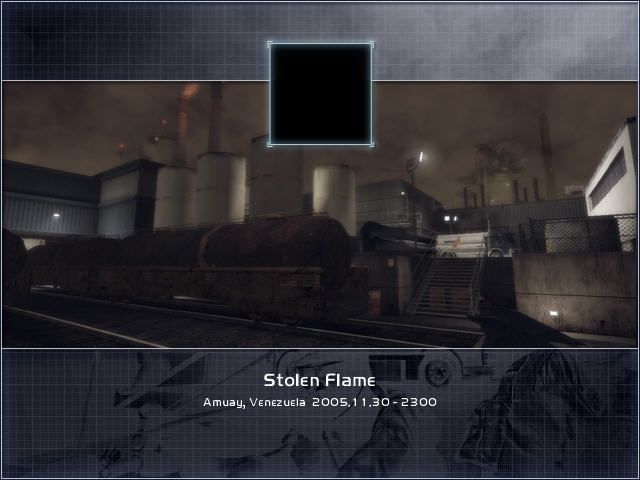
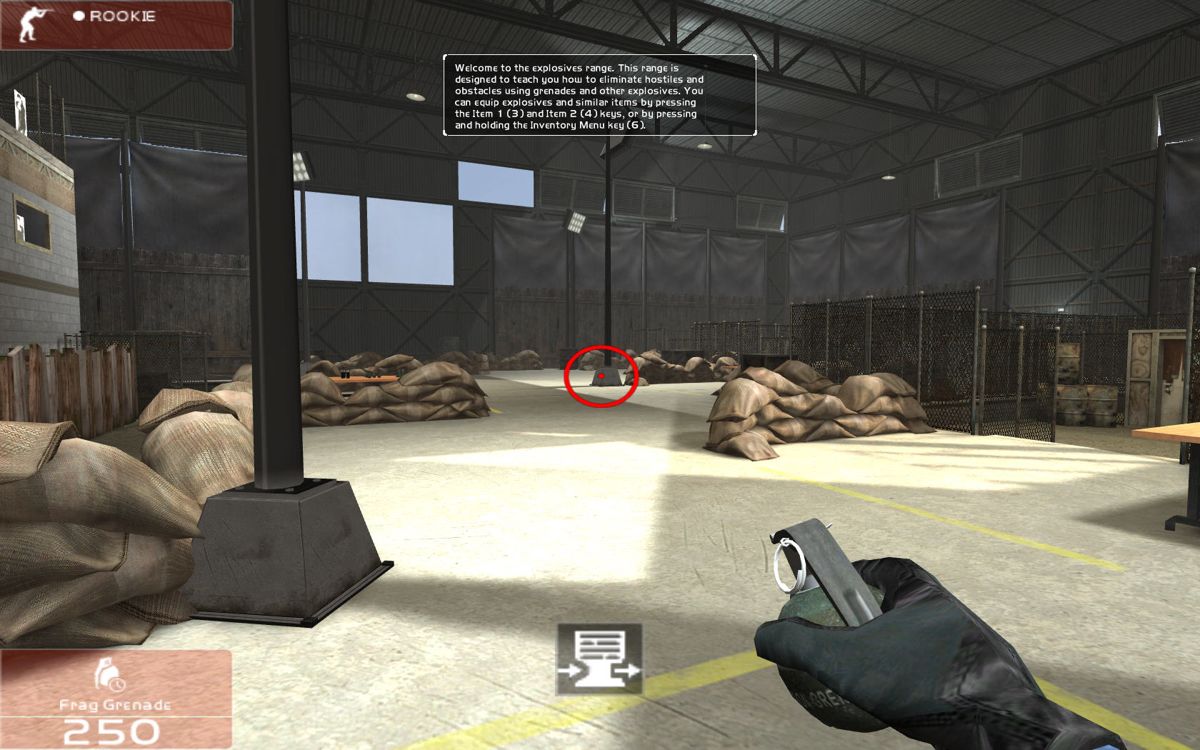
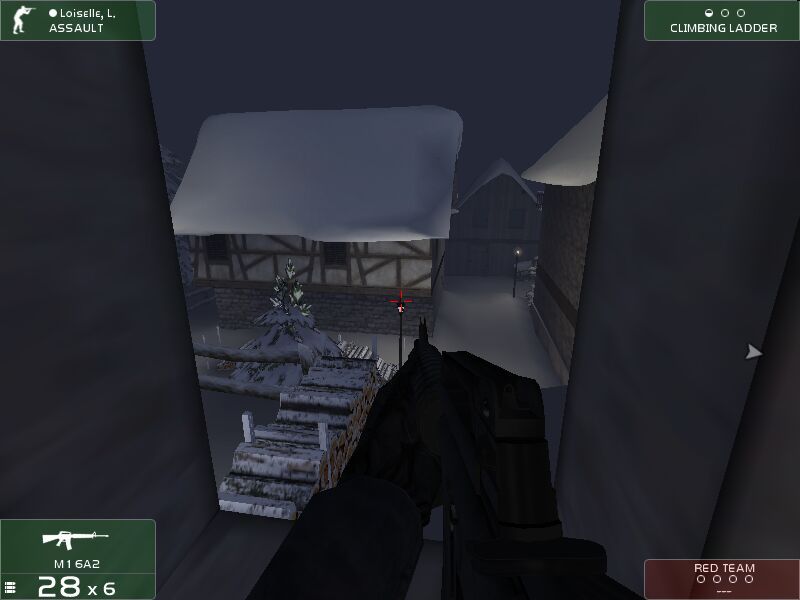
When Raven Shield launched, it set a new standard for environmental detail in tactical shooters. Whether navigating the narrow corridors of a South American refinery or storming a neo-fascist stronghold in Europe, each map boasts realistic textures, dynamic lighting, and carefully crafted architecture. The attention to small details—scuff marks on walls, scattered debris, and ambient smoke effects—immerses players in the gritty world of counter-terrorism operations.
The character models and weapon animations remain impressive today. Each operative’s gear reflects the loadout choices you make, from night-vision goggles to breaching charges. Reload animations are smooth and weighty, reinforcing the sense that every bullet counts. Special effects like muzzle flash, bullet tracers, and debris shattering under gunfire add visceral feedback to every encounter without overwhelming the tactical clarity essential to the gameplay.
Lighting plays a crucial role in Raven Shield’s visual identity. Carefully placed spotlights, flickering bulbs, and shadows cast by rotating fans not only look striking but also influence gameplay, as enemies can lurk just beyond the edge of illumination. These atmospheric touches heighten tension and reward players who use light and darkness to their advantage during stealthy approaches and surprise breaches.
While the game’s age shows in some texture resolution and polygon counts, its art direction and level design remain strong. The environments feel lived-in and authentic, and the consistent visual language across diverse locales helps maintain immersion throughout the campaign’s fifteen missions.
Story
Rainbow Six 3: Raven Shield weaves a narrative that connects past and present in a global conspiracy. In 1945, two Ustaše operatives escape the fall of the Axis powers with a fortune in gold, vanishing into history. Six decades later, neo-fascist groups financed by that hidden treasure launch coordinated attacks on oil facilities and financial institutions across Europe and South America. The premise taps into real-world fears and high-stakes political intrigue, lending each mission an urgent sense of purpose.
The storyline unfolds through mission briefings, debriefing news reports, and on-the-ground dialogue, gradually revealing how each seemingly isolated attack is part of a broader plot. This episodic structure keeps players engaged, as every successful extraction or intelligence coup unlocks fresh leads that push the team deeper into enemy territory. The recurring news segments do more than recap—they illustrate the rising tension in international relations and underscore the global impact of Rainbow’s actions.
Character development is subtle but effective. Team members have distinct specializations—breacher, sniper, demolitions expert—and their personalities surface through terse radio chatter during operations. This restrained approach avoids melodrama while still fostering attachment; losing a veteran operative in the field carries emotional weight, especially after you’ve tailored their equipment and counted on their expertise.
Plot twists emerge organically from mission objectives rather than forced cutscenes. Discovering the hidden connections between attacks, unraveling secret meeting locations, and intercepting critical shipments of arms all feel like logical progressions of the investigation. By the final showdown, you’ve connected the dots from 1945 gold heists to modern-day terror networks, delivering a satisfying payoff rooted in the game’s meticulously built world.
Overall Experience
Rainbow Six 3: Raven Shield remains a benchmark for tactical shooters, offering an experience that balances cerebral planning with measured, heart-pounding action. Its steep learning curve may intimidate casual players, but for those willing to invest time in mastering its systems, the payoff is immense. No two playthroughs are identical, thanks to the modular mission design and permadeath for squad members.
The integration of strategy and first-person combat never feels tacked on. Every decision—whether plotting an infiltration route or choosing a breaching technique—directly influences the firefight that follows. This cohesion between planning and execution fosters a deep sense of immersion rarely achieved in the genre, making each successful mission a memorable accomplishment.
Multiplayer extends the single-player’s tactical depth into cooperative and competitive arenas, ensuring hours of replayability. Collaborating with teammates to clear objectives or outmaneuver enemy squads captures the essence of Rainbow’s teamwork-centric philosophy. Even today, community-hosted servers keep the game alive, attesting to its enduring appeal.
For prospective buyers seeking a mature, thoughtfully designed shooter, Tom Clancy’s Rainbow Six 3: Raven Shield offers a richly rewarding experience. Its blend of strategic foresight, realistic presentation, and narrative intrigue sets it apart from its peers—proof that when gameplay, story, and graphics align, tactical shooters can achieve true greatness.


Reviews
There are no reviews yet.