 Retro Replay Retro Replay gaming reviews, news, emulation, geek stuff and more!
Retro Replay Review
Gameplay
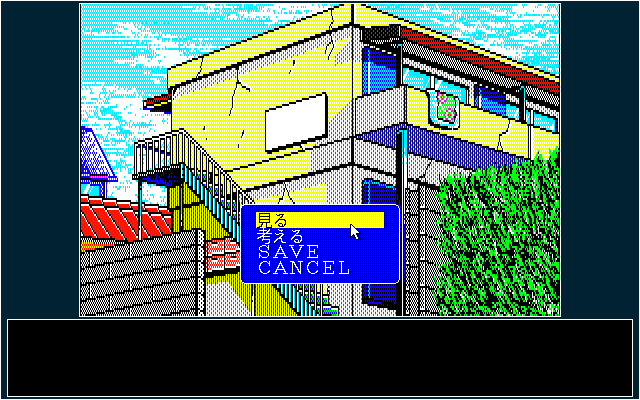
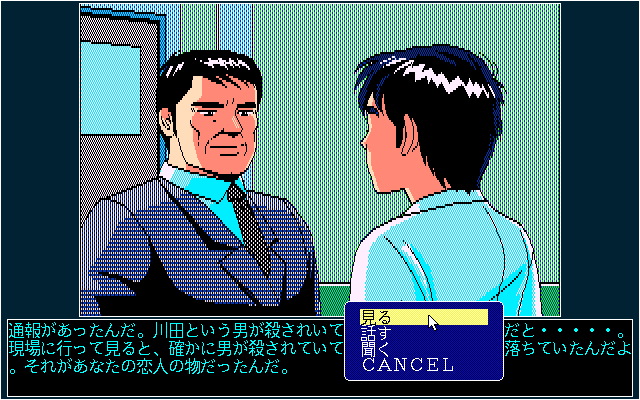
Pias presents a classic Japanese-style adventure interface that revolves around selecting verb commands from a concise menu. Players navigate through environments by choosing actions such as “Look,” “Talk,” “Ask,” “Think,” and “Move,” each of which can reveal new clues, trigger events, or advance the story. This simplicity makes the game highly accessible, even for those new to the visual novel and adventure game genres. However, beneath this straightforward facade lies a depth of interactivity as players must carefully deplete available commands to unlock critical story beats.
(HEY YOU!! We hope you enjoy! We try not to run ads. So basically, this is a very expensive hobby running this site. Please consider joining us for updates, forums, and more. Network w/ us to make some cash or friends while retro gaming, and you can win some free retro games for posting. Okay, carry on 👍)
One of the standout aspects of Pias’s gameplay is its emphasis on timing and sequence. Certain clues only appear if you exhaust specific commands in the correct order, which adds a layer of puzzle-solving without resorting to overtly complex riddles. This design encourages thorough exploration of each scene and rewards patience, as seemingly minor details can later become pivotal to unraveling the murder mystery. The “Think” command, in particular, offers internal monologues from Hiroshi’s perspective, giving players insight into his emotional turmoil and guiding them toward potential next steps.
Despite its largely menu-driven structure, Pias avoids feeling static through its dynamic event triggers. Interactive cutscenes and dialogue branches can shift dramatically based on what information you’ve uncovered or which characters you’ve spoken to. This branching quality keeps tension high, especially when you’re piecing together the circumstances of the murder and the fracturing relationship between Hiroshi and Mayumi. For players who appreciate methodical investigation and narrative-driven agency, Pias strikes a satisfying balance between simplicity and depth.
Nonetheless, the pacing can occasionally slow when you’re mired in command depletion. Some may find the repetition of scanning every inch of a location tedious if they miss a key detail. For these moments, the game’s evocative writing and darkly atmospheric audio cues serve to maintain engagement, underscoring that each action—no matter how minor—contributes to the larger tapestry of betrayal, jealousy, and tragedy that defines the narrative.
Graphics
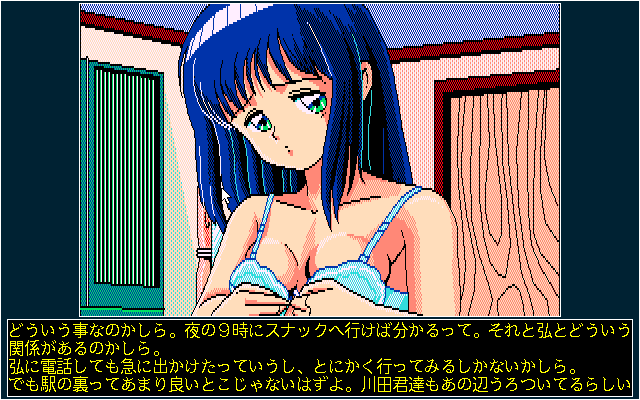
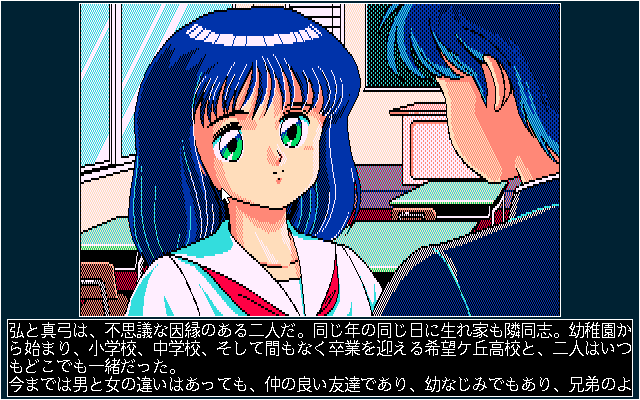
Visually, Pias adopts a traditional, hand-drawn art style reminiscent of classic Japanese adventure titles from the ’90s. Character sprites are richly detailed, capturing subtle emotional cues in Hiroshi’s furrowed brow or Mayumi’s conflicted gaze. Backgrounds are lush yet slightly muted, with careful attention paid to shadows and textures in the kindergarten, college campus, and various crime scenes. This aesthetic choice underscores the game’s melancholic mood and complements its narrative of broken promises and dark secrets.
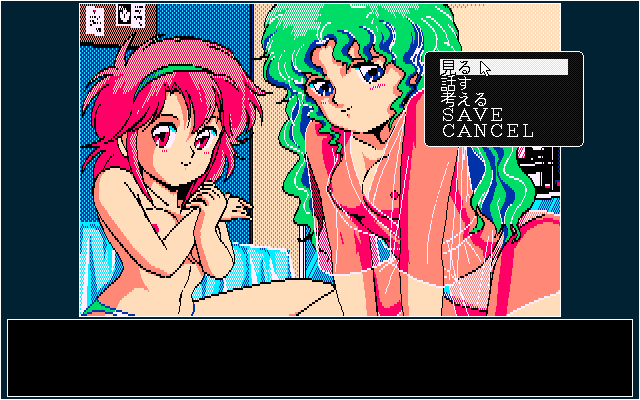
While the resolution and frame rate may feel dated compared to modern high-definition titles, Pias turns this limitation into a strength by leaning into its nostalgic charm. Transitions between scenes are smooth, and facial expressions shift seamlessly during dialogue, lending authenticity to each emotional exchange. Furthermore, the explicit content scenes are handled with tasteful, mature artistry—presented in tasteful illustrations that convey intimacy without crossing into exploitative territory.
Lighting plays a crucial role in setting the tone throughout Pias. Dimly lit classrooms and rain-soaked streets evoke a sense of foreboding, while moments of revelation—such as discovering incriminating evidence—are often bathed in stark, contrasting light. The color palette shifts from warm pastels during childhood flashbacks to cooler, more oppressive hues as the investigation intensifies, subtly guiding the player’s emotional response without the need for heavy-handed exposition.
Animated overlays, such as drifting petals or flickering neon signs, enhance immersion without distracting from the core narrative. These small touches—combined with atmospheric sound effects like distant thunder or whispered voices—create a cohesive audiovisual package that heightens suspense and reinforces the tragic undertones of Hiroshi and Mayumi’s unraveling relationship.
Story
At its heart, Pias weaves a poignant tale of childhood innocence shattered by betrayal and murder. Hiroshi and Mayumi’s shared history forms the emotional backbone of the narrative, grounding the mystery in personal stakes rather than abstract intrigue. The promise they made—to remain together despite diverging college paths—resonates deeply when both break it. This emotional breach sets the stage for a thrilling, character-driven investigation.
The discovery of Mayumi’s one-night companion’s body propels the story into darker territory. Hiroshi is forced to confront not only his heartbreak but also the possibility that the person he loved may be connected to a horrific crime. As players guide Hiroshi through police interrogations and private reflections, the line between lover and suspect blurs, and every new piece of evidence threatens both the investigation and the fragile remnants of their bond.
Pias excels at pacing its revelations, strategically alternating between tense sleuthing and introspective character moments. Flashbacks to the duo’s childhood—playing hide-and-seek in sunlit fields or sharing secrets at dusk—contrast starkly with the game’s present-day dread. These juxtapositions amplify the emotional weight of every clue, inviting players to question how far jealousy and guilt can push two people once so close.
The narrative also doesn’t shy away from mature themes. Scenes of explicit sexual content are interwoven thoughtfully, serving to underscore the complexities of Mayumi’s motivations and Hiroshi’s torment. These moments are neither gratuitous nor sensationalized; instead, they provide context for the characters’ moral struggles and lend authenticity to the story’s portrayal of adult relationships fraught with vulnerability and regret.
Overall Experience
Pias offers a deeply immersive experience for fans of narrative-driven adventure games. Its blend of straightforward interaction, evocative visuals, and emotionally charged storytelling creates a memorable journey through love, betrayal, and redemption. While the traditional command menu may feel simplistic to players accustomed to more modern interfaces, it remains a compelling framework for delivering an intricate mystery with genuine emotional stakes.
The game’s strengths lie in its ability to make every interaction meaningful. Whether you’re choosing which question to ask next or poring over a dimly lit crime scene, Pias rewards attentiveness and thoughtful play. The emotional resonance of Hiroshi and Mayumi’s fractured relationship elevates the investigation, ensuring that each clue you uncover feels personally significant.
Though Pias may demand patience during slower investigative segments, its atmospheric presentation and well-crafted narrative more than compensate. The mature handling of adult themes and the tasteful depiction of explicit scenes add depth without overshadowing the core mystery. For players seeking an adventure game that balances classic mechanics with a compelling, character-driven plot, Pias stands out as a noteworthy experience.
In the end, Pias is not just a whodunit—it’s an exploration of what it means to love and to hurt, to seek truth and to confront personal demons. By the time the final secret is unveiled, you’ll find yourself deeply invested in both the resolution of the murder and the fate of two souls forever changed by promises unmet and paths parted.


Reviews
There are no reviews yet.