 Retro Replay Retro Replay gaming reviews, news, emulation, geek stuff and more!
Retro Replay Review
Gameplay
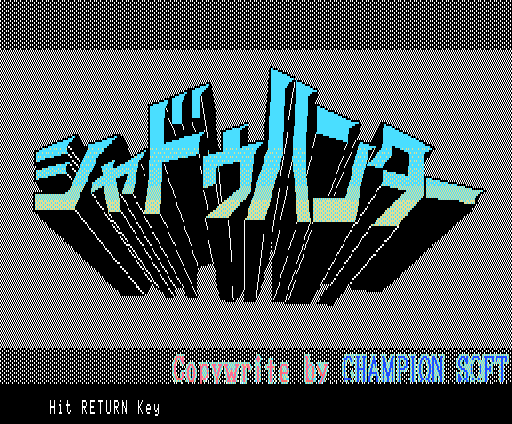
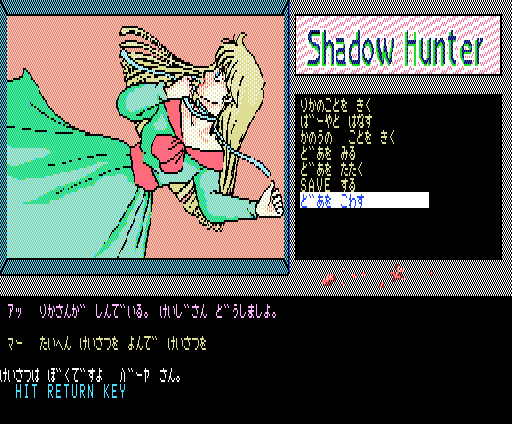
Shadow Hunter greets you as a classic point-and-click detective adventure, but it shakes up expectations with a context-sensitive action panel rather than a traditional verb menu. On each screen you’ll find a handful of actions—examine, talk, use, open—tailored to the moment. This streamlined interface keeps the focus on investigating Yoshizawa’s home, questioning the housekeeper, and ultimately uncovering Rika’s tragic fate behind the locked door.
(HEY YOU!! We hope you enjoy! We try not to run ads. So basically, this is a very expensive hobby running this site. Please consider joining us for updates, forums, and more. Network w/ us to make some cash or friends while retro gaming, and you can win some free retro games for posting. Okay, carry on 👍)
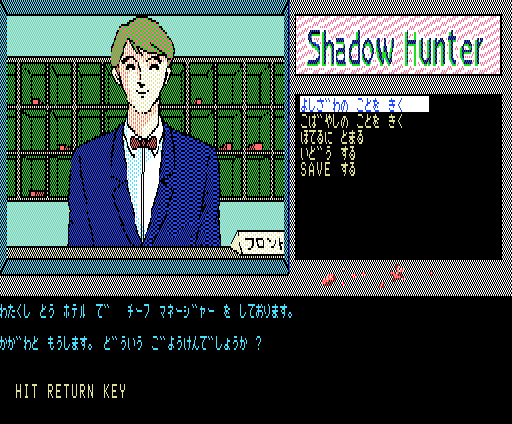
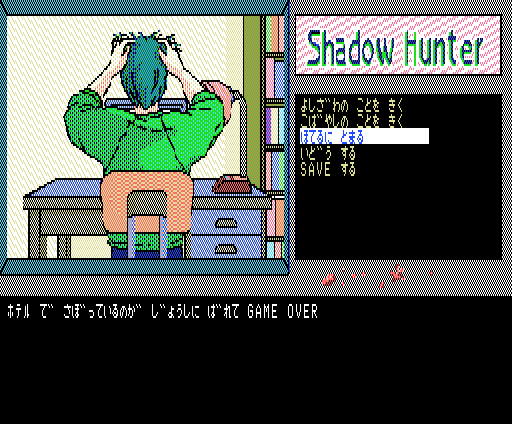
Puzzles are woven seamlessly into the narrative: you’ll piece together scattered notes, decode cryptic threats, and search every corner of the house for hidden evidence. Time is not on your side—linger too long in the hotel lobby or ignore a vital clue and you may trigger one of the many “bad ends.” The sense of urgency heightens every choice, as each misstep can seal your fate long before you crack the case.
Replayability is a key strength. With multiple failure states—ranging from running out of time to overlooking a crucial item—the game rewards meticulous exploration and logical deduction. Each new playthrough encourages you to revisit previous screens, try different dialogue options, and discover hidden branches in the storyline. Shadow Hunter challenges your detective instincts at every turn, ensuring that no two investigations feel exactly alike.
Graphics
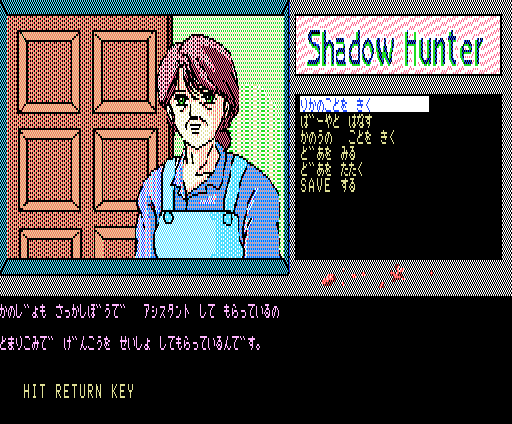
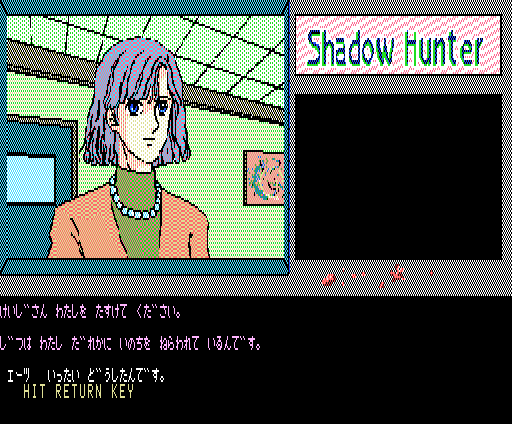
Visually, Shadow Hunter channels the look of early ’90s Japanese adventure titles. The static backdrop of Yoshizawa’s residence is rendered in moody, hand-painted pixel art, with subtle shading that evokes the gloom of a crime scene. Character portraits appear when you engage in dialogue, capturing expressions of fear, suspicion, and desperation in striking detail.
The user interface is kept deliberately minimal. A large central window displays the environment, while a text box at the bottom delivers narrative and dialogue. To the right, a column of context-sensitive action icons replaces the usual verb list, keeping the screen uncluttered and focused on the visuals. This design choice emphasizes immersion, allowing you to appreciate the artwork without distraction.
Environmental details—like a flickering hallway lamp, scattered papers on a desk, or a slightly ajar wardrobe door—are meticulously crafted to reward close observation. Although the animation is limited to simple transitions and occasional character portraits, the careful use of lighting and color creates an atmosphere thick with tension. This visual restraint actually amplifies the dread, making every discovery feel significant.
Story
At the heart of Shadow Hunter is a chilling premise: Yoshizawa, a celebrated writer, has been the target of disturbing threats from an unknown madman. You assume the role of a police investigator called to her secluded home. The tension ratchets up quickly when the housekeeper reveals that Rika—Yoshizawa’s assistant and niece—hasn’t emerged from her room in over a day. Breaking down the door, you stumble upon Rika’s lifeless body, and suddenly the investigation becomes a race against time.
The narrative unfolds through a series of discoveries—cryptic letters, ominous phone calls, and recounted memories from frightened staff members. Dialogue is sharp and natural, evoking the style of a crime novel more than a typical adventure game. As you dig deeper, you begin to sense that the madman’s motives may be tied to Yoshizawa’s own writings, blurring the line between fiction and reality.
Shadow Hunter doesn’t shy away from dark twists. Each clue you unearth raises new questions: Who knew Rika’s whereabouts? What secrets hide in Yoshizawa’s manuscripts? The story branches toward multiple outcomes, many of which end in calamity if you misinterpret evidence or take too long to act. This high-stakes structure keeps the plot taut and your pulse racing until the final confrontation with the unseen killer.
Overall Experience
Shadow Hunter delivers a gripping blend of detective work, atmospheric visuals, and high-stakes storytelling. Fans of retro Japanese adventures will appreciate the nod to classics like Déjà Vu, while newcomers will find the context-sensitive action system refreshingly intuitive. Although the frequent bad ends can be punishing, they also add to the tension, ensuring that each decision feels weighty and consequential.
The game’s deliberate pacing means you’ll need patience and careful observation. At times you may feel stalled if you overlook a small clue, but that sense of discovery—when you finally piece together a vital piece of evidence—is immensely rewarding. The strong character writing and claustrophobic setting work in tandem to immerse you fully in Yoshizawa’s perilous world.
Shadow Hunter is not for casual players seeking a low-pressure adventure. It demands attention, logical reasoning, and a willingness to learn from failure. But for those who relish a well-crafted mystery, it offers a deeply satisfying experience: a tense investigation, a haunting atmosphere, and a story that lingers long after the credits roll. Prepare to don your detective hat and confront the darkness lurking behind every locked door.



Reviews
There are no reviews yet.