 Retro Replay Retro Replay gaming reviews, news, emulation, geek stuff and more!
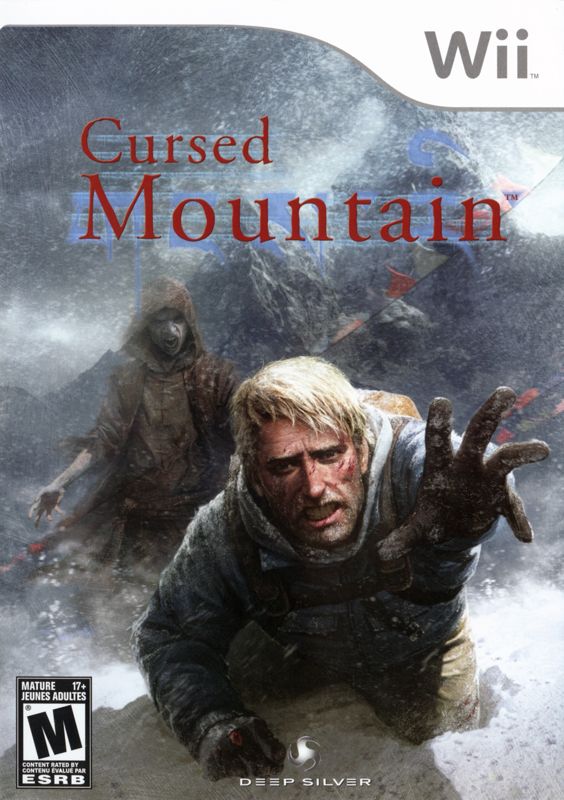
Retro Replay Review
Gameplay
Cursed Mountain delivers a deliberate, tension-filled pacing that emphasizes exploration over constant combat. As Eric Simmons, players must comb through abandoned villages and ice-swept slopes of Chomolonzo for clues, using only a pickaxe and the unique “third eye” ability to uncover hidden seals and banish malevolent spirits. This blend of investigation and survival horror creates a steady sense of dread, as each new area holds potential traps and sudden phantom encounters.
(HEY YOU!! We hope you enjoy! We try not to run ads. So basically, this is a very expensive hobby running this site. Please consider joining us for updates, forums, and more. Network w/ us to make some cash or friends while retro gaming, and you can win some free retro games for posting. Okay, carry on 👍)
The Wii Remote and Nunchuk integration brings an immersive layer to the experience. Gesturing upward mimics climbing motions, allowing Eric to scale icy walls, while a swift downward flick lets him drive his pickaxe into stone or halt a perilous fall. Combat is equally engaging: you swing the Remote to weaken ghosts, then activate the third eye to reveal their glowing weak spots and finish them off. These physical controls heighten immersion but can sometimes feel imprecise during the heat of battle.
Progression comes through upgrading the pickaxe and expanding third-eye capabilities, which in turn unlock more challenging seals and deeper mountain paths. Finding resourceful ways to combine climbing, combat, and supernatural sight keeps the core gameplay loop rewarding. However, some players may find backtracking across similar snowy terrains repetitive, though the incremental upgrades and steady tension help maintain momentum throughout the roughly 10–12 hour journey.
Graphics
Visually, Cursed Mountain captures the stark beauty and brutal chill of the Himalayas. Snowdrifts and jagged rock faces evoke a sense of isolation, while dynamic weather effects—blizzards that swirl snow across the screen and gusts that obscure visibility—enhance the foreboding atmosphere. Although the Wii’s hardware limits texture detail, clever lighting and atmospheric fog mask most rough edges, selling the sense of a haunted mountain range.
Character models and ghost designs lean toward the grotesque, with rot-tinged corpses and shimmering apparitions that flicker in and out of view. These spectral enemies demonstrate surprisingly fluid animations, making each encounter feel unsettling and unpredictable. The visual contrast between harsh, dormant villages and ethereal spirit realms underscores the supernatural undercurrent of the story.
Environmental storytelling is strong: weathered prayer flags flutter in the wind, collapsed huts reveal clues to past tragedies, and distant shrines glimmer with ancient seals waiting to be broken. While draw-in occasionally occurs on expansive vistas, the overall presentation remains consistent, delivering a moody backdrop that reinforces the game’s horror themes.
Story
The narrative driving Cursed Mountain is simple yet effective: Eric Simmons heads to the Himalayan village of Lhando searching for his missing brother, Frank, only to find the town deserted and littered with decaying bodies. The unanswered questions—Who or what drove the villagers away? What supernatural forces lurk on Chomolonzo?—keep players invested in uncovering each grim secret.
Story beats unfold gradually through environmental clues, journal entries, and monastic teachings that introduce the third eye and its mystical origins. Conversations with spectral monks add a subtle layer of philosophical reflection on life, death, and redemption. Though character development focuses primarily on Eric’s determination and occasional flashbacks, secondary figures remain enigmatic, enhancing the sense of mystery rather than detracting from it.
By the time the plot reaches its crescendo amid blinding snowstorms and collapsing ice caverns, the game has woven a tight narrative tapestry. It balances moments of quiet dread—whispered voices echoing through abandoned corridors—with sudden bouts of intense phantom assaults. The result is a hauntingly memorable story that, while not revolutionary, stands out for its atmospheric delivery and emotional resonance.
Overall Experience
Cursed Mountain offers a distinct flavor of survival horror that rewards patience and attentiveness. Its deliberate pacing and methodical exploration may not appeal to those craving constant action, but for fans of atmospheric tension and methodical puzzle–combat hybrids, it provides a deeply immersive journey. The Wii’s motion controls add a tactile thrill, even if they occasionally falter in responsiveness.
Replay value emerges in the form of hidden seals, alternate ghost encounters, and the satisfaction of mastering third-eye challenges. While the story wraps up in a single playthrough, uncovering every secret and achieving full weapon upgrades invites additional exploration. The game’s length strikes a good balance—not too brief to feel unsatisfying, yet not overstaying its welcome.
Ultimately, Cursed Mountain stands out on the Wii as one of the platform’s more mature, horror-driven experiences. It may stumble in control precision or occasional visual pop-ins, but its chilling atmosphere, inventive use of motion input, and haunting narrative make it a worthwhile pick for those seeking an unconventional, spine-tingling adventure in the shadow of the world’s deadliest peaks.


Reviews
There are no reviews yet.