 Retro Replay Retro Replay gaming reviews, news, emulation, geek stuff and more!
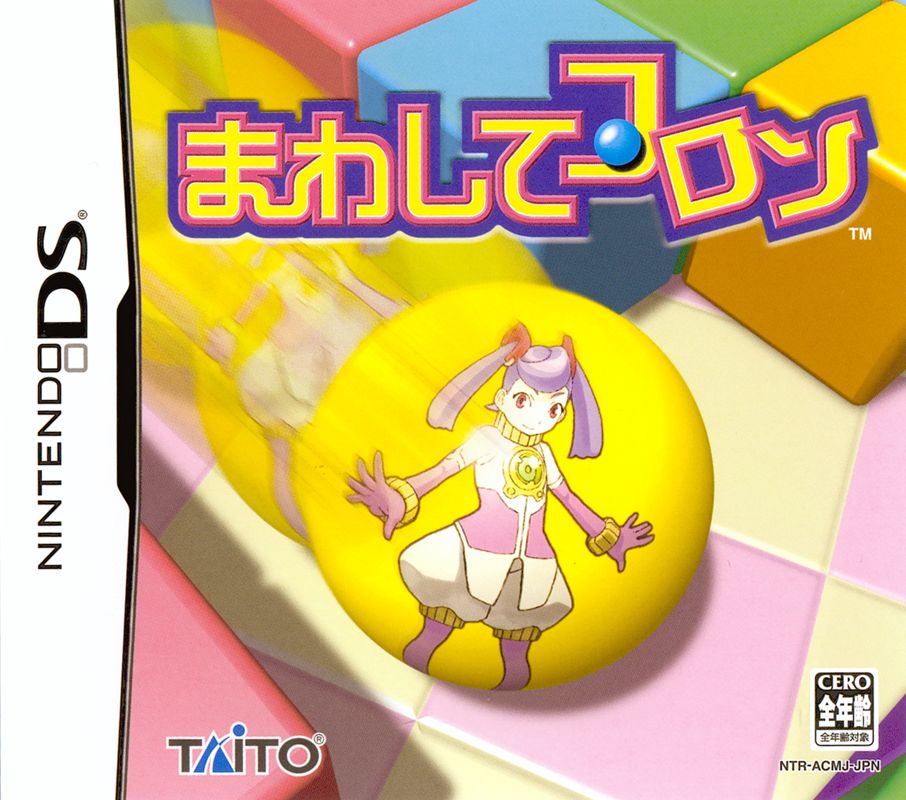
Retro Replay Review
Gameplay
Labyrinth tasks players with guiding a ball through a series of increasingly complex mazes by rotating the entire playfield. The core mechanic is elegantly simple: gravity always pulls the ball toward the bottom of the screen, so every tilt or twist of the stage must be carefully planned to avoid letting the ball fall into traps or off the course. This design leads to a blend of real-time reaction and spatial reasoning, with each level offering new obstacles—moving platforms, breakable blocks, and timed switches—that force you to think two steps ahead.
(HEY YOU!! We hope you enjoy! We try not to run ads. So basically, this is a very expensive hobby running this site. Please consider joining us for updates, forums, and more. Network w/ us to make some cash or friends while retro gaming, and you can win some free retro games for posting. Okay, carry on 👍)
Controls are versatile and responsive, giving you two distinct ways to manipulate the maze. The L and R shoulder buttons allow for quick, incremental rotations, perfect for precise adjustments when navigating narrow corridors. Alternatively, you can use the stylus on the touch screen to spin the entire map fluidly, which excels during high-speed sections where smooth motion is key. Both methods feel polished, though some players may prefer the tactile feedback of buttons over the freeform stylus approach.
Beyond basic movement, Labyrinth spices up its puzzles with customization and power-ups. You can alter the ball’s weight, material, and color, each choice subtly affecting momentum and collision physics—heavier balls plow through hazards but are slower to accelerate, while lighter ones zip around but risk bouncing unpredictably. A special “lightning” ability lets you encase your ball in an electric field, shattering select blocks and forging new paths. This mix of personalization and temporary powers keeps the gameplay fresh from start to finish.
Graphics
On the small handheld screen, Labyrinth’s visuals strike a fine balance between clarity and style. The top screen displays the unfolding maze in crisp, colorful detail, ensuring every floor tile, spike, and switch is clearly visible even in the most frenetic moments. Textures are simple but effective, with distinct color-coding that helps you instantly recognize dangerous surfaces versus breakable blocks.
Animation is smooth throughout, from the ball’s subtle rolling motion to the dazzling chain of sparks when the lightning power-up activates. Particle effects—like dust clouds as the ball gains speed and shards flying off shattered tiles—add satisfying feedback without ever overwhelming the hardware. The entire presentation feels thoughtfully optimized, with loading times almost imperceptible and frame rates that rarely stutter, even in the busiest levels.
The user interface is minimal yet informative. A compact map in the corner of the lower screen offers an overhead view of the maze, while timers, lap counts, and power-up gauges are neatly tucked away so they’re accessible but never intrusive. Menus are intuitive, letting you toggle between ball customizations, level selections, and multiplayer setup with just a few taps.
Story
Unlike narrative-driven titles, Labyrinth places almost all of its focus on pure puzzle engagement. There’s no sprawling lore or lengthy cutscenes—just a straightforward premise of navigating a ball to the goal line. That simplicity proves refreshing, as it never interrupts the core challenge with unnecessary exposition or dialogue.
However, the game does hint at a playful backstory: you are a participant in a grand intergalactic tournament where contestants from across the universe compete in maze trials. Tiny splash screens at the start of each “world” introduce new hazards and environmental themes—icy floors, volcanic ruins, or futuristic labs—offering a loose sense of progression and context for the shifting challenge.
In multiplayer mode, narrative takes a further backseat: it’s purely about friendly rivalry. Up to four players share a single cartridge and race in parallel mazes, with the first to cross the finish line crowned champion. Though there’s no storyline to drive this mode, the competitive spirit and variable track layouts create memorable moments that feel like impromptu stories of triumph and near misses.
Overall Experience
Labyrinth delivers a compelling package for both solo puzzlers and groups of friends. Its core mechanics are immediately accessible yet offer extraordinary depth as levels grow more devious. The dual control schemes ensure every player can find a style that feels natural, and the array of customizations and power-ups gives a personal touch to each run.
While the minimalist story and repetitive visual motifs may leave some craving a deeper narrative or more varied art direction, the addictive nature of the puzzles and the sense of mastery you gain from learning each course more than make up for these minor shortcomings. Occasional difficulty spikes can frustrate new players, but perseverance is rewarded with a genuine “aha” moment when you finally conquer a tricky segment.
For anyone seeking a handheld game that tests both reflexes and logic, Labyrinth is a must-try. Its finely tuned controls, polished presentation, and the option for multiplayer races ensure long-term replayability. Whether you’re a seasoned puzzle veteran or just looking for a pick-up-and-play challenge, this sequel stands tall and rolls confidently into the winner’s circle.


Reviews
There are no reviews yet.