 Retro Replay Retro Replay gaming reviews, news, emulation, geek stuff and more!
Retro Replay Review
Gameplay
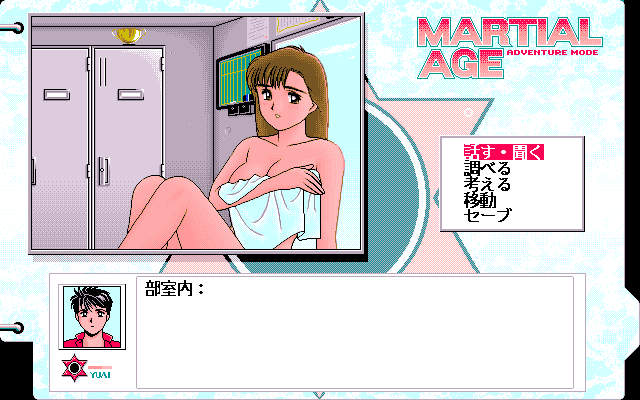
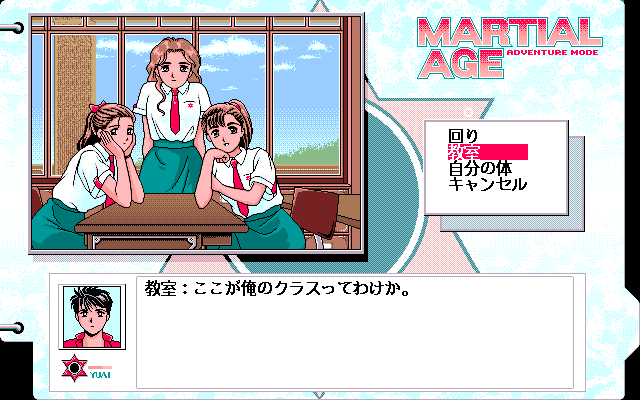
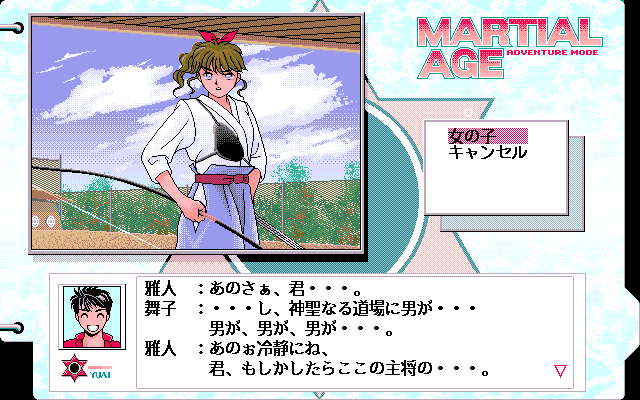
Martial Age presents a classic Japanese-style adventure experience built around a simple but engaging command menu system. Players navigate Masahito through the sprawling grounds of Yuai Girls School by choosing from contextual actions like “Look,” “Talk,” and “Think.” This familiar format makes exploration intuitive, allowing newcomers to adventure games to quickly grasp the mechanics while still offering enough depth for veterans who enjoy uncovering hidden interactions or secret dialogue options.
(HEY YOU!! We hope you enjoy! We try not to run ads. So basically, this is a very expensive hobby running this site. Please consider joining us for updates, forums, and more. Network w/ us to make some cash or friends while retro gaming, and you can win some free retro games for posting. Okay, carry on 👍)
A distinctive feature of the gameplay is the turn-based combat sequences, which diverge from traditional RPG stat battles. Instead of managing hit points or magic meters, you engage in quick mini-games designed to pinpoint each heroine’s “weak spot.” Success in these puzzles leads directly to character-driven reward scenes, blending strategy with risqué outcomes. While these bite-sized challenges keep the action light, they can grow predictable over a longer playthrough.
Repeatedly cycling through comments, questions, and observations can occasionally feel grindy, particularly when you’re trying to interact with a specific girl or unlock her storyline. However, the game balances this by weaving narrative clues into your command choices, subtly guiding you toward new locations or events without resorting to tedious fetch quests. Overall, the gameplay loop—explore, converse, puzzle, and reward—strikes a steady rhythm that matches the game’s leisurely pace.
Graphics
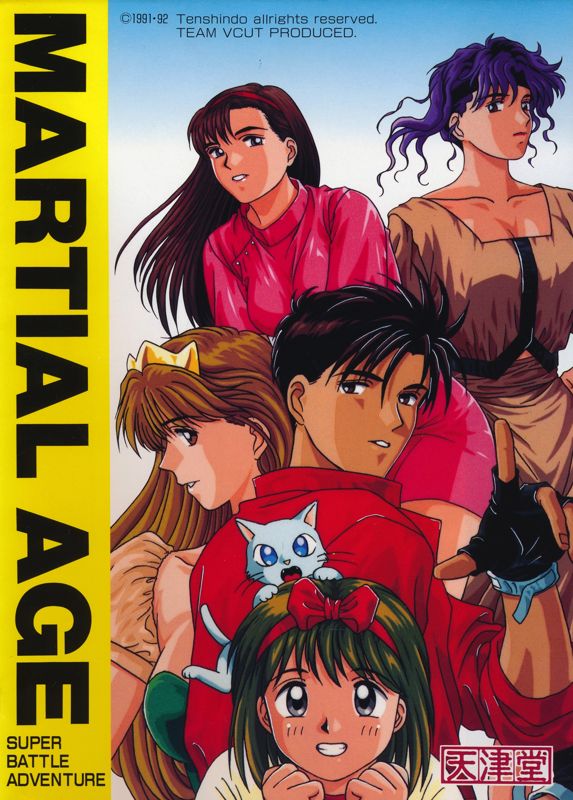
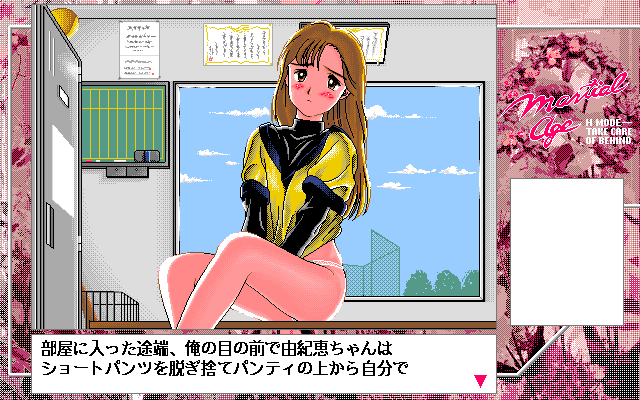
Martial Age employs vibrant, anime-inspired visuals that capture the lighthearted, slightly cheeky tone of its premise. Character portraits are richly detailed with expressive faces and dynamic poses, which really shine during the dialogue sequences. Backgrounds are hand-drawn with a soft color palette, depicting the school’s hallways, courtyards, and classrooms with a warm, welcoming atmosphere.
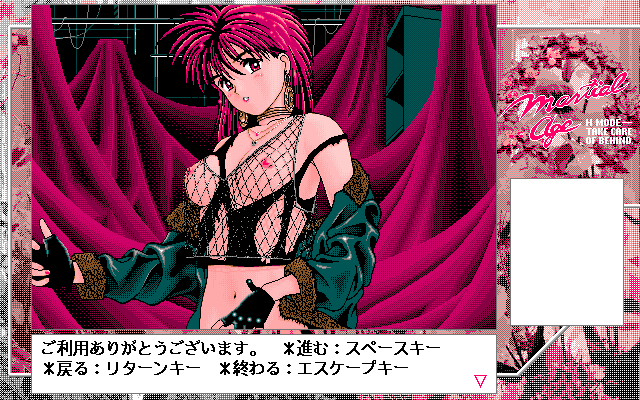
During combat mini-games, the presentation shifts to close-up illustrations that emphasize the flusters and reactions of Masahito’s opponents. These scenes are animated sparingly but effectively, using simple transitions to highlight critical hits or failed guesses. While the lack of full-motion animation might disappoint fans expecting flashy battle sequences, the evocative stills and well-timed visual cues maintain a sense of excitement.
One area where the graphics occasionally falter is in repeated asset usage: certain menu layouts and background elements can feel reused after several hours, reducing the novelty value. Nevertheless, the character art remains consistently appealing, and small touches—like animated cherry blossoms drifting through the courtyard—help maintain immersion. Fans of 2D anime aesthetics will find plenty to admire here.
Story
The narrative centers on Masahito, a rebellious teen whose passion for martial arts is rivaled only by his pursuit of romance. After a falling out with his father, he stumbles into Yuai Girls School and—much to everyone’s surprise—becomes its sole male pupil. From there, the story unfolds as a series of episodic encounters in which Masahito strives to win the affection of various classmates under the watchful eye of Principal Keiko Yashima.
Although the overarching plot is straightforward, each heroine brings a unique backstory and personality to the table, ranging from the shy bookworm to the fiery athlete. Dialogue choices and observational commands reveal glimpses of their motivations and insecurities, giving emotional weight to what could otherwise be shallow flirtations. The game doesn’t shy away from humor, often playing Masahito’s antics for laughs, yet it also delivers moments of genuine warmth when a character opens up about her past.
Some players may find the story’s pacing uneven: early chapters focus heavily on comedic setup, while later segments dive deeper into personal drama. This tonal shift can be refreshing, though it might catch those expecting nonstop fanservice off-guard. Ultimately, Martial Age balances lighthearted harem tropes with enough character development to keep you invested in Masahito’s quest for both martial prowess and romantic conquest.
Overall Experience
Martial Age is best suited for players who enjoy character-driven adventures with an adult edge. Its blend of exploration, mini-game combat, and branching dialogue offers a varied experience that rarely feels monotonous—provided you’re comfortable with the erotic undercurrents. The game’s moderate length ensures you’ll see most storylines in one playthrough, but its multiple endings encourage replay if you’re keen on unlocking every romantic route.
The lack of numerical stats and inventory micromanagement makes Martial Age accessible to a wide audience, though veterans of complex RPGs might miss deeper customization or gear upgrades. What the game lacks in mechanical complexity, it more than makes up for in personality: each location brims with life, and the cast’s chemistry is consistently entertaining. If you appreciate storytelling through interaction rather than cutscenes, you’ll find its style rewarding.
In summary, Martial Age delivers a playful adventure that marries classic menu-based exploration with charming anime visuals and flirtatious mini-games. While it may not redefine the genre, it polishedly executes its core concepts, making it a solid pick for fans of Japanese-style romance adventures. If you’re looking for a light, engaging romp with a dash of martial arts flair, Masahito’s world is ready to welcome you—just don’t expect hardcore combat or a deep stat-driven progression system.


Reviews
There are no reviews yet.