 Retro Replay Retro Replay gaming reviews, news, emulation, geek stuff and more!
Retro Replay Review
Gameplay
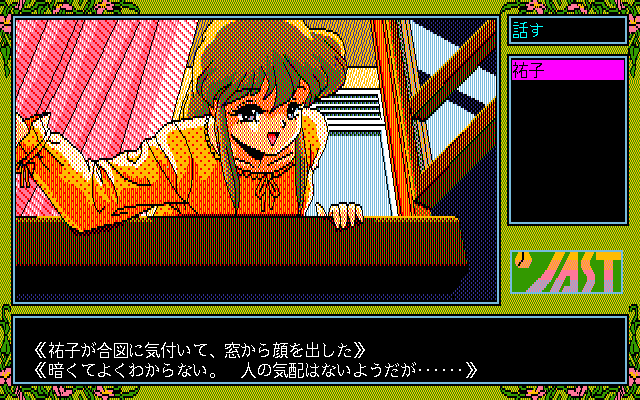
Tenshitachi no Gogo IV: Yūko follows the classic structure of a traditional Japanese adventure game, relying on menu-driven interactions rather than elaborate puzzles. As a substitute teacher at the strict St. Sophia Catholic girls’ school, players navigate through verb commands—“Look,” “Talk,” “Use,” and so on—and cycle through sub-menus of inventory items or NPCs to interact with. Progression hinges on exhausting every dialogue option and examining key objects until the story naturally unfolds.
(HEY YOU!! We hope you enjoy! We try not to run ads. So basically, this is a very expensive hobby running this site. Please consider joining us for updates, forums, and more. Network w/ us to make some cash or friends while retro gaming, and you can win some free retro games for posting. Okay, carry on 👍)
Decisions carry weight in this installment. While most commands simply advance the narrative, certain choices steer the plot toward branching paths that can lead to shocking Game Over scenarios. The sense of consequence is heightened by the game’s emphasis on moral ambiguity: does the protagonist uphold Christian virtues, or does he succumb to the darker impulses that stir after midnight? Players must think carefully before acting, as wrong moves can abruptly end the session.
The pacing is deliberate, with long dialogue sequences punctuated by moments of tension when the clock strikes twelve. At every turn, the supernatural rumors surrounding the school’s midnight transformation keep the player on edge. Although there are no timed button-mashing sequences or reflex-based challenges, the game compensates with its intricate decision tree, rewarding curious minds who probe every nook of St. Sophia.
Replayability is built into the design: multiple endings beckon those willing to explore alternate dialogue choices and hidden event flags. While some may find the methodical command selection a throwback to older adventure titles, fans of narrative-driven experiences will appreciate how each interaction shapes Yūko’s fate and the ultimate destiny of the school.
Graphics
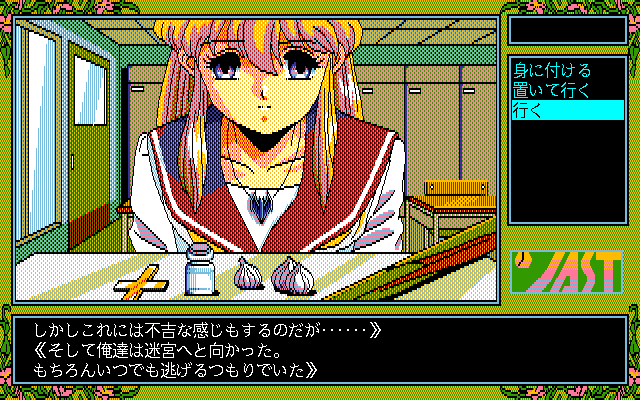
Tenshitachi no Gogo IV: Yūko showcases hand-drawn 2D backgrounds that evoke the austere corridors and stained-glass windows of a traditional European-style convent. The attention to architectural detail—stone archways, wooden pews, and flickering candlelight—immerses players in the venerable atmosphere of St. Sophia. These static scenes serve as perfect stages for the unfolding drama.
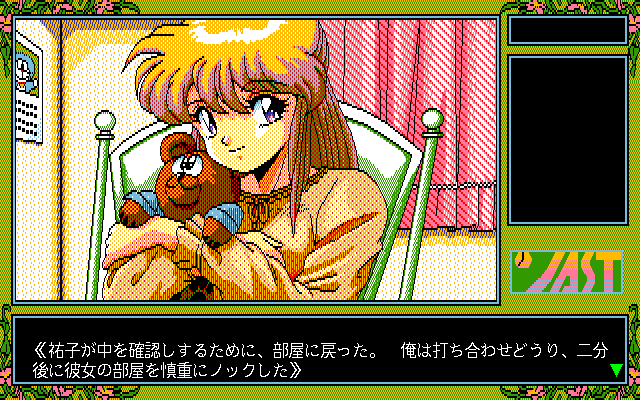
Character sprites maintain the series’ signature anime aesthetic, blending softer shading for daytime sequences with sharper contrasts when the school’s more sinister side emerges after midnight. Facial expressions subtly shift to convey shock, curiosity, or fear, helping to portray the emotional stakes behind each dialogue choice. Even minor NPCs receive unique designs, reinforcing the sense that every student and staff member has a distinct personality.
Lighting effects play a pivotal role in heightening suspense. As the clock ticks toward midnight, corridors that once felt safe and orderly take on an ominous hue. Dimly lit hallways and the occasional flicker of a broken lamp add texture to the scenes, signaling to the player that something unsettling lurks beyond each door.
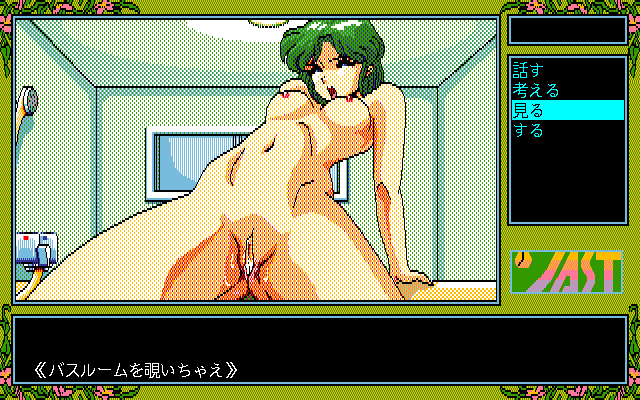
While resolution and art style may feel nostalgic by modern standards, the game’s visuals excel in creating a moody, cohesive world. Text boxes and menus are unobtrusive, ensuring that the artwork remains the focal point. For enthusiasts of classic Japanese visuals, Tenshitachi no Gogo IV delivers a refined, painterly presentation that still captivates.
Story
The narrative of Tenshitachi no Gogo IV: Yūko revolves around the protagonist’s three-month stint as a substitute teacher at St. Sophia. Initially drawn by the school’s reputation for strict discipline and devout Christian values, he soon learns of whispers about a mysterious transformation that befalls the institution after midnight. This hook drives the story forward, creating an undercurrent of tension in every classroom and chapel visit.
The writing deftly balances everyday school life—lesson planning, hallway conversations, and friendly student-teacher banter—with unsettling supernatural undertones. Early scenes feel comfortably routine, lulling the player into a false sense of security before darker elements emerge. When rumors of midnight rites and hidden rituals surface, the game skillfully ratchets up the suspense, forcing the protagonist to question his own beliefs.
Central to the plot is Yūko herself, a student whose dual nature embodies the game’s themes of innocence and corruption. Their evolving relationship—fueled by trust, moral conflict, and clandestine encounters—forms the emotional core of the narrative. Branching storylines reveal different facets of both characters, from moments of genuine warmth to shocking betrayals that test the limits of Christian ethics.
The story’s pacing allows for meaningful character development. As players piece together cryptic clues and decipher hidden subplots, they gain a deeper understanding of St. Sophia’s history and the source of its after-dark metamorphosis. The result is a richly layered tale that invites multiple playthroughs to fully uncover every secret.
Overall Experience
Tenshitachi no Gogo IV: Yūko is an atmospheric journey into the heart of a school steeped in faith, secrecy, and supernatural intrigue. Its methodical gameplay may not appeal to action-oriented gamers, but for those who savor narrative complexity and moral ambiguity, it offers a compelling experience. The deliberately measured pace fosters tension, keeping players invested in every subtle conversation.
The blend of evocative 2D art, carefully crafted score, and voice snippets (where supported) enhances the sense of immersion. Even long stretches of dialogue are enlivened by background music that shifts from serene hymns to dissonant chords, mirroring the school’s descent into the uncanny after nightfall. User interface elements remain clean and intuitive, allowing the story to take precedence.
Although rooted in a series that dates back decades, Tenshitachi no Gogo IV feels accessible to newcomers due to its fresh narrative and self-contained plot. However, longtime fans will appreciate the familiar mechanics and subtle callbacks to earlier titles. The multiple endings system ensures that each decision resonates, rewarding players who explore every narrative branch.
In sum, Tenshitachi no Gogo IV: Yūko is a standout title for aficionados of story-driven adventures with a dark edge. Its combination of moral choices, supernatural suspense, and richly drawn characters makes it a memorable journey into the hidden world of St. Sophia. Potential buyers seeking a thought-provoking, uniquely Japanese adventure will find much to love here.


Reviews
There are no reviews yet.