 Retro Replay Retro Replay gaming reviews, news, emulation, geek stuff and more!
Retro Replay Review
Gameplay
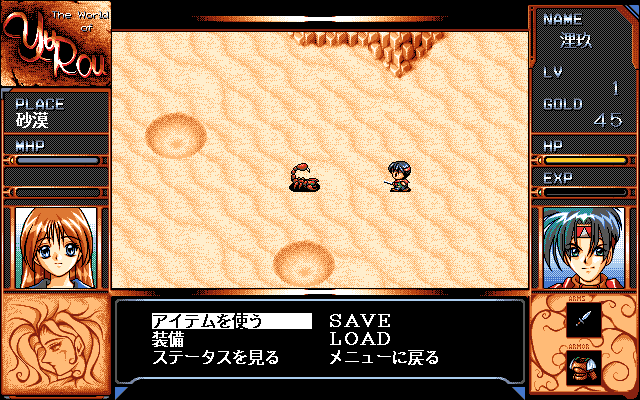
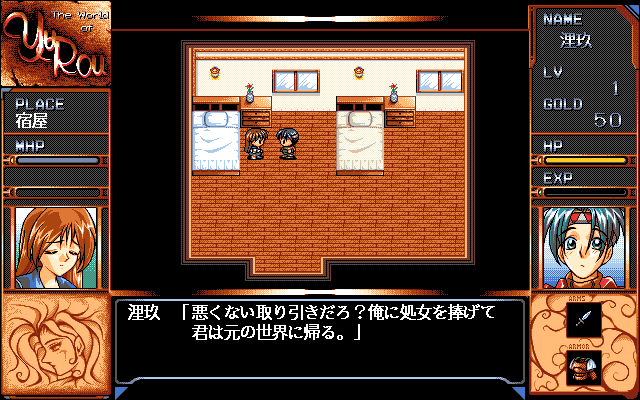
Yūrō: Transient Sands delivers a fast-paced action RPG experience that will feel instantly familiar to fans of classic Ys titles. You control Riku directly, barreling into foes to dispatch them in real time, rather than relying on menu-driven combat. Each successful clash fills up your experience meter, and once it’s full, Riku gains levels that boost health, attack power, and defensive stats. This “bump” mechanic keeps encounters fluid and engaging; there’s a constant risk-reward balance between dealing damage and avoiding enemy strikes.
(HEY YOU!! We hope you enjoy! We try not to run ads. So basically, this is a very expensive hobby running this site. Please consider joining us for updates, forums, and more. Network w/ us to make some cash or friends while retro gaming, and you can win some free retro games for posting. Okay, carry on 👍)
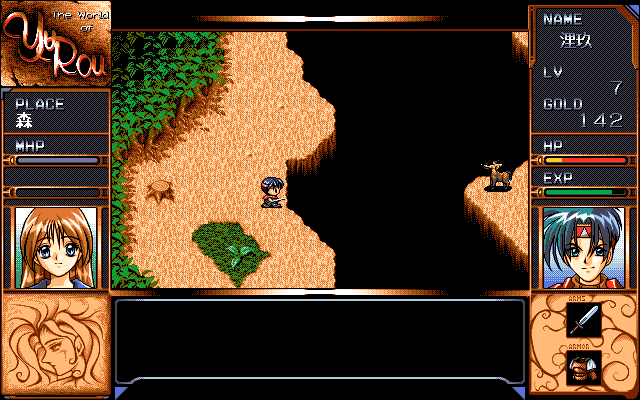
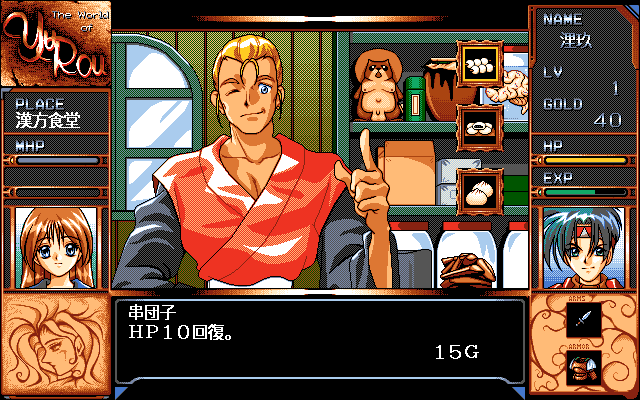
Exploration plays a big role as well. The game world—centered around the harsh expanse of the transient desert—opens up in stages, revealing hidden oases, bandit camps, and enemy strongholds. Outside of battle, you’ll return to Yūrō’s central town hub to trade in your spoils for new weapons, armor upgrades, and healing items. Resource management becomes key: do you spend gold on a new sword that boosts your offense, or do you stock up on restorative items to survive deeper desert excursions?
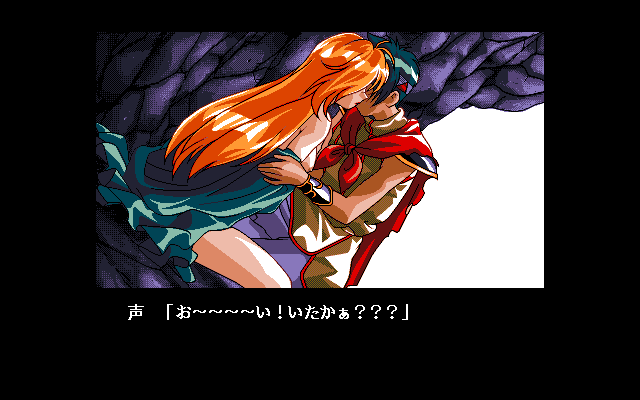
On the mature-content side, the game includes optional explicit scenes featuring Riku and Azusa. These moments are fully animated and voiced, underscoring the adult nature of their relationship. While they aren’t mandatory to progress, they do unlock unique dialogue options and side quests—and may not be suitable for all players. A content filter or warning system would have been welcome, but the option to skip these scenes altogether helps keep the main adventure family-friendly if you choose.
Graphics
The visual design of Yūrō: Transient Sands leans heavily into high-contrast desert palettes: swirling golds and bleached whites give the world a harsh yet vibrant feel. Character models are rendered with care, from the gleaming armor plates on Riku to Azusa’s modern-day school uniform, creating an intriguing contrast that underscores her fish-out-of-water status. NPCs in the town of Yūrō are distinct and well-animated, making every vendor, guard, and bystander feel like a living part of the empire.
Environmental variety is one of the game’s standout features. Beyond the rolling dunes, you’ll stumble upon ancient ruins, underground water caverns, and the lush hidden groves that hint at Varcias’s forgotten magic. Lighting and particle effects—especially during sunny midday heat or the glow of a desert storm—add drama to both exploration and combat. A dynamic day-night cycle further enhances immersion, altering enemy behavior and opening up nightly side quests.
That said, a few texture pop-ins occur when traversing large areas, and some secondary assets—like distant mountain ridges—can appear blurry at certain camera angles. Overall, however, the technical performance holds up well on current hardware, with stable frame rates even during hectic on-screen battles. The user interface is clean and readable, though the inventory screen could use more sorting filters given the number of items you’ll collect.
Story
The narrative kicks off when Riku, a loyal knight of the Yūrō Empire, stumbles across Azusa—a modern Japanese schoolgirl—lying unconscious in the scorching sands. This chance meeting triggers a time-warp mystery: how did a 21st-century teenager end up in a medieval realm? From that moment on, the story weaves together high-stakes political drama, personal discovery, and the budding friendship (and tension) between two characters from vastly different worlds.
As enemy forces tighten their grip on Yūrō, the Empress herself calls upon Riku’s loyalty and skill. Side by side with Azusa—who, despite her initial helplessness, gradually learns to fight using rudimentary magic items—you’ll undertake a series of daring missions: rescue operations, escort quests, and castle infiltrations. Dialogue strikes a good balance between lighthearted banter (highlighting Azusa’s modern quips) and more serious discussions about duty, honor, and home.
While the main plot occasionally dips into familiar fantasy tropes—an ancient prophecy, a looming empire, the lonely hero—character development keeps things fresh. Azusa’s struggle to reconcile her past life with this new fantastical reality adds emotional weight, and Riku’s unwavering sense of responsibility provides a solid anchor. New side chapters unlock as you gain reputation points, shedding light on Varcias’s deeper lore and the true origins of the time warp.
Overall Experience
Yūrō: Transient Sands strikes a satisfying balance between nostalgia and innovation. The sword-clashing combat loop feels both classic and responsive, while the desert setting and time-travel premise give the game its own unique flavor. Exploration never outstays its welcome, and the town hub functions as a proper resting point where you always feel rewarded before heading back into danger.
Although the explicit scenes may divide players—some will appreciate the additional depth to Riku and Azusa’s relationship, while others may find them unnecessary—these sequences remain entirely optional. The core adventure stays accessible to those who wish to focus solely on hack-and-slash action, exploration, and political intrigue. Minor technical hiccups like occasional texture streaming delays do little to detract from the overall polish.
In the end, Yūrō: Transient Sands is an inviting journey for action RPG fans seeking both challenge and charm. With its robust leveling system, memorable duo at its heart, and a beautifully realized desert world that hides more secrets than initially meets the eye, this game is sure to captivate players looking for a blend of classic mechanics and fresh narrative twists.


Reviews
There are no reviews yet.