 Retro Replay Retro Replay gaming reviews, news, emulation, geek stuff and more!



Retro Replay Review
Gameplay
Pachio-kun FX: Maboroshi no Shima Daikessen centers on an arcade-style pachinko simulation that surprises with its depth of strategy. Each session begins by selecting one of several colorful characters—while the core physics and payout rules remain identical, the choice determines which anime-style FMV plays during pivotal moments. Whether you’re unleashing a special “Big Bonus” or triggering one of the game’s more elaborate animations, each character injects personality into otherwise traditional pinball-like action.
(HEY YOU!! We hope you enjoy! We try not to run ads. So basically, this is a very expensive hobby running this site. Please consider joining us for updates, forums, and more. Network w/ us to make some cash or friends while retro gaming, and you can win some free retro games for posting. Okay, carry on 👍)
Progression unfolds through a series of one-on-one “battles” against the island’s seven pachinko masters. In these matches, you don’t just spin metal balls; you engage in tactical warfare. By earning enough points in your parlor runs, you can activate a freezing mechanic that temporarily halts your opponent’s ball, buying precious seconds to rack up combos and rack closer to jackpot thresholds. This layer of direct competition adds a satisfying tension that keeps each encounter fresh.
Beyond the head-to-head duels, you’ll spend substantial time exploring various parlors on Ghost Island itself. Each venue offers distinct layouts, special ball types, and bonus triggers. Careful management of your ball supply and strategic decision-making on when to deploy special points are crucial—neglect either, and you risk running dry before the final showdown. The pacing strikes a fine balance between fast-spinning chaos and deliberate resource planning, making Pachio-kun FX more than a simple digital pachinko table.
Graphics
Visually, Pachio-kun FX leans into vibrant, hand-drawn pixel art for its pachinko machines and island backdrops. The tables themselves shimmer with metallic tones, flashing lights, and dynamic gauges that evoke the sensory overload of a real pachinko parlor. Even on modest hardware, the game maintains a smooth frame rate, ensuring every ball drop and light-up moment feels crisp and immediate.
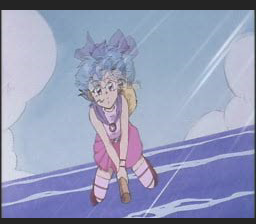
The real graphical highlights are undoubtedly the anime FMV sequences. Each character boasts unique animations—complete with expressive poses, dynamic camera cuts, and jingles that play up the drama of a “Big Bonus” or a critical freeze attack. Although these videos are relatively short, they inject personality and narrative context, transforming routine ball-spinning into mini storytelling spectacles.
Backgrounds and interface elements complement the action with thematic consistency. Ghost Island’s haunting landscapes—fog-shrouded beaches, ancient shrines, and moonlit docks—provide a playful contrast to the shiny machines. Menus and scoreboards are laid out clearly, with bright icons and legible text, ensuring you spend more time playing and less time deciphering on-screen prompts.
Story
At its core, the narrative of Pachio-kun FX is delightfully light-hearted: the mischievous pachinko mascot Pachio-kun has summoned the world’s best players to Ghost Island for the ultimate pachinko tournament. As you traverse the island’s haunted locales, you uncover snippets of each master’s backstory—some are shrine priests turned pinball legends, others are rival mascots with their own quirky motivations.
While the storyline never overtakes the gameplay, it provides enough context to keep progression feeling meaningful. Unlocking each master reveals a new FMV that teases their pachinko philosophy, personal stakes, or hidden techniques. These vignettes are short but memorable, lending each boss battle a touch of narrative weight and emotional investment.
The setting itself—an island rumored to be home to phantom pachinko balls and ghostly trick shots—adds a fun supernatural twist. Ambient sound effects, from distant thunder to creaking wooden floors, bolster the theme without becoming intrusive. In the end, the story functions as a charming framing device that elevates what could have been a purely mechanical simulation into a whimsical adventure.
Overall Experience
Pachio-kun FX: Maboroshi no Shima Daikessen offers a surprisingly robust package for fans of pachinko and quirky Japanese arcade titles. Its blend of strategic resource management, competitive freeze mechanics, and charming FMV interludes ensures that each play session remains engaging. Even seasoned pachinko veterans will find themselves recalibrating tactics to outwit the island’s masters.
The game’s presentation is a standout, marrying colorful pixel work with slick anime sequences. While it may not rival modern 3D extravaganzas, its art style exudes warmth and personality. The soundtrack—an upbeat mix of electronic jingles and ghost-themed melodies—keeps the energy high without overstaying its welcome.
Ultimately, Pachio-kun FX delivers a unique niche experience. It’s approachable enough for newcomers curious about pachinko’s digital translation, yet deep enough to reward careful play and experimentation. If you’re seeking an arcade title that combines whimsical charm, tournament-driven progression, and tactical variety, Ghost Island awaits—with Pachio-kun ready to challenge your finest pinball instincts.


Reviews
There are no reviews yet.