 Retro Replay Retro Replay gaming reviews, news, emulation, geek stuff and more!
Retro Replay Review
Gameplay
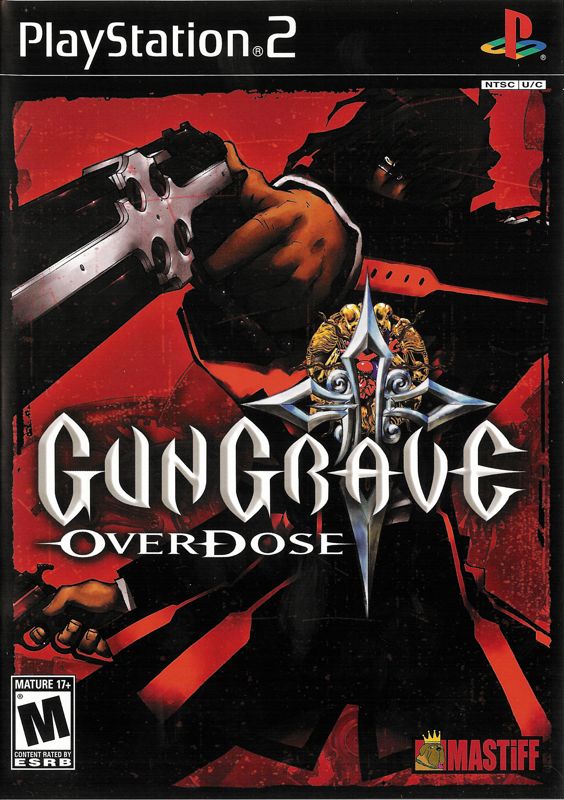
Gungrave: Overdose picks up the relentless pace established by its predecessor, delivering a nonstop barrage of enemies that refuse to give the player a moment’s respite. From the moment Grave kicks off his coffin-shaped spread gun, you’re thrust into wave after wave of Corsione family lackeys, mutated monsters, and SEED-fueled abominations. The core shooting mechanics remain pure and satisfying: aim, unload, dodge, and repeat.
(HEY YOU!! We hope you enjoy! We try not to run ads. So basically, this is a very expensive hobby running this site. Please consider joining us for updates, forums, and more. Network w/ us to make some cash or friends while retro gaming, and you can win some free retro games for posting. Okay, carry on 👍)
One of the most welcome additions in Overdose is the increased variety of playable characters. Alongside Grave’s heavy-hitting arsenal and iconic coffin-barrel shotgun, newcomers Juji and Billy introduce fresh playstyles. Juji’s mix of short-range automatic pistols and swift sword strikes lets players weave between melee and ranged combat, while Billy’s guitar-mounted shocks pack a punch that sends enemies flying in electric arcs. These new skill sets encourage replaying levels to experiment with different strategies.
The level design capitalizes on destructible environments, turning once-sturdy warehouses and cityscapes into crumbling backdrops mid-battle. Explosive barrels, breakable walls, and collapsing platforms all factor into both offense and defense. Savvy players can lure foes into traps or create new pathways by shooting through weak structures, adding an extra layer of tactical depth to the over-the-top action.
Gungrave: Overdose also ramps up its difficulty curve in comparison to the original. Boss encounters demand more than just trigger discipline; you’ll need to master the dodge-roll, time your special attacks, and switch between characters on the fly. Unlockable score challenges and hidden paths further boost the game’s replay value, ensuring that even veterans of the first outing find new wrinkles to explore.
Graphics
Visually, Gungrave: Overdose embraces a bold, anime-inspired art style that sets it apart from many early 2000s shooters. Character designs by Yasuhiro Nightow and Kosuke Fujishima bring a unique flair to the roster: Grave’s flowing trench coat and oversized coffin weapon, Juji’s sleek katana, and Billy’s rock-star aesthetic are all rendered with sharp lines and attention to silhouette.
While the palette sometimes leans heavily on dark reds and grays—mirroring the game’s gritty underworld—the lighting effects are surprisingly dynamic. Muzzle flashes, electric guitar blasts, and SEED-fueled energy glows pop against the shadowed stages. The draw distance holds up well for a budget-priced PlayStation 2 title, keeping far-off enemies and set pieces crisp even when the action becomes chaotic.
Environmental variety is another high point. Players traverse rain-soaked Japanese alleyways, neon-lit nightclubs, and abandoned laboratories filled with twisted machinery. Each locale features destructible elements that don’t just look cool when they explode—they can change the flow of combat. Shattered glass, busted crates, and toppled pillars all contribute to a living, breathing world in turmoil.
Character animations maintain a fluidity that highlights every gun spin, sword slash, and guitar strum. Even secondary enemies have distinct movement patterns, making it easier to prioritize targets when overwhelmed. Though textures may show their age, the overall presentation remains stylish and coherent, ensuring that the visuals complement the breakneck gameplay without becoming a distraction.
Story
Set three years after the original game’s climactic showdown, Overdose picks up the narrative thread with the Corsione family doubling down on their ambitions. SEED, a dangerous drug that zombifies its users and breeds grotesque bio-engineered creatures, has begun infecting the city from the inside out. It’s up to Grave—revived and unkillable—as well as returning ally Spike and new character Mika to follow the trail of SEED and extinguish the Corsione threat once and for all.
The storyline unfolds primarily through comic-style cutscenes and sparse in-game dialogue, perfectly matching the manic pace of the action. Though the plot occasionally leans on familiar revenge tropes, it’s elevated by sharp writing and pulpy flair. Each character’s backstory is hinted at through conversations before key levels, fostering a sense of camaraderie and stakes that keep you invested in their fight.
Voice acting enhances the anime atmosphere, with gravelly tones for Grave and spirited deliveries for Juji and Billy. Even minor NPCs receive distinct voices, ensuring that every announcement, taunt, or quip adds personality rather than feeling like recycled filler. Tsuneo Imahori’s soundtrack underscores the drama admirably, shifting from heavy guitar riffs in combat to moody melodies in narrative moments.
While the campaign can be completed in a single sitting for experienced players, optional objectives and hidden items encourage thorough exploration. Finding every secret room and defeating every hidden boss grants additional lore snippets, fleshing out the world of Gungrave beyond its core revenge narrative and rewarding completionists with richer context.
Overall Experience
Gungrave: Overdose strikes a fine balance between value and spectacle. Released as a budget-priced title by Mastiff, it doesn’t skimp on content—offering upward of 10 intense stages, multiple playable heroes, and an array of unlockables. Whether you’re new to the franchise or a die-hard Gungrave fan, the game delivers more bang for your buck than many full-priced releases.
The combination of relentless combat, stylized visuals, and high-energy soundtrack keeps the adrenaline pumping from start to finish. There’s a gratifying loop to the gameplay: clear a wave of enemies, unleash a massive special attack, watch the environment shatter, and charge into the next room. This rhythm never grows stale, thanks to creative level design and the constant introduction of new enemy types and hazards.
Several technical aspects—such as occasional frame rate dips during the most chaotic sequences—remind you that this is a budget sequel on aging hardware. However, these moments rarely detract from the core fun. If you prioritize pure, unadulterated action over hyper-realistic graphics or sprawling open worlds, Overdose hits all the right notes.
In the end, Gungrave: Overdose serves as a testament to how compelling design and style can elevate a budget project into memorable territory. With its over-the-top set pieces, charismatic characters, and signature anime flair, this sequel is a must-play for anyone seeking fast-paced, gun-blazing entertainment on the PlayStation 2.


Reviews
There are no reviews yet.