 Retro Replay Retro Replay gaming reviews, news, emulation, geek stuff and more!




Retro Replay Review
Gameplay
Indigo Prophecy delivers a unique blend of adventure exploration and intense action sequences that keeps players constantly engaged. Most of the game unfolds through traditional point-and-click navigation, where protagonists Lucas Kane, Carla Valenti, and Tyler Miles explore detailed environments, collect evidence, and engage in branching dialogue trees. This structure gives a strong sense of agency, allowing you to piece together clues and shape interactions with NPCs.
(HEY YOU!! We hope you enjoy! We try not to run ads. So basically, this is a very expensive hobby running this site. Please consider joining us for updates, forums, and more. Network w/ us to make some cash or friends while retro gaming, and you can win some free retro games for posting. Okay, carry on 👍)
Where the game truly stands out is in its realistic interaction mechanics. Simple tasks—like cleaning blood off the floor or prying open a locked door—require you to mimic real-world motions with your mouse or analog stick. These moments add tactile immersion, though they can occasionally feel finicky and repetitive if you’re not used to the control scheme. The emphasis on realism underlines the story’s tension: every task you perform connects you closer to the characters’ desperation and urgency.
Action-oriented quick time events are frequent and often high-stakes. Whether you’re running from pursuing officers as Lucas or defusing a dangerous situation as one of the detectives, you must react swiftly and accurately. Failure doesn’t mean an immediate game over; instead, it can branch the narrative in unpredictable ways, sometimes leading to darker outcomes. This branching structure fuels replayability, encouraging multiple playthroughs to witness all three possible endings.
Dialogue choices are also time-sensitive, placing you under pressure to choose the best response before your character blurts out something embarrassing or incriminating. While some fans find the timed dialogue stressful, it heightens the sense of realism—your characters are flawed and impulsive, just like real people under duress. Overall, the gameplay strikes a fine balance between detective work, moral quandaries, and heart-pounding action.
Graphics
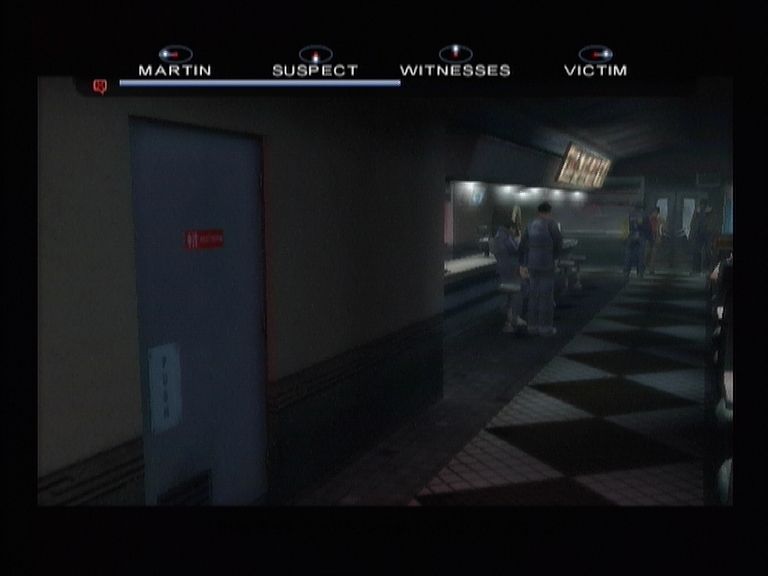
Released in early 2005 (and later ported to consoles), Indigo Prophecy’s graphics remain impressive for its era. Environments—from grimy New York diners to snow-crusted alleys—are rendered with meticulous detail and moody lighting. The snowy weather effects and dynamic shadows contribute to the game’s chilling atmosphere, making every scene feel like a frame from a psychological noir film.
Character models showcase a wide range of facial animations and body language, reflecting the protagonists’ fear, confusion, and determination. Though textures aren’t quite up to modern standards, the expressions and voice acting compensate by selling each emotional beat. Subtle touches—like visible breath in the cold or beads of sweat under stress—enhance immersion and remind you that this is a gritty, grounded thriller.
The game’s cinematic presentation makes heavy use of split-screen during high-tension moments. One half of the screen might show Lucas frantically cleaning a crime scene, while the other displays the detectives closing in. This technique not only ramps up suspense but also underscores the narrative’s dual perspectives, constantly reminding you that your actions as one character have immediate consequences for the others.
Cutscenes flow seamlessly into gameplay, minimizing loading interruptions and preserving narrative momentum. The overall visual design leans toward realism over stylization, which perfectly suits the story’s dark themes. While some passages can feel slightly dated when compared to modern graphics engines, the atmospheric direction and attention to environmental detail continue to hold up remarkably well.
Story
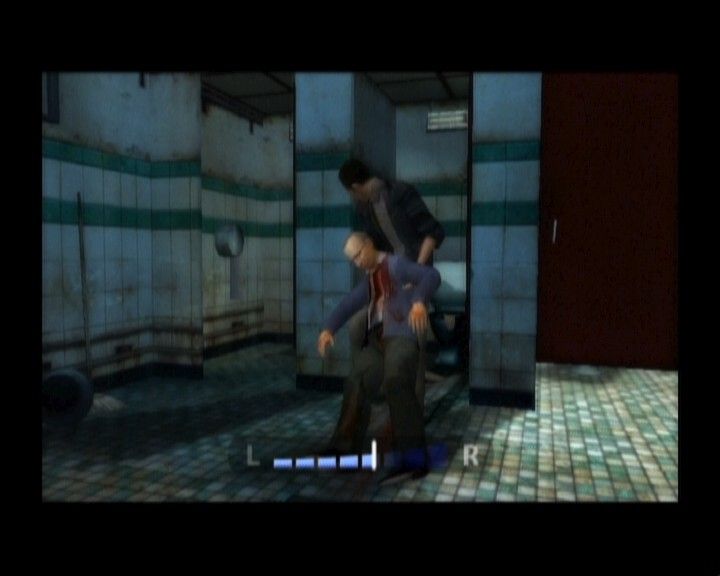
Indigo Prophecy plunges you into a chilling narrative that begins on a frigid January night in New York City. Ordinary office worker Lucas Kane, under the influence of an unseen force, inexplicably murders a stranger in a crowded diner. When he regains consciousness, the true horror sets in: he’s the prime suspect in a brutal homicide and must eliminate every trace of evidence before the police arrive.
Parallel to Lucas’s desperate flight are the investigations led by detectives Carla Valenti and Tyler Miles. Carla struggles with her professional ethics and personal grief, while Tyler battles addiction and guilt. Their dynamic is one of the game’s strongest assets—seeing the case through their eyes adds depth to the murder mystery and transforms the story into a layered psychological thriller.
As Lucas reaches out to his brother and unravels memories of his own troubled past, the plot thickens with supernatural overtones and moral ambiguity. Was Lucas a puppet of destiny, or a tormented soul fighting his own demons? The game never hands you easy answers, instead weaving a tapestry of personal trauma, cosmic conspiracies, and human frailty.
Dialogue choices and branching outcomes ensure that your decisions carry weight, ultimately steering the narrative toward one of three distinct endings. This non-linear approach fosters a strong desire to replay and test alternative paths, uncovering hidden details and new revelations about each character’s fate.
Overall Experience
Indigo Prophecy remains a must-play for fans of narrative-driven adventures and cinematic thrillers. Its blend of detective work, psychological intrigue, and supernatural mystery delivers a gripping ride from start to finish. The game’s emphasis on realism—both in task execution and emotional stakes—sets it apart from more conventional point-and-click titles.
While the control scheme and QTE mechanics may feel challenging to newcomers, they are essential to the experience, reinforcing the game’s themes of urgency and vulnerability. If you’re willing to embrace these interactive flourishes, you’ll discover one of the most memorable story-based games of its generation.
Visually, Indigo Prophecy holds up as a testament to smart design rather than flashy graphics. Atmospheric environments, expressive character work, and seamless cinematic transitions keep you immersed in the dark underbelly of New York City. The split-screen approach during key moments heightens suspense and underscores the dual-perspective storytelling.
Ultimately, Indigo Prophecy is an engrossing journey into the psyche of both killer and investigator. Its branching narrative, strong character development, and tense gameplay make it a standout psychological thriller worth revisiting. For anyone seeking an adventure that challenges both mind and reflexes, this title remains an engaging and unforgettable choice.


Reviews
There are no reviews yet.