 Retro Replay Retro Replay gaming reviews, news, emulation, geek stuff and more!
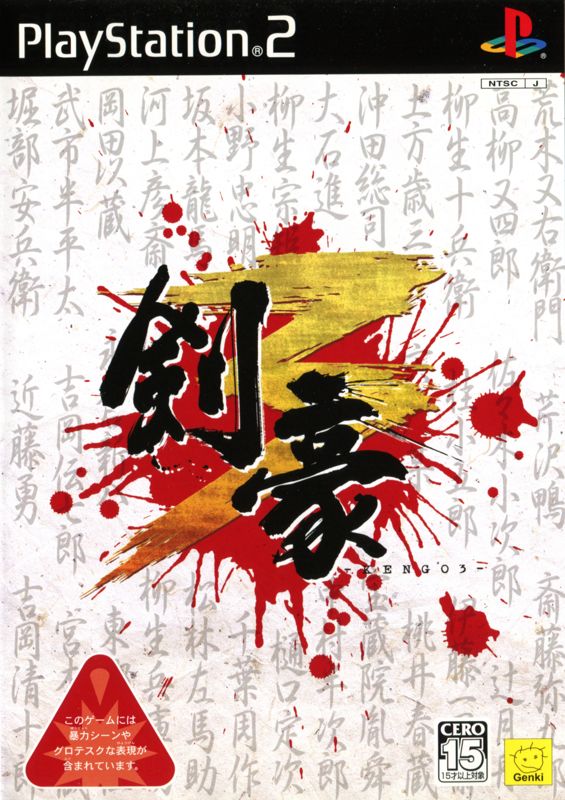
Retro Replay Review
Gameplay
Kengo 3 delivers a robust combat system that blends 3D fighting mechanics with Role Playing elements, placing you at the center of feudal Japan’s samurai culture. You’ll master six distinct weapons—ranging from the swift wakizashi to the heavyweight nodachi—each of which can be wielded in four specialized stances. This depth of choice encourages experimentation, rewarding players who invest time in learning timing windows, parries, and stance transitions. Combat feels weighty yet responsive, capturing the nuance of katana duels.
(HEY YOU!! We hope you enjoy! We try not to run ads. So basically, this is a very expensive hobby running this site. Please consider joining us for updates, forums, and more. Network w/ us to make some cash or friends while retro gaming, and you can win some free retro games for posting. Okay, carry on 👍)
Beyond one-on-one fights, the game introduces an open-world structure that lets you freely roam eleven historically inspired regions. Whether you’re traversing misty mountain passes at dawn or slipping into bamboo groves under a moonlit sky, the real-time day/night cycle adds an immersive layer to mission planning. You choose which challenges to accept—ranging from simple honor duels to high-stakes tournaments—allowing for a personalized progression that mirrors a wandering ronin’s journey.
Role Playing elements are woven into every duel: victories earn you renown and unlock specialty moves, while honorable behavior and completed side-quests can sway your standing among rival clans. Missions often incorporate environmental hazards or timed objectives, forcing you to adapt your weapon choice and stance on the fly. The pacing strikes a nice balance between grinding for experience and strategic skirmishes, ensuring neither the battles nor the story feel repetitive.
Graphics
Kengo 3’s visuals bring medieval Japan to life with a surprisingly vibrant color palette and atmospheric effects. The day/night cycle doesn’t just affect gameplay—it bathes villages, castles, and bamboo forests in shifting light, from golden dawn to inky twilight. Textures on stone paths and wooden structures are impressively detailed for its generation, and weather transitions—like sudden rainfall drenching your kimono—add an extra layer of authenticity.
Character models stand out with their varied armor sets and weapon designs. Each of the six weapon types carries unique animation sets: the swift slashes of the kodachi feel snappier than the broad, deliberate swings of the heavy sword. Facial expressions and idle animations—like a warrior’s poised breathing before combat—lend weight to every encounter. While some textures may appear dated by modern standards, the overall art direction remains compelling.
Environmental variety is another visual highlight. You’ll journey through snow-covered passes, rice paddies with swaying stalks, and bustling market towns filled with NPCs going about their daily business. Though loading times can interrupt the flow, they’re a small price to pay for transitions that showcase such a range of landscapes. Altogether, the graphics effectively draw players into the world of Bushido.
Story
At its core, Kengo 3 tells a classic tale of honor, mastery, and ambition. As an aspiring samurai, you set out to learn “The Way of the Warrior,” challenging thirty historical figures in single combat to cement your place among Japan’s greatest swordsmen. While the narrative framework is straightforward, mission variety and branching choices keep the journey engaging.
Role Playing choices—such as which missions to undertake and which rival to challenge next—create a semi-emergent storyline that feels uniquely yours. Conversations with NPCs and rival warriors offer glimpses into each character’s background, from vengeful ronin to loyal retainers of powerful clans. Although cutscenes are limited, the writing does a solid job of contextualizing each duel and highlighting the stakes involved.
The real-time day/night system also factors into the narrative, as certain missions become available only under specific conditions—an ambitious plot device that deepens immersion. For instance, a moonlit assassination challenge contrasts sharply with the honor-bound duels held at midday, underlining the moral complexities of Bushido. The result is a story that may not reinvent the samurai genre, but still provides enough nuance and replay value to keep you invested.
Overall Experience
Kengo 3 succeeds as a niche title that marries deep swordplay with open-world exploration and RPG progression. Its combat system remains its strongest asset, offering satisfying depth for players willing to study stances and weapon matchups. The freedom to chart your own path across medieval Japan, combined with the atmospheric day/night cycle, heightens the sense of living in a samurai’s shoes.
However, the game isn’t without its rough edges. Occasional loading hiccups and dated UI elements can break immersion, and the difficulty curve may feel steep for newcomers unaccustomed to timing-based sword combat. Side missions sometimes recycle environments, and the sparse narrative presentation means players craving a cinematic story might find it lacking.
Despite these shortcomings, Kengo 3 offers a distinctive experience for anyone fascinated by feudal Japan and authentic swordplay. Its blend of one-on-one duels, mission-based progression, and expansive environments makes it a rewarding challenge. If you’re seeking a deep, skill-driven fighting game with a samurai soul, Kengo 3 has plenty to offer.


Reviews
There are no reviews yet.