 Retro Replay Retro Replay gaming reviews, news, emulation, geek stuff and more!
Retro Replay Review
Gameplay
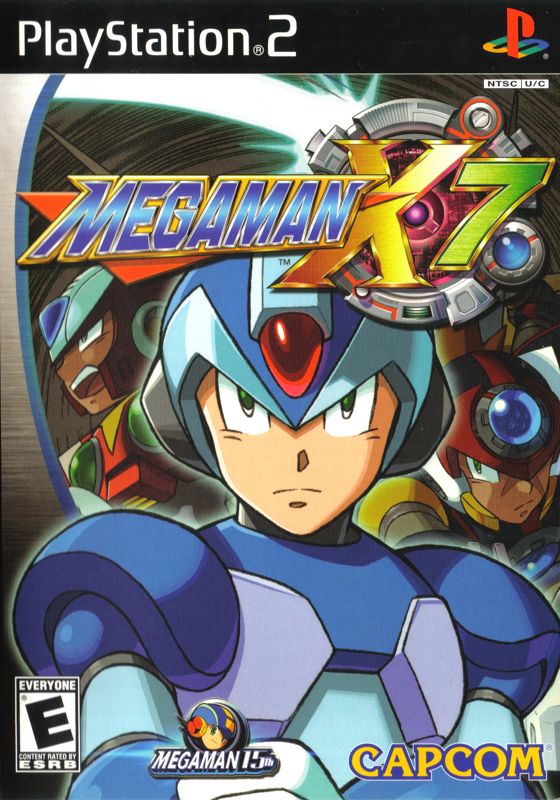
Mega Man X7 introduces a hybrid system that alternates between classic 2D side-scrolling and fully 3D platforming sections. Players choose two out of three characters—X, Zero, and newcomer Axl—before entering each stage, then swap between them on the fly to utilize their distinct abilities. X retains his signature charged shots and armor upgrades, Zero wields his Z-saber with fluid melee combos, and Axl brings a fresh twist with his pistol and “Copy Shot” ability, allowing him to mimic defeated bosses for short bursts of their powers.
(HEY YOU!! We hope you enjoy! We try not to run ads. So basically, this is a very expensive hobby running this site. Please consider joining us for updates, forums, and more. Network w/ us to make some cash or friends while retro gaming, and you can win some free retro games for posting. Okay, carry on 👍)
The integration of 3D traversal brings new challenges and opportunities, such as exploring more expansive environments, solving perspective-based puzzles, and avoiding platforming hazards from multiple angles. While this adds variety compared to the strictly 2D gameplay of earlier entries, some players may find camera management and depth perception tricky, especially during tight jumps or boss encounters in the 3D plane. Sections that revert to traditional side-scrolling often feel more precise and familiar, highlighting the series’ roots.
Character swapping is integral to progression: certain obstacles or enemy types can only be overcome by the right hero. For example, sealed doors might require Axl’s quick-copy techniques, while airborne enemies or destructible walls demand X’s charged shot. Zero’s agile dash and saber attacks are essential for close-quarters skirmishes. This interdependence encourages thoughtful team selection and on-the-fly strategy adjustments—though managing cooldowns and weapon energy can sometimes interrupt the flow.
Graphics
Visually, Mega Man X7 marks a dramatic shift for the franchise, bringing polygonal models and fully rendered 3D backgrounds to the PlayStation 2 era. Character models showcase smoother animations and more expressive poses, while environments boast intricate details like layered machinery, dynamic lighting, and particle effects. Boss arenas feature rotating platforms or shifting camera angles that underscore the game’s new dimensionality.
However, the transition to 3D occasionally exposes the limitations of early PS2 hardware. Textures may appear blurry at times, and frame rate dips can occur during intense action sequences. The camera—especially in tight corridors or fast-paced boss fights—can struggle to keep all the action in view, leading to moments of disorientation. By contrast, the classic 2D levels feel crisp and stable, reinforcing the idea that this series excels in its original plane.
Cutscenes blend in-engine graphics with pre-rendered cinematics, giving narrative moments a cinematic flair. Character expressions and dynamic camera cuts enhance dramatic reveals, such as Axl’s escape from Red Alert or X’s reluctant return to battle. While not every texture is high-res, the artistic direction and color palette remain faithful to the vibrant, futuristic world of Mega Man X.
Story
Set in the year 21XX, Mega Man X7 takes place after the Eurasia Incident and the Nightmare Crisis, as Earth rebuilds from decades of Maverick turmoil. Peace seems within reach, yet the Maverick threat never fully disappears. This time, the seasoned hunter X has grown weary of endless conflict and voluntarily steps away from frontline duty, leaving his comrade Zero to take charge of the Maverick Hunters.
Enter Red Alert, a clandestine syndicate led by the enigmatic Red, who positions himself as a benevolent successor to the official Hunters. When Axl—a talented Maverick hunter newly recruited by Red Alert—realizes the group’s darker intentions, he breaks free and flees for his life. The story unfolds as X and Zero race to protect Axl from recapture, uncover Red Alert’s true agenda, and prevent a fresh wave of chaos.
The narrative balances character-driven moments with action set-pieces. X’s internal struggle over violence versus peace lends emotional weight, while Zero’s unwavering dedication provides contrast. Axl, as the rookie caught between mentors, injects youthful energy and curiosity. Although the plot is straightforward, it effectively sets up moral dilemmas and foreshadows alliances that will shape future installments.
Overall Experience
Mega Man X7 delivers a bold experiment in blending 2D action with 3D platforming, offering fans both nostalgia and novelty. The variety of gameplay modes—together with the trio’s distinct playstyles—keeps the pacing fresh, and the copy mechanic for Axl adds a strategic twist. However, camera control and occasional performance hitches serve as reminders that the series’ original formula may still be its strongest suit.
The game’s audiovisual presentation is ambitious, with detailed character models, dynamic lighting, and a soundtrack that fuses classic Mega Man motifs with more dramatic orchestral flourishes. While some textures and environments show their age, the overall aesthetic remains cohesive and engaging. Narrative cinematics successfully convey the urgency of the Maverick threat and the evolving relationships among X, Zero, and Axl.
For prospective buyers, Mega Man X7 represents a transitional chapter: it honors the core DNA of the X series while pushing into new territory. Players seeking crisp, tight 2D action may find the side-scroll segments most satisfying, whereas those intrigued by early 3D platforming will appreciate the experimentation. Regardless, the hero trio’s synergy and the enduring battle against Mavericks ensure an adventure that’s both challenging and thematically resonant.



Reviews
There are no reviews yet.