 Retro Replay Retro Replay gaming reviews, news, emulation, geek stuff and more!
Retro Replay Review
Gameplay
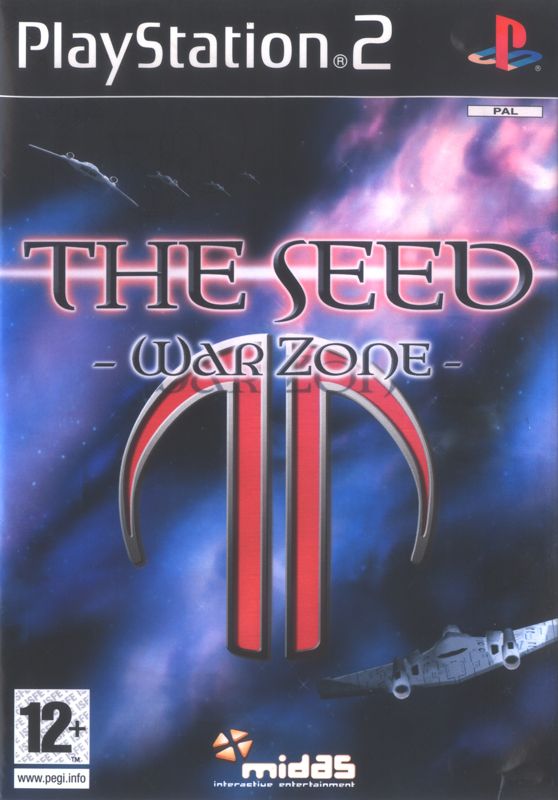
The Seed: Warzone delivers a deep and engaging strategy experience by placing you in command of the Anti-Seed Defense Force fleet. From the moment you assume command, you’re invited to customize every aspect of your warships—from weapon systems and engine types to defensive modules and deck layout. This ship-building mechanic adds a layer of personalization that keeps each engagement fresh, as your decisions in the hangar directly impact performance on the battlefield.
(HEY YOU!! We hope you enjoy! We try not to run ads. So basically, this is a very expensive hobby running this site. Please consider joining us for updates, forums, and more. Network w/ us to make some cash or friends while retro gaming, and you can win some free retro games for posting. Okay, carry on 👍)
Combat largely unfolds in two phases: pre-battle planning and real-time observation. During the planning phase, you assign combat roles to each vessel—such as flank runner, artillery support, or shield tanker—based on your design choices. Once the battle begins, you switch to a 3rd-person view and watch your fleet execute the orders you set. This “set-and-watch” approach streamlines tactical decision-making, though players who prefer granular micromanagement may find it limiting.
Progression in The Seed: Warzone is centered around mission completion and ship preservation. Earn credits by winning battles and protecting key assets, then reinvest those funds into new hulls, advanced weapons, and specialized subsystems. This economy loop encourages thoughtful planning: reckless engagements can deplete your fleet and starve your research budget, while cautious play rewards you with superior tech. The result is a satisfying risk-reward balance that fosters strategic forethought without overwhelming newcomers.
Graphics
Visually, The Seed: Warzone strikes a compelling balance between realistic 3D models and stylized anime flair. Ship hulls and weapon effects benefit from crisp textures and dynamic lighting, which lend a tangible heft to your capital ships as they exchange volleys across star-studded backdrops. Particle effects—explosions, laser beams, and engine trails—feel weighty and impactful, heightening the cinematic quality of each skirmish.
The anime-style cutscenes that bookend key missions give the narrative a distinctive aesthetic. Characters are rendered with vibrant colors and expressive faces, while backgrounds shift between sleek command bridges and charred battlefield vistas. These segments provide a welcome break from fleet management, humanizing your officers and adding emotional stakes to the conflict.
Performance remains solid on mid-range hardware, though very large battles can tax the engine, leading to occasional frame dips and audio stutters. Thankfully, the game offers adjustable graphical presets, allowing you to prioritize smoothness or visual fidelity. Even on lower settings, The Seed: Warzone retains its signature cinematic flair, ensuring that strategic choices remain the focus rather than tech benchmarks.
Story
Set in a far-flung future where humanity has joined the Galactic Inter-Species Co-operation Alliance, The Seed: Warzone pits you against a mysterious invader known only as the Seed. After three brutal years of conflict, you step into command of the ASDF, tasked with turning the tide of war. The premise feels familiar—a galaxy under siege by an unknown foe—but it provides a sturdy framework for both large-scale battles and personal sacrifices.
Storytelling largely unfolds through mission briefings and anime cutscenes that introduce new characters, reveal enemy tactics, and underscore the stakes of each engagement. Dialogue occasionally veers into cliché, with impassioned speeches and “fleet of hope” rhetoric, but strong voice acting and dynamic visuals keep the narrative engaging. Your sense of progression is reinforced by promotions, commendations, and the evolving relationships between fleet commanders.
While the main plot progresses at a steady pace, side missions offer additional context and world-building. Optional objectives let you investigate abandoned colonies, rescue isolated outposts, or secure vital research facilities. These detours deepen the lore of the Alliance and the Seed threat, making each star system feel like a lived-in corner of the galaxy rather than a mere backdrop for battlefield maneuvers.
Overall Experience
The Seed: Warzone stands out as a thoughtful blend of strategic planning and cinematic presentation. Its ship customization system offers enough depth to satisfy veteran strategy gamers, while the streamlined combat loop and adjustable difficulty make it approachable for newcomers. Watching your meticulously designed fleet dance between laser salvos and missile barrages is genuinely rewarding, especially when a daring flanking maneuver turns the tide in your favor.
Despite occasional performance hiccups during large engagements, the game’s audiovisual package remains consistently engaging. The combination of high-quality 3D models, eye-catching particle effects, and anime-style storytelling ensures that every battle feels like a set piece in an intergalactic epic. On the narrative side, the story may tread familiar ground, but strong pacing and character-driven cutscenes help sustain momentum through the midgame.
In sum, The Seed: Warzone is a compelling purchase for anyone hungry for a sci-fi strategy title with robust ship design options and cinematic flair. Whether you’re customizing battleships down to the last turret or rallying your officers in emotional anime sequences, the game delivers a cohesive experience that keeps you invested in both the macro and micro aspects of interplanetary warfare. It’s a solid addition to any strategy fan’s library and a fitting introduction to the war against the enigmatic Seed.


Reviews
There are no reviews yet.