 Retro Replay Retro Replay gaming reviews, news, emulation, geek stuff and more!


Retro Replay Review
Gameplay
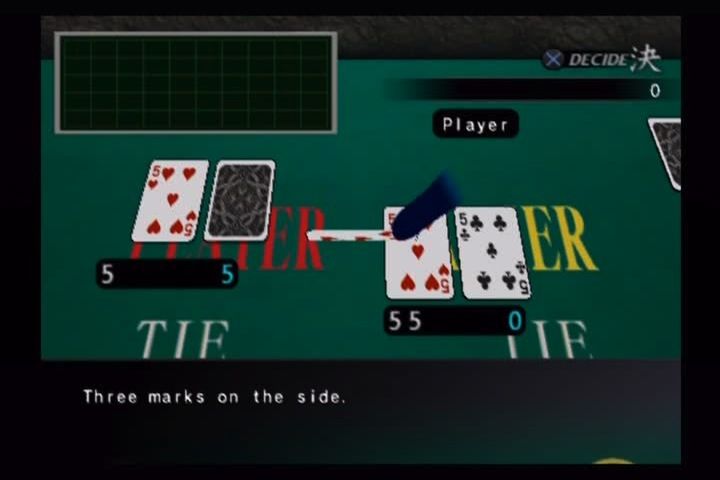
Yakuza offers a rich blend of hand‐to‐hand combat, free‐roaming exploration, and role‐playing elements that keeps every session fresh and engaging. Players step into the shoes of Kazuma Kiryu, navigating the neon‐lit streets of Kamurocho in exploration mode. The city is teeming with life, and you can drop into shops, restaurants, and countless mini‐games—from UFO catchers to batting cages—to break up the main quest and pad your wallet.
(HEY YOU!! We hope you enjoy! We try not to run ads. So basically, this is a very expensive hobby running this site. Please consider joining us for updates, forums, and more. Network w/ us to make some cash or friends while retro gaming, and you can win some free retro games for posting. Okay, carry on 👍)
Combat in Yakuza is a highlight: encounters trigger seamless transitions to separate fighting arenas where Kiryu must dispatch waves of adversaries. Melee combat feels visceral and weighty, thanks to a wide array of punches, kicks, throws, and heat moves. Environmental interactions add depth—grab a bicycle, swing a neon sign, or wield a discarded umbrella against opponents. Weapon durability and the ability to disarm foes inject a strategic layer into brawls.
The RPG‐style progression complements the brawling perfectly. After battles, you earn experience points and yen, allowing you to level up and allocate ability points to boost health, heat gauge, or unlock devastating new techniques. Managing your finances is also crucial; you’ll spend money on food, healing items, weapons, and even gifts, all of which can sway certain side quests or bolster Kiryu’s stats. This fusion of action and character growth keeps you invested in every fight and exploration.
Side quests and character interactions further enrich the gameplay loop. Random NPCs can trigger missions that range from heartwarming to outright bizarre, adding color and unpredictability to your journey. Whether you’re tailing suspicious figures for the Tojo Clan or rescuing stray cats for an eccentric collector, these diversions strengthen Kiryu’s ties to the community and flesh out the world beyond the main narrative.
Graphics
For its era, Yakuza’s graphics are nothing short of impressive. Kamurocho is rendered in meticulous detail, from flickering neon signs to the bustling crowds on its streets. Day‐night cycles and dynamic lighting enhance the atmosphere, making every alleyway and nightclub feel alive. Even today, the environment holds up thanks to thoughtful art direction and a strong sense of place.
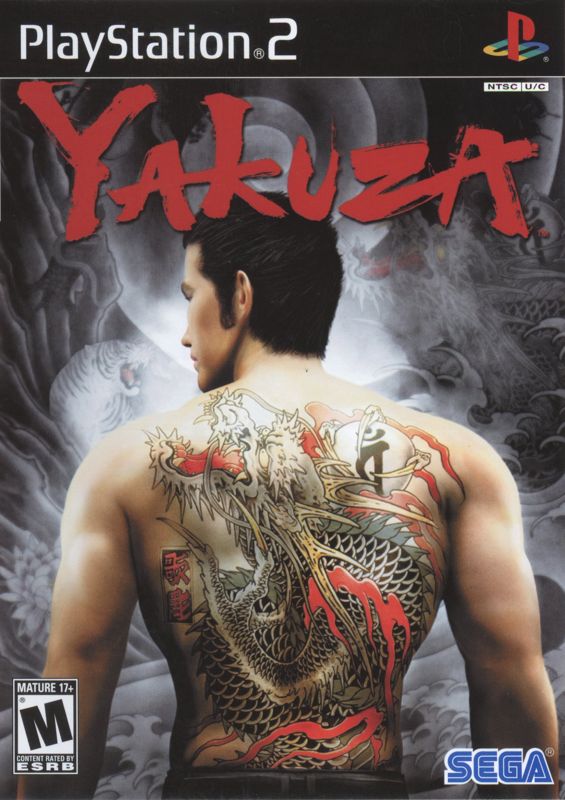
Character models are robust and nuanced, reflecting the weight and resilience of hardened yakuza members. Kiryu’s iconic dragon tattoo and stoic gaze are faithfully captured, and enemy animations convey impact and struggle in close‐quarters combat. Facial expressions during key story moments add emotional depth, ensuring cutscenes hit with genuine gravitas.
Combat animations stand out with fluid combos and impressive heat moves. Each strike lands with satisfying force, and environmental weapon usage is highlighted by dramatic effects—sparks fly when an electric sign hits the ground, and crates splinter convincingly under Kiryu’s powerful throw. Even minor details, like the sway of Kiryu’s suit jacket or the ripple of his muscles when winding up a punch, contribute to a polished experience.
While textures may show their age under close inspection, the overall aesthetic remains sharp and coherent. Particle effects, water reflections, and shadow work combine to give Kamurocho an immersive sheen. For fans of urban drama and gritty realism, Yakuza’s visual presentation is a strong selling point that elevates every encounter.
Story
At its core, Yakuza tells the tale of Kiryu Kazuma, a man whose childhood at the Sunflower Orphanage is defined by loyalty and sacrifice. Under the guardianship of a Dojima Family lieutenant, Kazuma’s rise through the Tokyo‐based Tojo Clan is cut short when he takes the fall for the murder of his patriarch, landing him in prison for a decade. This act of devotion sets the tone for a narrative steeped in honor, betrayal, and redemption.
Upon his release, Kiryu returns to Kamurocho only to find his world upended. Ten billion yen has vanished from the Tojo Clan’s coffers, and his orphanage friend Yumi Sawamura is nowhere to be found. As Kiryu delves into the web of deceit, alliances shift, and hidden agendas emerge. The plot weaves through the power struggles of rival yakuza factions, each seeking control of the stolen fortune—keeping you guessing at every turn.
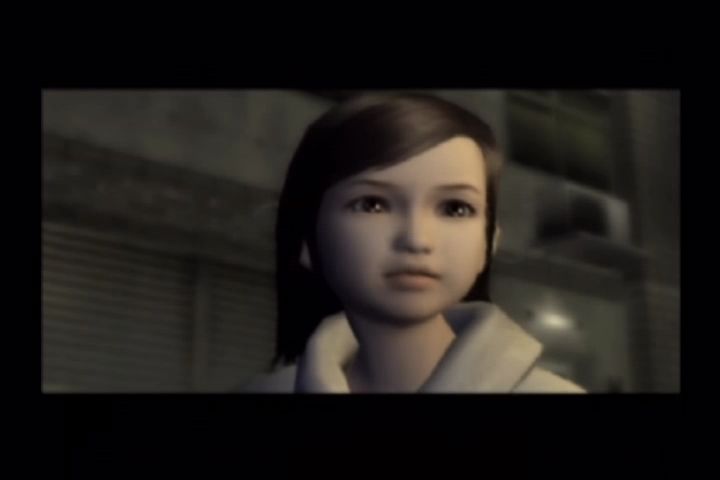
What makes Yakuza’s story truly compelling are the nuanced relationships Kiryu forms along the way. Bonding with street hustlers, comforting downtrodden civilians, and confronting former allies, Kiryu’s moral code shines through. The game balances high‐stakes intrigue with quieter moments of humanity, such as helping a lost child or sharing a meal with an unlikely friend. These episodes deepen the narrative and give your hero a relatable heart.
Side stories also enrich the main plot, offering context and emotional weight. Whether you’re helping a struggling business owner fend off thugs or investigating a phantom serial killer, each subplot ties back into the tapestry of Kamurocho life. The balance of dramatic tension and slice‐of‐life anecdotes ensures the storyline remains fresh, impactful, and thoroughly memorable.
Overall Experience
Yakuza is more than just a beat‐’em‐up; it’s an immersive journey into the heart of Japan’s criminal underworld, laced with compelling characters and addictive gameplay loops. The seamless integration of story, exploration, combat, and RPG mechanics creates a highly replayable experience that appeals to a broad range of players—from action aficionados to fans of narrative‐driven adventures.
The world of Kamurocho feels lived‐in and vibrant, encouraging you to stray from the main path and discover hidden secrets or engaging mini‐games. Combat remains fresh throughout thanks to the heat gauge system and the variety of weapons and moves at your disposal. Character progression is rewarding, and side quests offer both humor and pathos, ensuring you stay invested beyond the primary storyline.
Even after years, Yakuza’s presentation holds up, presenting a cinematic quality that rivals many modern titles. Music and voice acting—completely in Japanese with English subtitles—further immerse you in the setting, enhancing emotional beats and high‐octane fights alike. The game strikes a satisfying balance between serious drama and lighthearted distractions, making each play session uniquely entertaining.
If you’re looking for a game that masterfully blends street‐level brawling, engaging RPG elements, and a heartfelt narrative set against the backdrop of a neon metropolis, Yakuza delivers in spades. It stands as a must‐play for anyone seeking depth, variety, and an unforgettable trip into the world of the Japanese yakuza.


Reviews
There are no reviews yet.