 Retro Replay Retro Replay gaming reviews, news, emulation, geek stuff and more!

Retro Replay Review
Gameplay
Mega Man 10 sticks faithfully to the 8-bit blueprint laid down by its predecessors, offering eight finely tuned stages that challenge players with a blend of precision platforming and strategic combat. Each level introduces unique enemy types and environmental hazards, pushing you to memorize patterns and time your jumps and shots with pixel-perfect accuracy. The satisfaction of clearing a gauntlet of moving saw blades or narrowly avoiding a volley of missiles is at the core of Mega Man’s enduring appeal.
(HEY YOU!! We hope you enjoy! We try not to run ads. So basically, this is a very expensive hobby running this site. Please consider joining us for updates, forums, and more. Network w/ us to make some cash or friends while retro gaming, and you can win some free retro games for posting. Okay, carry on 👍)
At the end of each stage awaits a Robot Master, each armed with a signature weapon that, once acquired, shifts the balance of power in Mega Man’s favor. Choosing the optimal order to tackle these bosses adds a layer of strategy: using a newly gained weapon to exploit an opponent’s weakness can turn a seemingly insurmountable fight into a manageable skirmish. This rock-paper-scissors dynamic encourages experimentation and replayability, as players discover the most efficient boss routes and weapon synergies.
While Mega Man 10’s default hero can only jump, run and shoot—lacking the slide move from Mega Man 3 or the charge shot from Mega Man 4—the inclusion of Proto Man and downloadable Bass expands the gameplay palette. Proto Man arrives equipped with both slide and charged shots, as well as his trademark shield, but he balances these advantages with higher vulnerability. Bass, available via DLC, introduces diagonal aiming at 45-degree angles, enabling novel combat strategies. These character options inject fresh variety into the core formula without straying from the series’ roots.
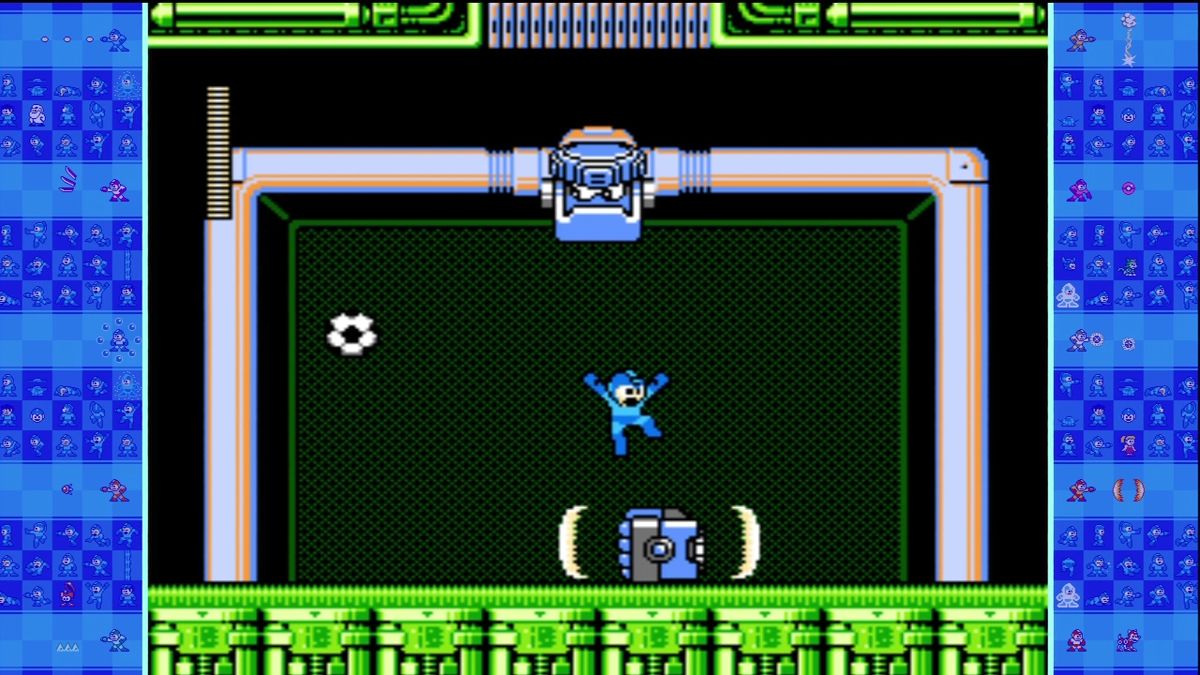
Beyond the main campaign, Mega Man 10 offers Time Attack and Challenge modes that cater to completionists and speedrunners alike. Time Attack tracks your best stage-clear times, encouraging you to shave off seconds through pixel-perfect runs. Challenges range from “no-death” gauntlets to single-weapon boss rushes, each with its own set of rules designed to test your mastery. Separate Challenge Rooms further diversify the experience, pitting you against specific layouts under unique conditions. Together, these modes significantly extend the game’s lifespan.
Graphics
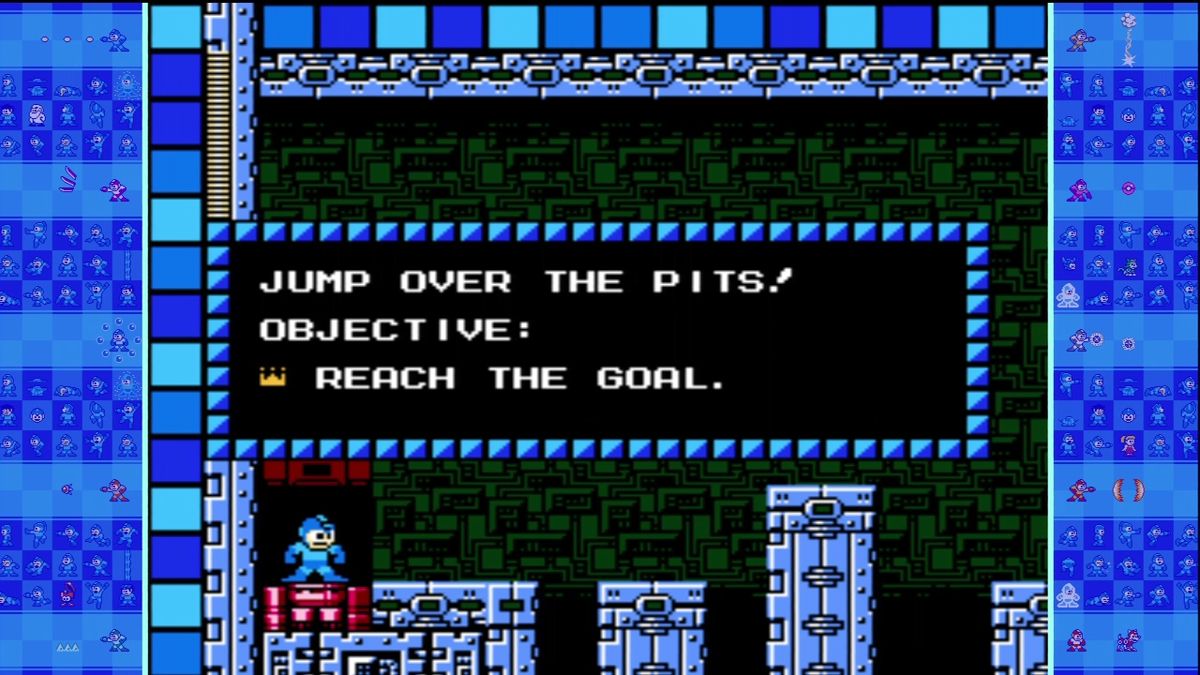
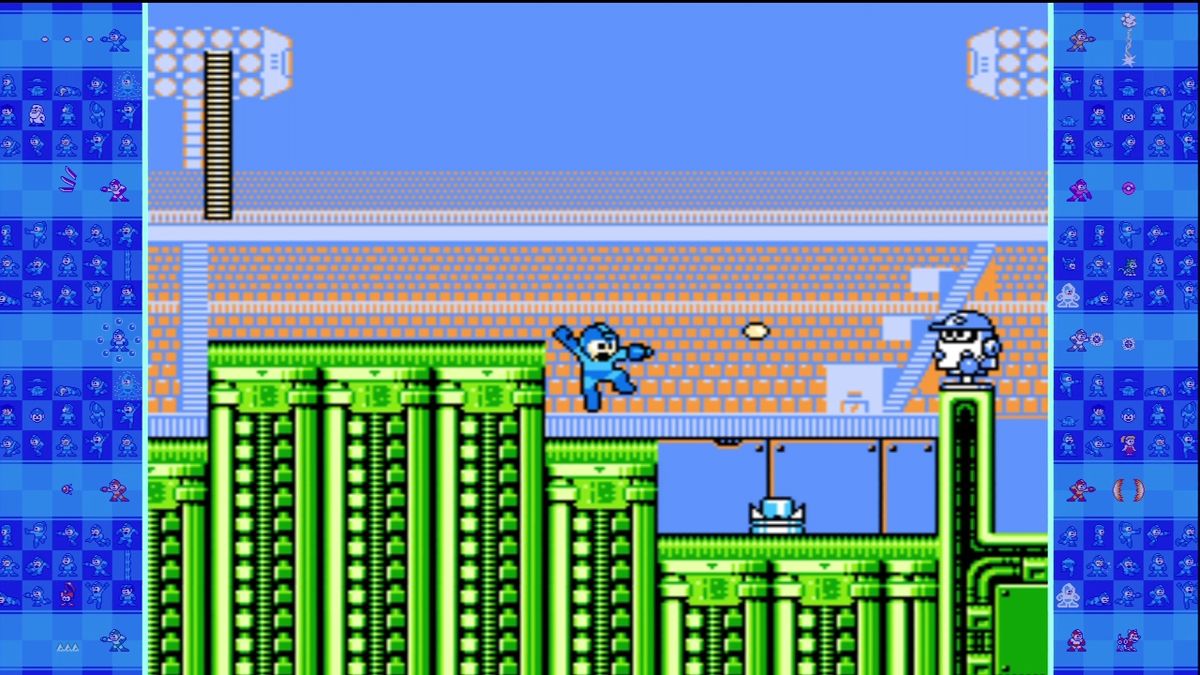
Visually, Mega Man 10 is a love letter to the NES era, embracing an 8-bit aesthetic that captures the colorful simplicity of the original Mega Man titles. Each stage is meticulously crafted with vibrant color palettes and crisp pixel art, from the industrial steelworks of Oil Man’s stage to the frosty caverns of Chill Man. Background details are subtle but effective, with layered parallax scrolling adding depth to otherwise flat screens.
Character sprites are sharp and well-animated, delivering smooth movement frames for running, jumping and shooting. The bosses boast distinctive designs—Oil Man’s slick metallic sheen, Sheep Man’s woolly silhouette and Strike Man’s aerial motifs—each bursting with personality despite the hardware limitations. Enemy patterns and projectiles are clearly readable, ensuring that players can quickly react to oncoming threats even in the most chaotic sequences.
Special effect animations, such as weapon blasts and boss transformations, feel punchy and impactful. When Mega Man absorbs a new weapon, the palette swap and unique firing animation signal a meaningful upgrade. Though intentionally retro, these effects never feel dated or cumbersome; instead, they reinforce the game’s nostalgic charm while remaining functionally clear and responsive. The entire presentation evokes fond memories of home console gaming’s golden age without compromising modern expectations for visual clarity.
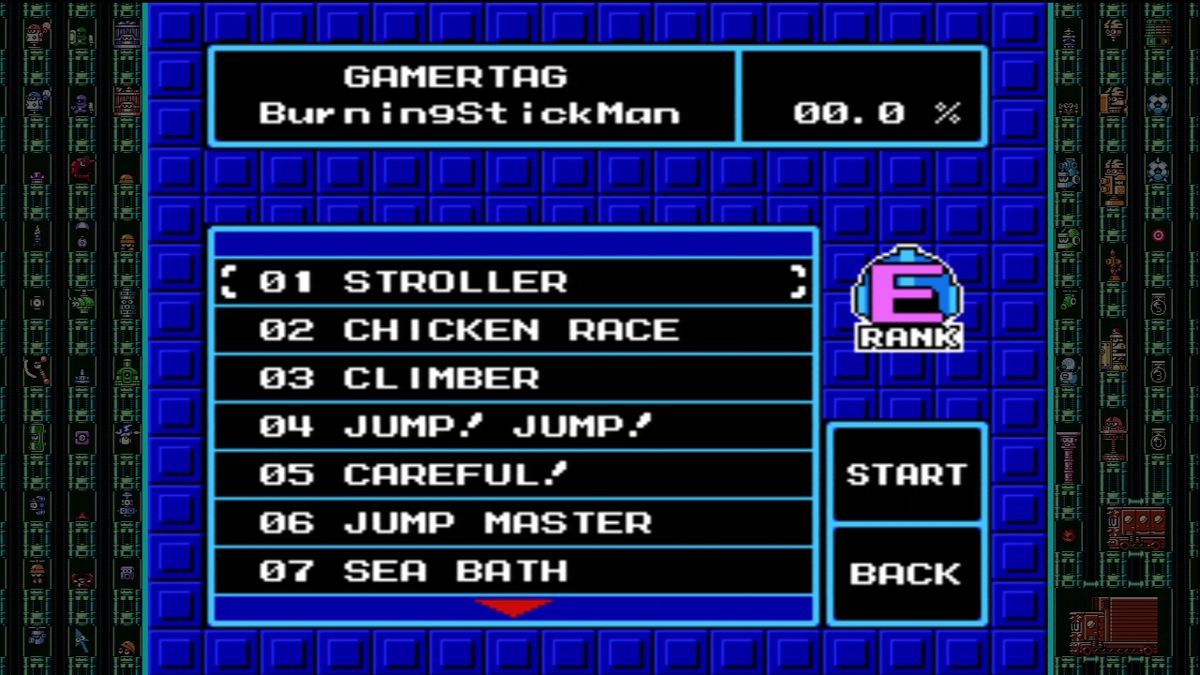
Menu screens and stage-select interfaces also adopt an authentic NES-style layout, complete with chiptune flourishes. Even the game’s loading screens are virtually instant, preserving immersion. Whether you’re a die-hard retro fan or a newcomer curious about gaming history, Mega Man 10’s graphics demonstrate how classic aesthetics can still shine in today’s gaming landscape.
Story
Set in the year 20XX, Mega Man 10 opens with a dire broadcast: a new virus dubbed “Roboenza” has begun infecting robots, reducing them to inert husks or, worse, turning them into hostile automatons bent on world domination. Humanity’s reliance on robotic assistants becomes its Achilles’ heel as everyday machines go berserk, wreaking havoc on cities and infrastructure.
Dr. Wily claims to have engineered a miraculous cure—a robotic medicine-making machine capable of halting Roboenza in its tracks—but before he can deliver it, the device is stolen by the very robots he intended to save. With the world teetering on the brink of disaster, Mega Man volunteers to confront Dr. Wily’s rogue creations and recover the stolen apparatus. It’s a classic setup that requires little exposition yet provides sufficient stakes to drive the action forward.
Each Robot Master you face plays a part in Wily’s elaborate heist, with stage dialogue snippets and post-boss quips adding flavor to their personalities. While the narrative remains straightforward and light on twists, its simplicity is part of the series’ enduring charm. Your mission is clear: overcome eight menacing bosses, reclaim the antidote machine and bring peace back to humankind.
Unlockable character routes—such as playing through the campaign as Proto Man—offer minor narrative variations, accompanied by unique cut-ins and alterative boss dialogues. Though no sweeping plot revelations await, these touches reward dedicated players who wish to experience every facet of the story. Overall, Mega Man 10’s tale proves that a tightly focused, goal-driven plot can be just as engaging as a sprawling epic.
Overall Experience
Mega Man 10 delivers a finely tuned blend of nostalgia and modern convenience, inviting both veteran fans and newcomers to engage with its polished 8-bit platforming. The difficulty remains faithful to the classic Mega Man formula: expect steep learning curves, trial-and-error moments and the gleeful triumph that comes from finally mastering a tricky boss fight. Save states on consoles and handhelds help ease frustration without undermining the core challenge.
The game’s expanded roster—featuring Mega Man, Proto Man and DLC character Bass—encourages multiple playthroughs, each offering unique strengths, weaknesses and playstyles. Time Attack and Challenge modes are thoughtfully designed, providing a steady stream of post-campaign content that will keep completionists busy for hours. Leaderboards for online time tracking foster friendly competition and give speedrunners a platform to showcase their skills.
Audio design further elevates the experience, with catchy chiptune tracks that pay homage to the original NES soundtracks while introducing fresh melodies. Sound effects are satisfyingly sharp, from the crackle of energy blasts to the clang of defeated bosses. Voice snippets and announcer cues are kept to a minimum, preserving the game’s retro atmosphere.
Overall, Mega Man 10 stands as a worthy continuation of the storied franchise, delivering tight controls, memorable stage design and a generous suite of modes that extend its replay value. Whether you crave a nostalgic trip back to the 8-bit era or simply appreciate well-crafted platformers, this title offers a compelling package that places it among the best in the series’ modern revival.


Reviews
There are no reviews yet.