 Retro Replay Retro Replay gaming reviews, news, emulation, geek stuff and more!
Retro Replay Review
Gameplay
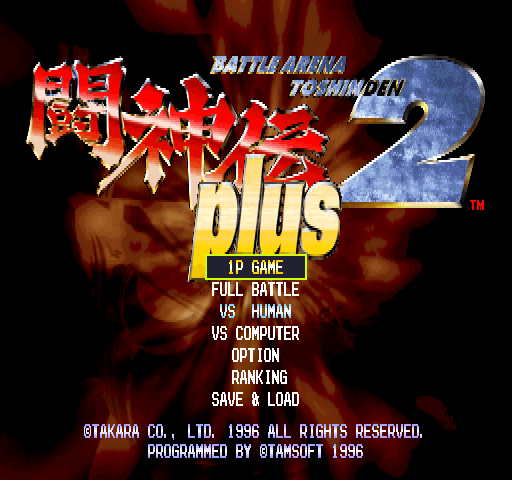
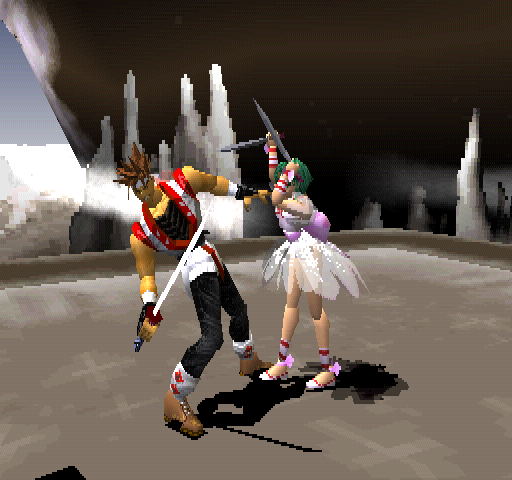
Battle Arena Toshinden 2 Plus builds on its predecessor’s core formula of weapons-based, 3D fighting. Matches are fast-paced, with a clear emphasis on positioning and weapon reach. The faster frame rate compared to the original PlayStation release makes every clash feel more immediate—blocks and counters flow more smoothly, and combos chain together with satisfying fluidity. This boost in speed gives both newcomers and seasoned players a sharper combat experience.
(HEY YOU!! We hope you enjoy! We try not to run ads. So basically, this is a very expensive hobby running this site. Please consider joining us for updates, forums, and more. Network w/ us to make some cash or friends while retro gaming, and you can win some free retro games for posting. Okay, carry on 👍)
Balance tweaks in Toshinden 2 Plus are subtle but meaningful. Certain special moves, like Fo’s Mystic Sphere and Duke’s Knight Strike, have been retooled to feel more responsive and fair. These adjustments don’t upend the character roster—they simply refine it. As a result, you’ll find fewer “must-pick” characters and more room for experimentation, whether you prefer a mid-range zoner or a close-quarters brawler.
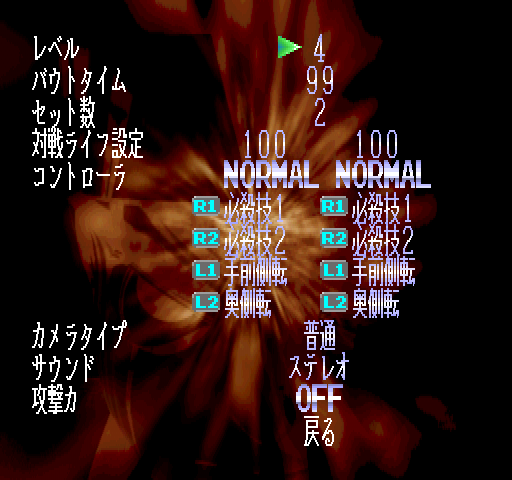
Another welcome addition is the ability to save unlocked fighters, high scores, and custom control setups directly to the memory card. Where the original PlayStation version forced you to start from scratch each time, this enhanced edition remembers your progress. That means you can invest time into mastering a character’s move list without worrying about losing your unlocks or preferred button mappings after turning off the console.
The overall pacing and control feel strike a fine balance between arcade-style accessibility and technical depth. You’ll find yourself drawn into repeated bouts, both in single-player arcade mode and local versus matches. While there’s no online play in this era-specific re-release, the offline duel experience remains solid enough to keep you challenging friends or refining your combos against CPU opponents.
Graphics
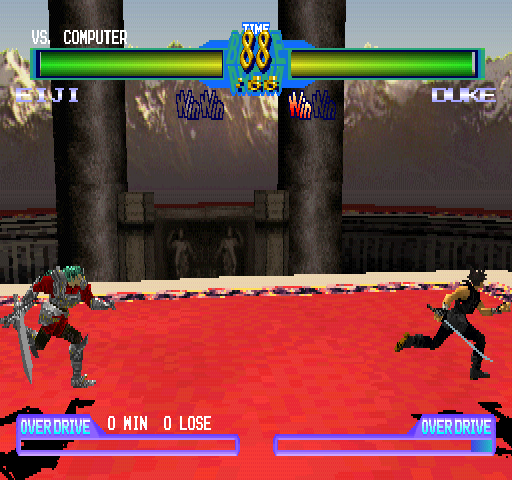
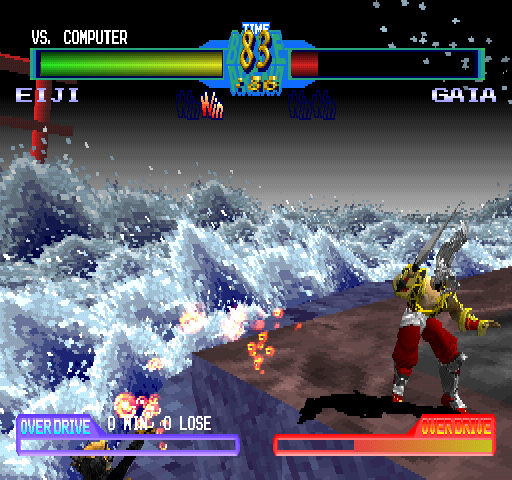
Visually, Toshinden 2 Plus receives a modest but welcome polish. Textures have been sharpened, giving character models and arena environments a crisper appearance. This is especially noticeable on weapons and armor detailing, where you can better appreciate the sculpted curves and metallic sheens that were somewhat muddled in the original release.
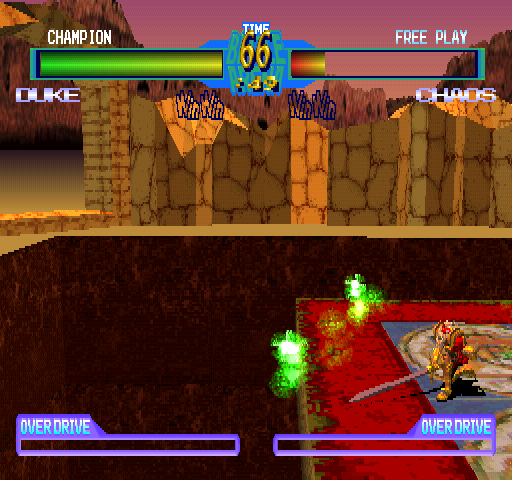
The replacement of certain sprite-based effects with real-time particle effects adds extra flair to special moves and stage interactions. Sparks fly more convincingly when swords clash, and elemental projectiles feature smoother trails. These enhancements don’t transform the game into a modern spectacle, but they do refresh the aesthetic for players returning to the series years later.
Stage design retains its classic variety—from moonlit courtyards and Japanese temples to rain-soaked docks—each setting carrying its own atmospheric charm. The frame rate boost helps maintain stable performance even when multiple particle effects are on screen, minimizing slowdown and keeping the action uninterrupted.
While the overall visual upgrade is relatively conservative, it aligns perfectly with the title’s “Greatest Hits” pedigree. The presentation feels more polished than the original PlayStation version without attempting a full-scale graphical overhaul. For fans of retro fighting games, the result is a faithful but refreshed look that honors the source material.
Story
Battle Arena Toshinden 2 Plus doesn’t reinvent the wheel in terms of narrative—it remains a tournament-driven fighting game at heart. The simple premise of collecting world-class warriors to compete for the coveted Toshinden Trophy provides enough context to introduce each character’s motivations and signature rivals.
Character backstories are conveyed through brief text screens and pre-fight dialogue snippets. You’ll learn about the rivalry between Eiji and Kayin, the mysterious goals of Gaia, and the personal vendettas driving veterans like Wolf and Duke. Though these story beats are fleeting, they add a splash of personality to the combat and encourage you to explore the entire roster.
There are no new story modes or cutscenes added in the Plus edition—this is purely a balance and presentation update. If you’re seeking a deep narrative or cinematic showcase, Toshinden 2 Plus won’t satisfy that craving. However, for a mid-’90s fighter, the pacing and light character arcs remain serviceable, letting the action take center stage.
In the context of its re-release within Japan’s “The Best” range, the story elements feel just right for players seeking quick pick-up-and-play sessions. The focus remains squarely on one-on-one duels, and the lean narrative ensures that you spend most of your time mastering combos rather than watching cutscenes.
Overall Experience
Battle Arena Toshinden 2 Plus delivers a streamlined, enjoyable fighting game experience that will appeal to both nostalgic fans and newcomers curious about mid-’90s 3D fighters. The performance improvements and quality-of-life additions—particularly the save functionality—make it more accessible and less frustrating than the original PlayStation release.
In terms of content, the roster and move sets remain unchanged, but the polish applied to graphics, frame rate, and balance is enough to breathe new life into the classic formula. Local versus matches feel especially crisp, and the refined mechanics reward both strategic play and flashy combo execution.
Although there’s no online component, the offline experience is robust. The ability to save progress and custom controls encourages extended play sessions, whether you’re unlocking hidden characters in arcade mode or perfecting a personal best score. Packaging this updated version in the “The Best” price tier also makes it an attractive budget-friendly pick for retro collectors or casual players alike.
If you’re on the fence about revisiting Toshinden 2 or discovering it for the first time, Toshinden 2 Plus represents the definitive way to experience this chapter of the series. It’s a concise, well-tuned fighter that showcases the strengths—and quaint retro charms—of 1990s 3D weapon combat, and it remains a solid recommendation for anyone exploring the roots of arena-style fighting games.


Reviews
There are no reviews yet.