 Retro Replay Retro Replay gaming reviews, news, emulation, geek stuff and more!


Retro Replay Review
Gameplay
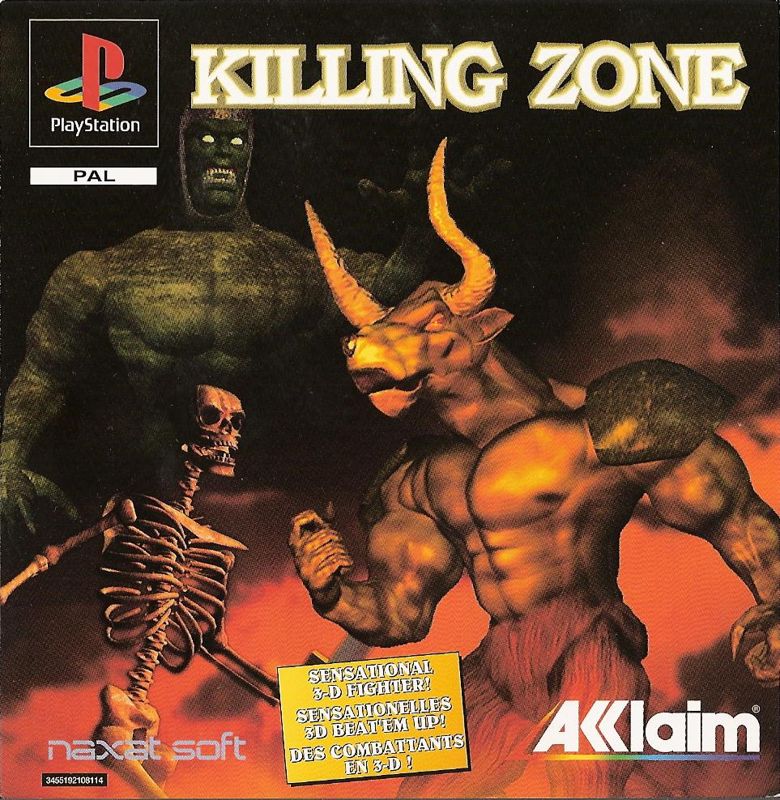
Killing Zone pits seven legendary monsters—ranging from Frankenstein’s creature to the horned Minotaur—against one another in one-on-one duels. Unlike most fighting games of its era, there are no hidden combatants to unlock and no ultimate boss to conquer; the initial lineup is all you get. This straightforward approach keeps the roster small but focused, ensuring every match revolves around the core cast of iconic creatures.
(HEY YOU!! We hope you enjoy! We try not to run ads. So basically, this is a very expensive hobby running this site. Please consider joining us for updates, forums, and more. Network w/ us to make some cash or friends while retro gaming, and you can win some free retro games for posting. Okay, carry on 👍)
The control scheme emphasizes weight and power over speed and precision. Characters lumber across the ring with deliberate, ponderous steps, reflecting their monstrous heft. While this design choice imbues each fight with a visceral sense of impact, it also makes movement feel sluggish. Executing combos or evading attacks requires precise timing, and the often-unresponsive input can lead to frustrating moments when your monster refuses to turn or block in time.
Killing Zone offers two distinct modes. The primary “Normal Mode” has you battle through the six other monsters before facing a mirror match against your chosen fighter. The lack of a dedicated versus menu means a second human player can only join mid-campaign, which feels like an odd omission. After completing the gauntlet, you receive a performance breakdown but no true ending or narrative resolution.
Complementing the straightforward battles is the innovative but flawed “Auto Mode.” Here, you act as a corner coach, guiding an AI-controlled monster through multiple tournaments by issuing attack or defense commands via controller prompts. As your creature gains experience, it learns new moves and becomes more responsive to your instructions.
Unfortunately, the promise of Auto Mode is undermined by the absence of a save feature. Each play session resets your progress, forcing you to retrain from scratch. This omission significantly reduces the replay value of what could have been a standout feature.
Graphics
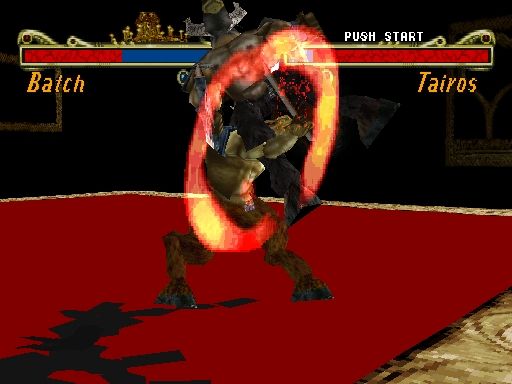
As an early PlayStation release, Killing Zone showcases polygonal models that were ambitious for their time. Each monster has a distinct silhouette—Frankenstein’s hulking frame contrasts sharply with the slender Skeleton, for example—and the designers took care to give each creature unique attacking animations that reinforce their mythic origins.
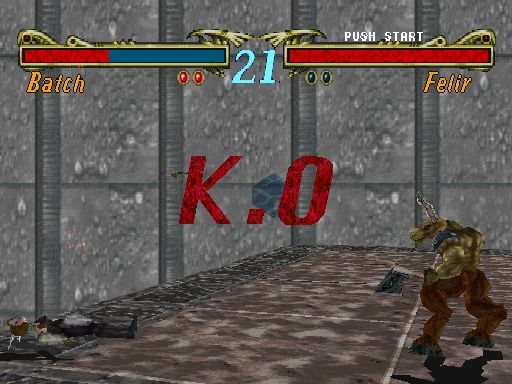
Texture detail is minimal, with flat colors and simple shading defining characters and arenas alike. While this lends a certain retro charm, it also means environments feel empty and uninviting. Backgrounds consist of static, low-resolution bitmaps that rarely change, making matches in different arenas feel more repetitious than varied.
Frame rate dips are noticeable when heavy attacks land or when special moves trigger particle effects. These slowdowns can affect gameplay responsiveness, compounding the already weighty control scheme. However, the overall presentation succeeds in creating a dark, gothic atmosphere that suits the monstrous roster.
Camera angles occasionally shift dramatically to showcase powerful blows, but these zoom-ins can be disorienting and sometimes obscure crucial on-screen action. Despite these limitations, fans of early 3D fighters will appreciate the game’s bold attempt to differentiate itself visually from more conventional martial arts titles.
Story
Killing Zone’s roster of creatures hails from classic horror and myth, but the game offers virtually no narrative context for their clashes. There are no opening cinematics, cutscenes, or in-game dialogue to explain why Frankenstein’s monster is battling the Minotaur or what stakes—if any—hang in the balance.
After you complete the Normal Mode, the sole reward is a statistics screen showing wins, losses, and overall performance. There is no final cutscene or ending sequence to tie the experience together, leaving the question of “why” entirely unanswered. Players seeking lore or dramatic payoff will find the game disappointingly hollow.
The game’s manual teases deeper lore around each creature and their motivations, but this background is never integrated into the gameplay itself. As a result, battles feel disconnected, more like isolated exhibitions of violence rather than pieces of a larger narrative tapestry.
While the lack of story may appeal to purists who just want head-to-head monster brawls, most players will miss the sense of progression or purpose that a cohesive plot can provide.
Overall Experience
Killing Zone is an intriguing curiosity from the dawn of 3D fighting games. Its roster of famous monsters, each with unique attack styles—Skeleton’s neck-stabbing leaps and Minotaur’s horn goring—provides a fresh alternative to the genre’s martial artists and superheroes. If you enjoy slow, weighty combat with a gothic twist, it can be a fun diversion.
However, the game’s limited character selection, lack of unlockables, and absence of a story campaign hamper its longevity. The Auto Mode’s training concept is innovative, but without the ability to save progress, it quickly loses its appeal. Fans of deep combo systems or lightning-fast reflex battles will likely find the sluggish movement and occasional input lag off-putting.
Visually, Killing Zone captures the spirit of early PlayStation experimentation, complete with low-polygon models and static backgrounds. While the aesthetics reinforce the monstrous theme, they fall short of the richer worlds and smoother animations seen in later fighters.
Ultimately, Killing Zone offers a niche experience best suited to collectors and retro enthusiasts curious about the PlayStation’s formative years. Its unique premise and memorable monster designs may earn it a place in your library, but repeated play sessions reveal its mechanical and structural shortcomings.

Reviews
There are no reviews yet.