 Retro Replay Retro Replay gaming reviews, news, emulation, geek stuff and more!

Retro Replay Review
Gameplay
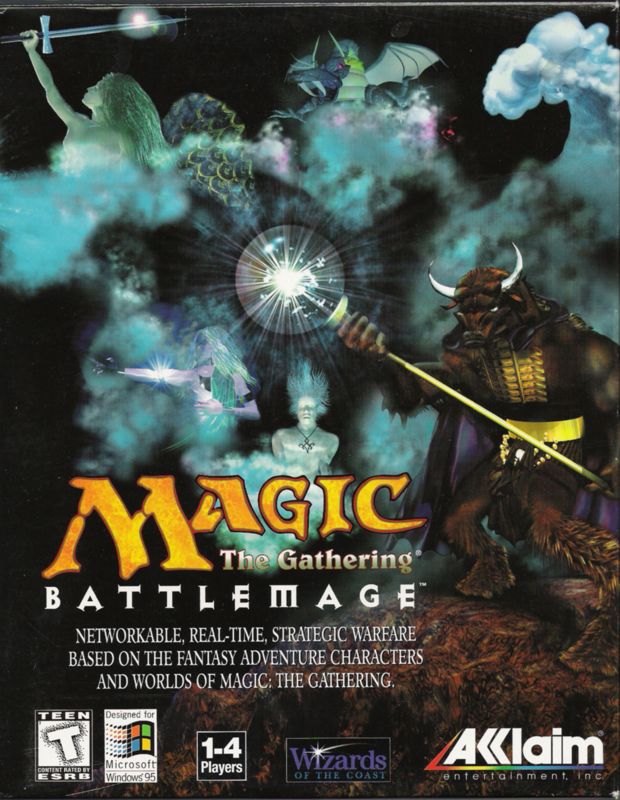
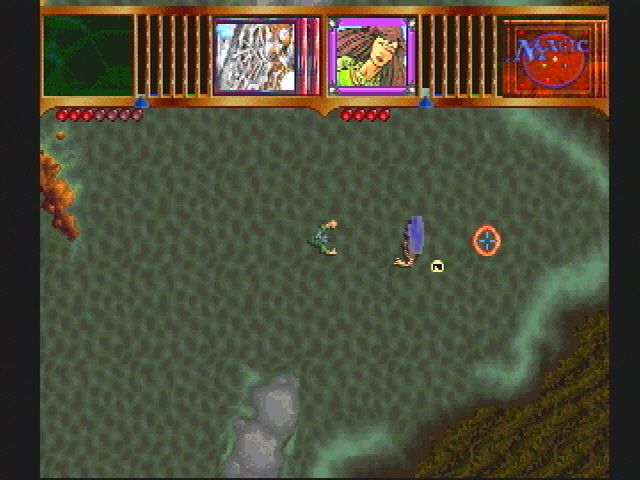
Magic: The Gathering – Battlemage merges a strategy-based interface with real-time action, creating a hybrid experience that breathes life into your deck. As a battle mage, you issue commands on a tactical grid—positioning units, timing spell casts, and managing resources—while simultaneously leaping into the fray to wield powerful incantations. This dual-layered approach captures the essence of tabletop play yet elevates it with fast-paced, on-the-ground skirmishes.
(HEY YOU!! We hope you enjoy! We try not to run ads. So basically, this is a very expensive hobby running this site. Please consider joining us for updates, forums, and more. Network w/ us to make some cash or friends while retro gaming, and you can win some free retro games for posting. Okay, carry on 👍)
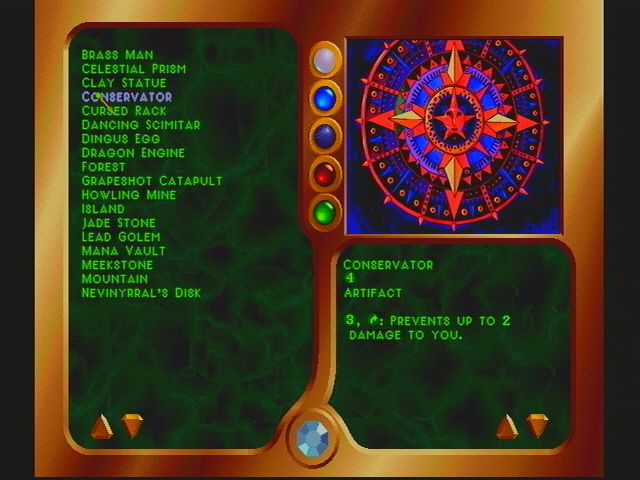
The core battles hinge on a familiar resource system from the card game, yet here you spend mana in real time. Each decision—whether to summon a massive beast, cast a protective barrier, or unleash a chain lightning—demands quick thinking and adaptability. Deck-building occurs between missions, letting you tailor your loadout to reflect your personal style: aggressive burn spells, defensive wards, or summoning hordes of elemental creatures.
One of Battlemage’s standout features is its branching mission structure. Early on, you encounter choices that steer the campaign toward different theaters of conflict, unlocking unique enemies and lore fragments. No two playthroughs feel identical; the narrative forks challenge you to experiment with new strategies and cards, ensuring extended replayability.
Behind the scenes, resource management and cooldowns strike a delicate balance, keeping encounters challenging without veering into frustration. Enemy AI adapts to your tactics, forcing constant evolution in your approach. Whether you favor ranged sorcery or frontline elemental assaults, the game’s systems reward planning as much as quick reflexes.
Graphics
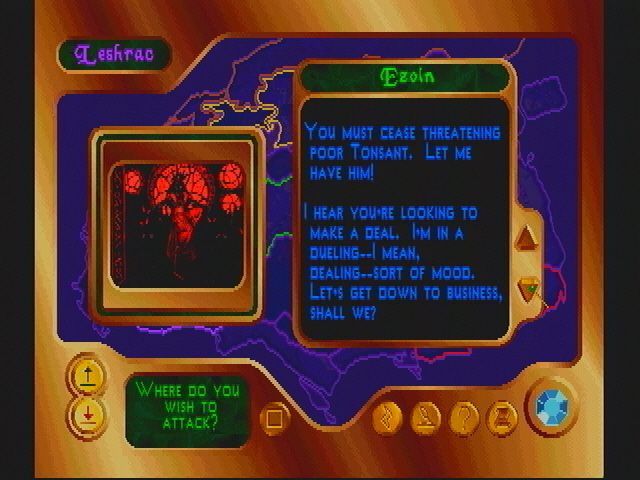
Battlemage’s visual design captures Magic’s iconic art style in three dimensions. Spells shimmer with vibrant particle effects, and summoned creatures retain the intricate details and color palettes of their card illustrations. Watching a leviathan rise from the ground or a phoenix erupt in flame feels truly dynamic.
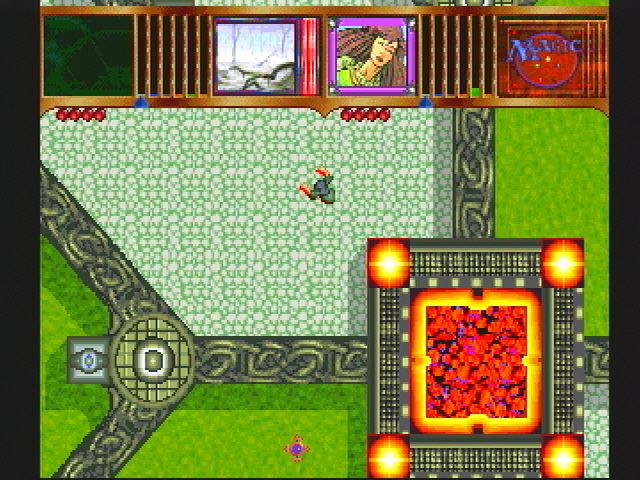
Environments range from mist-shrouded forests to arcane citadels, each rendered with attention to atmosphere and scale. Dynamic lighting enhances the drama of every encounter: lightning cracks illuminate stormy skies, while runic circles glow beneath summoned beasts. Minor environmental destruction—craters left by fireballs, scorched earth from volcanic spells—adds realism to the battlefield.
On modern hardware, the game generally maintains a smooth framerate, even in large-scale clashes with dozens of units. Occasional dips in highly populated scenes are forgiven given the spectacle on display. Menus and HUD elements mirror card frames, offering a cohesive aesthetic that feels faithfully lifted from the tabletop experience.
Story
Another of the Magic: The Gathering series, where you are a battle mage trying to challenge the authority of the new ultimate planeswalker of the lands. This narrative premise sets the stage for a classic underdog tale, driving you through treacherous realms to gather allies and arcane artifacts. The protagonist’s motivations—revenge, ambition, or the pursuit of knowledge—stem from player-driven choices.
The storyline has different possibilities for the hero to take, so the course of the game differs for every new game. Early decisions—allying with a rogue guild, forging a pact with a shattered phoenix, or siding with an ancient dragon lord—dramatically alter mission objectives, character interactions, and available spells. This branching design not only boosts replay value but also weaves a personalized epic.
Voice performances and cinematic cutscenes punctuate key narrative beats, lending weight to pivotal moments. Although some dialogue skews toward archetypal fantasy tropes, the incorporation of well-known Magic lore—references to famous planeswalkers and legendary locations—will delight series veterans.
Side quests delve deeper into the world’s mythology, unfolding hidden chapters of the planar conflict. These optional missions often reward unique cards or powerful artifacts, incentivizing exploration and experimentation. In doing so, Battlemage balances its main storyline with compelling ancillary content.
Overall Experience
Magic: The Gathering – Battlemage offers a richly layered blend of strategy and real-time action. Its innovative combat system breathes new life into familiar cards, while branching narratives and deck customization provide endless replay potential. The game’s visual flair and attention to Magic lore make it a compelling pick for both long-time fans and newcomers seeking a fresh twist on fantasy tactics.
That said, the learning curve can be steep. New players may find the dual interface challenging at first, and the depth of deck-building options could feel overwhelming. A thorough tutorial and gradual difficulty ramp help smooth the entry point, but patience remains key.
Ultimately, Battlemage succeeds in delivering an immersive, replayable campaign that honors its tabletop roots while forging its own identity. Whether you’re drawn by strategic depth, real-time spellcasting, or branching storylines, this title stands out as one of the most ambitious Magic adaptations to date.
For those who live for epic showdowns and the thrill of summoning legendary creatures at the flick of a wrist, Magic: The Gathering – Battlemage is a must-play adventure that rewards creativity, strategic foresight, and a willingness to explore every narrative path.


Reviews
There are no reviews yet.