 Retro Replay Retro Replay gaming reviews, news, emulation, geek stuff and more!
Retro Replay Review
Gameplay
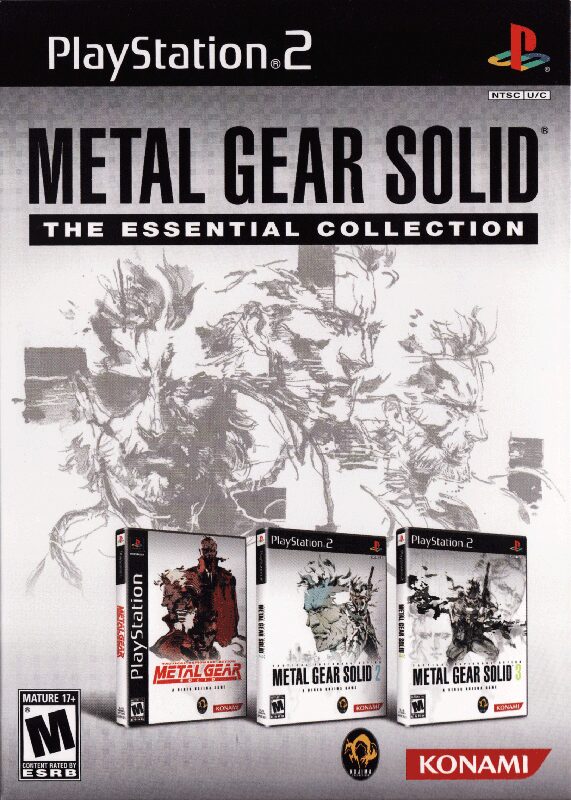
Metal Gear Solid: The Essential Collection assembles three of Hideo Kojima’s most iconic stealth-action adventures, each offering a unique variation on the series’ signature gameplay loop. In the original Metal Gear Solid, you’ll find the foundational stealth mechanics—crouch-walking along walls, hiding in cardboard boxes, and carefully timing guard patrols. Its deliberate pacing and emphasis on environmental awareness still feel fresh, even two decades after its initial release.
(HEY YOU!! We hope you enjoy! We try not to run ads. So basically, this is a very expensive hobby running this site. Please consider joining us for updates, forums, and more. Network w/ us to make some cash or friends while retro gaming, and you can win some free retro games for posting. Okay, carry on 👍)
Metal Gear Solid 2: Substance builds on those mechanics by introducing a wider array of gadgets and branching mission structures. The expanded “Substance” modes add bonus missions that challenge you to push the limits of the stealth system, from escort missions to high-speed chases that blend pure action with strategic planning. Raiden’s introduction may have initially divided fans, but his agility and the game’s more fluid animation bring a different, exhilarating stealth perspective.
Metal Gear Solid 3: Subsistence refines the formula further by incorporating survival elements and a fully rotatable camera, making infiltration feel more organic than ever. Tracking wildlife for rations, hiding in foliage, and mastering the camouflage index deepen the tactical options at your disposal. Even without the Persistence and Existence bonus discs, Subsistence’s core campaign delivers hours of inventive level design, forcing you to adapt to changing weather, enemy fatigue, and dynamic alert states.
Graphics
While each title in the collection originates from different hardware generations, the remastered presentation in The Essential Collection aims for consistency across all three. The original PSX model of Metal Gear Solid has been upscaled, cleaning up textures and smoothing out frame rate dips, but retains its grainy, cinematic aesthetic that defined late-’90s console graphics.
Substance on PS2 benefits from sharper character models and more detailed environments, especially in high-contrast lighting scenarios that accentuate the game’s stealthy atmosphere. Shadow volumes are crisper, and the added visual clarity helps you spot glints from enemy patrols or subtle AI cues—critical for avoiding detection.
Subsistence on its first disc impresses with vibrant jungle landscapes and realistic animal life, showcasing the series’ early experimentation with dynamic ambient effects. The slightly aged visuals may reveal polygonal edges on characters, but the remaster’s faithful preservation of cutscene fidelity ensures Kojima’s cinematic set pieces still feel grand and immersive.
Story
The Essential Collection chronicles a sweeping narrative that spans decades of in-universe conflict and geopolitical intrigue. The original Metal Gear Solid introduces Solid Snake’s mission to neutralize a nuclear threat at Shadow Moses, blending espionage thriller tropes with sci-fi twists. Its memorable villains—Revolver Ocelot, Psycho Mantis, and Liquid Snake—remain some of gaming’s most charismatic antagonists.
Metal Gear Solid 2: Substance takes a bold narrative turn, shifting player control from Snake to newcomer Raiden and exploring themes of information control, digital propaganda, and personal identity. The game’s lengthy codec conversations and philosophical monologues might feel ambitious, but they underscore Kojima’s desire to push the medium beyond simple hero-versus-villain storytelling.
In Metal Gear Solid 3: Subsistence (the core disc), you step into the role of Naked Snake during the Cold War. This prequel unpacks the origins of Big Boss and introduces characters like The Boss and Ocelot in their formative years. The emotional weight of betrayal, duty, and legacy resonates deeply, thanks to strong voice performances and well-paced scriptwriting. Even without the additional bonus missions, the core arc feels complete and compelling.
Overall Experience
As a packaged set, Metal Gear Solid: The Essential Collection offers tremendous value for both newcomers and longtime fans. You get three genre-defining titles on physical media, each showcasing a pivotal chapter in the series’ evolution. The menu interface is straightforward, allowing seamless switching between games and easy access to bonus galleries and codec audio logs.
Despite omitting Subsistence’s Persistence and Existence discs, the collection delivers over 50 hours of main-story gameplay, not counting the replayability offered by higher difficulty levels and alternative stealth approaches. The tactile satisfaction of PS controller inputs—particularly in tense guard encounters and boss battles—remains satisfying, reminding players why this series retains a devoted following.
Ultimately, Metal Gear Solid: The Essential Collection stands as a definitive way to experience Kojima’s early masterpieces in one package. Whether you’re curious about the foundations of modern stealth design or you’re revisiting these classics, the compilation’s breadth of content, atmospheric immersion, and narrative depth make it a must-have for any serious gamer’s library.


Reviews
There are no reviews yet.