 Retro Replay Retro Replay gaming reviews, news, emulation, geek stuff and more!
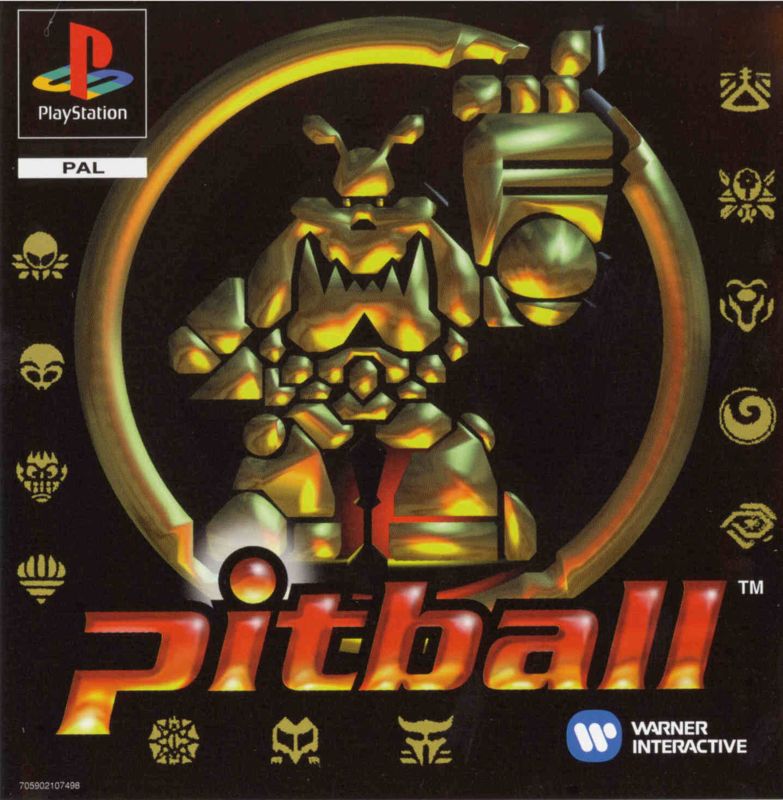
Retro Replay Review
Gameplay
Pitball throws players into a high-octane, 2-on-2 arena where brute force and precision teamwork collide. At its core, the contest revolves around a floating orb that must be wrested from opponents, carried across the floor, and hurled into a goal. The game perfectly balances the kinetic thrills of Rollerball with the tactical passing and shooting of basketball.
(HEY YOU!! We hope you enjoy! We try not to run ads. So basically, this is a very expensive hobby running this site. Please consider joining us for updates, forums, and more. Network w/ us to make some cash or friends while retro gaming, and you can win some free retro games for posting. Okay, carry on 👍)
Matches play out as short, explosive bursts of action. Each team member can dash, tackle, or leap, and the intuitive control scheme makes chaining moves a breeze. The moment-to-moment gameplay remains fast-paced: you might chase down an orb one second, dodge a landmine the next, then sear a perfect shot past a defender moments later.
What elevates Pitball above a mere sports romp is its arsenal of power-ups. Random drops pepper the arena floor, granting super-speed, enhanced shooting accuracy, or devastating bombs that can clear a path through the opposition. Timing these pickups—especially in tight matches—adds a thrilling layer of strategy.
Build-up mechanics around special orbs further diversify the play. Accumulate charges on these glowing spheres, then unleash spectacular “special moves” that can turn the tide of a game in a flash. Whether it’s a gravity-defying slam or a tracking projectile, mastering these specials rewards skillful play and tactical foresight.
Moreover, Pitball supports up to four players via the Multi-Tap adapter, making it an exceptional choice for local multiplayer sessions. Whether you’re teaming up with a friend or facing off in a free-for-all, the game’s responsive controls and balanced arenas ensure every match is both competitive and chaotic fun.
Graphics
Pitball’s visual design embraces a sleek, futuristic motif that feels both polished and energetic. The arenas are rendered with glossy, neon-lit floors that reflect the action overhead, while dynamic lighting creates a sense of depth and urgency. Each venue boasts its own color palette and subtle environmental cues that keep the sights fresh across multiple matches.
Character models are robust and distinctive. From bulky bruisers to nimble speedsters, each athlete sports a unique design silhouette and vibrant color scheme, making it easy to track teammates and foes amid the melee. Animations are smooth and impactful—tackles send bodies tumbling across the floor, and goal throws are accompanied by satisfying motion blur.
Visual feedback is especially strong when power-ups appear. Speed boosts envelop players in streaking trails of light, bombs crackle with electrical energy, and special orbs glow with iridescent particles that highlight their importance. These effects not only look impressive, they also telegraph crucial game information in a clear, readable way.
On the downside, texture detail can feel somewhat basic when viewed up close, relying more on bold shapes and color contrasts than fine-grained realism. However, this stylistic choice reinforces readability during frantic multiplayer matches, ensuring you never lose sight of the orb or your opponents in the heat of battle.
Performance-wise, Pitball runs consistently smooth, even when the screen is crowded with explosions and flashing effects. Frame rates stay locked solid, which is vital for a game that hinges so much on split-second decision-making and rapid control inputs.
Story
Pitball doesn’t lean on a traditional narrative campaign; instead, it weaves its world through the team management and league progression modes. You’re not following a pre-scripted hero arc but forging your own path as a coach-manager in a cutthroat futuristic league.
The management interface offers a surprisingly deep framework for storytelling through gameplay. You scout talent on the transfer market, haggle for rising stars, and upgrade your roster’s speed, strength, or accuracy in the equipment shop. Every signing and every piece of gear carries potential to shape your team’s identity and on-field persona.
Between matches, the stakes get personal. You can gamble on your own team’s outcome, doubling your coffers if you pull off an upset, or discreetly bribe opponents to underperform in crucial fixtures. These morally gray choices create emergent storylines—will you rely on raw talent, or gamble everything on a shady payoff?
Though there’s no voiced cutscene or branching dialogue tree, the management mode’s depth fosters emotional investment. Watching a youngster you scouted blossom into a special-move specialist, or seeing a mid-season trade pay dividends in the championship, delivers its own narrative satisfaction.
For players craving lore, the game sprinkles in arena histories, sponsor backstories, and league statistics via menu blurbs and text logs. While light on traditional exposition, these details flesh out the world enough to keep you immersed between matchdays.
Overall Experience
Pitball strikes a rare balance between accessible pick-up-and-play action and deeper strategic layers. Casual friends will revel in the explosive 2v2 showdowns, while hardcore players can pore over management menus and power-up tactics to eke out every competitive edge.
Its multiplayer mode is a standout—inviting and chaotic, it transforms any living room into a futuristic arena rife with high-fives, trash talk, and memorable come-from-behind victories. Local four-player matches via the Multi-Tap are an absolute blast, offering countless hours of couch-competitive fun.
Meanwhile, the single-player league mode provides longevity, with addictive team-building mechanics and morally ambiguous options (gambling, bribery) that keep each season feeling fresh and personal. Even without a linear storyline, you’ll find yourself eager to see how far your franchise can rise.
Though not without minor graphical shortcuts and a lack of a cinematic narrative, Pitball more than compensates with its thrilling gameplay, vibrant presentation, and robust management systems. It’s a unique hybrid of sports, combat, and strategy—perfect for gamers looking for something beyond the ordinary ball-and-hoop formula.
In the end, Pitball delivers an engaging, adrenaline-fueled experience that rewards both button mashers and tactical thinkers. Whether you’re launching a game night or mapping out a dynasty, this futuristic sport offers enduring appeal and plenty of reasons to keep coming back for more.



Reviews
There are no reviews yet.