 Retro Replay Retro Replay gaming reviews, news, emulation, geek stuff and more!
Retro Replay Review
Gameplay
Project: Horned Owl unfolds as a classic rail-shooter, guiding players along a predetermined path as they aim and fire upon incoming threats. The game accommodates both the PlayStation mouse and the Konami light gun, offering a more immersive and tactile shooting experience. Whether you prefer the precision of the mouse or the arcade feel of the light gun, the controls remain responsive, ensuring quick target acquisition and smooth tracking through the city environments.
(HEY YOU!! We hope you enjoy! We try not to run ads. So basically, this is a very expensive hobby running this site. Please consider joining us for updates, forums, and more. Network w/ us to make some cash or friends while retro gaming, and you can win some free retro games for posting. Okay, carry on 👍)
Players can choose from three distinct characters, each boasting unique weapon setups and slightly varied firing rates. While the core mechanics are straightforward—point, shoot, and reload—the subtle differences in character loadouts encourage experimentation. Switching between rapid-fire spread shots or slower, high-damage single bullets can dramatically alter your strategy against wave after wave of mechanized enemies.
The pacing of Project: Horned Owl is brisk; with only five levels on offer, the action never overstays its welcome. Each stage introduces new enemy types, from ground-based drones to airborne mechs, keeping the gameplay fresh despite its short duration. Boss encounters punctuate the levels with dramatic intensity, demanding quick reflexes and pattern recognition to emerge victorious.
Graphics
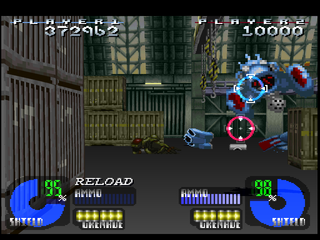
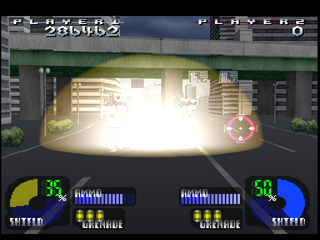
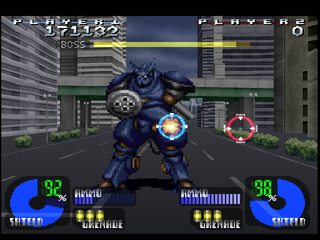
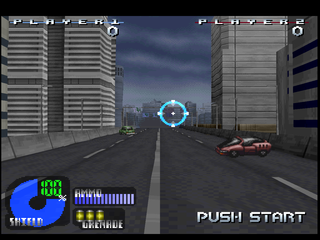
Graphically, Project: Horned Owl leverages the graphical capabilities of the original PlayStation to present detailed, city-based backdrops that set the tone for futuristic urban warfare. Buildings, streets, and neon signs form a sprawling metropolis under siege, and the sense of depth created by scaling and texture mapping still holds up well for its era. The 3D models of mech enemies stand out against the environments, thanks to clear silhouette design and vibrant color contrasts.
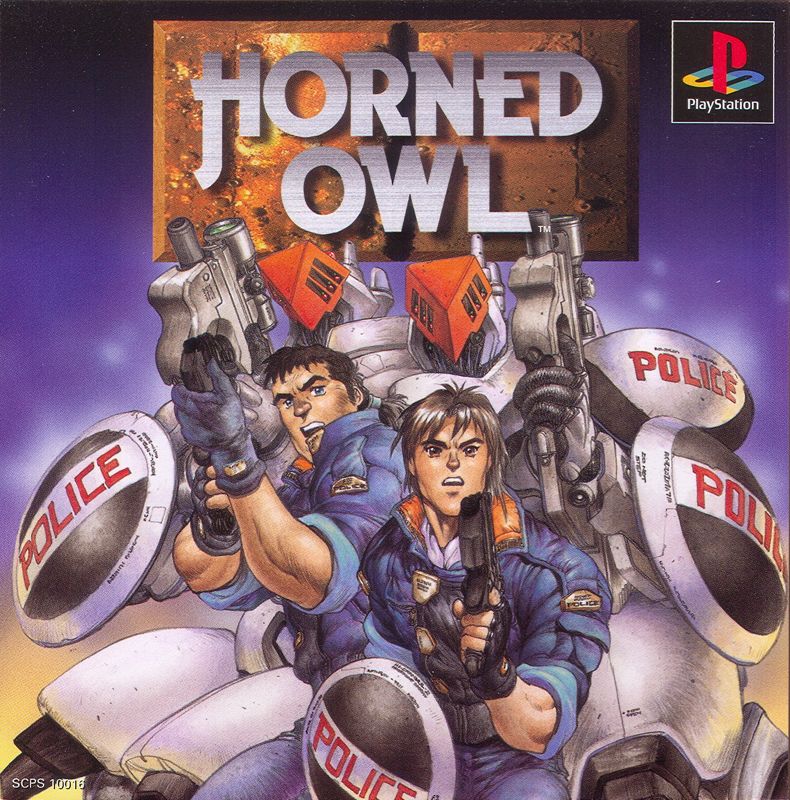
A standout feature is the character and enemy design influenced by Masamune Shirow, the visionary artist behind Ghost in the Shell. Shirow’s signature mechanical aesthetic is evident in the intricate details of each enemy unit—exposed pistons, articulated limbs, and glowing cockpit windows all contribute to a believable sense of high-tech menace. These visual flourishes elevate what might otherwise be a routine shooter into something with genuine style.
While the frame rate occasionally drops during heavy on-screen action, the overall presentation remains sharp and coherent. Special effects—such as muzzle flashes, explosions, and debris—are rendered with enough flair to make each firefight feel impactful without overwhelming the hardware. Text overlays and HUD elements are neatly integrated, ensuring that vital information like ammo count and life gauge never obstruct the view.
Story
Although Project: Horned Owl prioritizes action over narrative depth, the premise is simple and effective: a towering urbanscape is under assault by rogue mech forces, and it’s up to your elite squad to restore order. The game introduces its three playable protagonists with brief text profiles, hinting at a backstory of elite operatives trained for high-stakes missions. While cutscenes are minimal, the dialogue exchanges before each level provide just enough context to motivate your firefights.
The light narrative framework serves mainly as a backdrop for setpieces, but occasional environmental storytelling—such as ruined districts and civilian evacuation scenes—lends weight to the mission’s urgency. Enemy chatter and radio transmissions between levels flesh out the world, revealing snippets of the rogue mech faction’s motives and the broader geopolitical stakes. Fans of sci-fi lore will appreciate these touches, even if they aren’t the game’s primary focus.
Masamune Shirow’s involvement in character design subtly informs the story’s tone: a blend of high-tech marvel and dystopian grit. Though the plot doesn’t delve into philosophical territory like Ghost in the Shell, it nods to similar themes of technology run amok and humanity’s reliance on mechanized defenses. The result is a concise, action-centric narrative that complements the on-rails shooting action.
Overall Experience
Project: Horned Owl is a compact, adrenaline-fueled shooter that succeeds in delivering classic arcade thrills on the PlayStation. Its short length may disappoint players seeking a lengthy campaign, but the tight pacing ensures there’s never a dull moment. The option to switch between the PlayStation mouse and Konami light gun caters to both casual fans and hardcore shooter enthusiasts, enhancing replay value.
Visually, the game impresses with a distinct cyber-mechanical style courtesy of Masamune Shirow, ensuring that each confrontation feels like a page out of high-end sci-fi art. Audio design—featuring punchy weapon sounds, atmospheric city ambience, and a synth-driven soundtrack—complements the visual flair, sustaining tension as you clear each sector of hostile mechs.
While five levels might seem brief by modern standards, Project: Horned Owl’s blend of responsive controls, stylish graphics, and varied enemy design makes it a worthwhile pick for collectors and retro shooter aficionados. It offers enough challenge to keep you coming back for higher scores and more efficient runs, and its tight presentation ensures that every minute is packed with action.


Reviews
There are no reviews yet.