 Retro Replay Retro Replay gaming reviews, news, emulation, geek stuff and more!
Retro Replay Review
Gameplay
Anata o Yurusanai places you in the shoes of Ririko Takeuchi, a reluctant private investigator navigating a series of intriguing cases. The core gameplay revolves around reading detailed text passages—complete with Ririko’s sharp internal monologues—while occasionally making choices that affect the flow of each investigation. These decision points, though limited, can influence which clues you uncover or which suspects you choose to tail, adding a subtle layer of interactivity to the otherwise narrative-driven experience.
(HEY YOU!! We hope you enjoy! We try not to run ads. So basically, this is a very expensive hobby running this site. Please consider joining us for updates, forums, and more. Network w/ us to make some cash or friends while retro gaming, and you can win some free retro games for posting. Okay, carry on 👍)
Beyond simple text progression, the game introduces light investigative mechanics. Players must pay close attention to dialogue snippets and environmental descriptions, since missing a key detail can close off certain story branches or lead to dead ends. Tailing suspects requires timing and patience: you’ll often need to select the right moment to follow someone without being detected, turning what could be a static reading experience into a small puzzle in its own right.
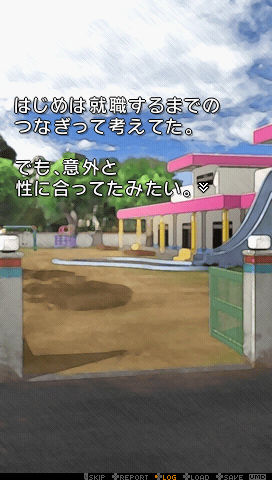
The vertical presentation on the PSP’s screen changes the rhythm of interactions. Rather than traditional left-to-right scrolling, you swipe or tap upward to reveal the next panel, mimicking the flow of a comic book. This design choice not only refreshes the pacing of visual novels but also enhances immersion, as you feel more directly involved in turning each page of Ririko’s investigations.
Graphics
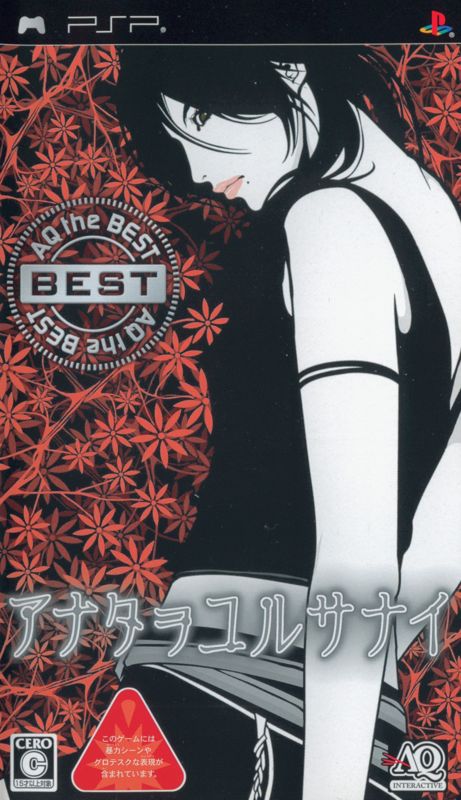
Graphically, Anata o Yurusanai leans into a minimalist yet striking black-and-white art style, reminiscent of classic detective manga. Character portraits feature precise linework and expressive shading, allowing subtle emotions—like Ririko’s steely determination or moments of doubt—to shine through. Backgrounds are similarly stylized, often reducing detail to focus your attention on dialogue and character movements.
What truly sets the visuals apart is the vertical orientation. By presenting panels in a tall, narrow format, the game recreates a comic book column on your PSP screen. This not only feels novel on a handheld but also encourages close reading of each image, as you scroll upward to uncover new scenes. Transitions between panels use simple fades and cuts, keeping the focus on story progression rather than flashy effects.
Special investigation sequences occasionally introduce color highlights—like a red circle around a clue or a yellow tint when Ririko’s internal monologue intensifies. These splashes of color break the monochrome palette at just the right moments, emphasizing key gameplay elements without overwhelming the overall aesthetic. The result is a clean, visually coherent experience that supports the game’s detective theme.
Story
The narrative centers on Ririko Takeuchi, whose entry into the world of private investigation feels almost accidental. Her father, Takeo Takeuchi, a retired police officer, converted an old kindergarten into a small detective agency, and Ririko joined more out of filial duty than passion. This reluctant beginning, however, quickly evolves as she uncovers cases that test her intuition, resourcefulness, and moral compass.
Throughout the game, you’ll tackle a diverse array of cases—from missing pets to corporate espionage—each unfolding through multiple viewpoints and richly detailed descriptions. Ririko’s inner thoughts provide endless commentary, ranging from dry humor to heartfelt introspection. These monologues give you a front-row seat to her evolving mindset, making her a sympathetic and relatable protagonist.
Plot twists are paced deliberately, allowing tension to build as you piece together motives and alibis. While some mysteries resolve predictably, others take unexpected turns, often hinging on small choices made during investigation segments. The game doesn’t shy away from exploring darker themes—betrayal, redemption, and the blurred lines between justice and vengeance—but balances them with moments of levity and genuine warmth.
Overall Experience
Anata o Yurusanai offers a unique blend of visual-novel storytelling and light detective gameplay, all wrapped in a comic-inspired presentation on the PSP. Its vertical format makes each chapter feel like flipping through a private eye graphic novel, while the investigative segments keep you actively engaged in unraveling mysteries. Even if you’re new to the sound-novel genre, the intuitive controls and clear visual cues ensure a smooth learning curve.
The sound design deserves special mention: ambient city noise, distant sirens, and subtle musical cues heighten the sense of being on the case with Ririko. Voice clips for select lines—though limited—add emotional weight to pivotal scenes, reminding you that this is more than just a text adventure. Overall, the audio complements the visuals perfectly, maintaining immersion without overwhelming the narrative pace.
For fans of detective stories and graphic novels, Anata o Yurusanai is a standout title on the PSP. Its unconventional orientation and strong narrative voice set it apart from typical visual novels, while the variety of cases and depth of character development ensure lasting appeal. Whether you’re here for the mysteries or the memorable lead character, you’ll find plenty to appreciate in this innovative sound novel.


Reviews
There are no reviews yet.