 Retro Replay Retro Replay gaming reviews, news, emulation, geek stuff and more!
Retro Replay Review
Gameplay
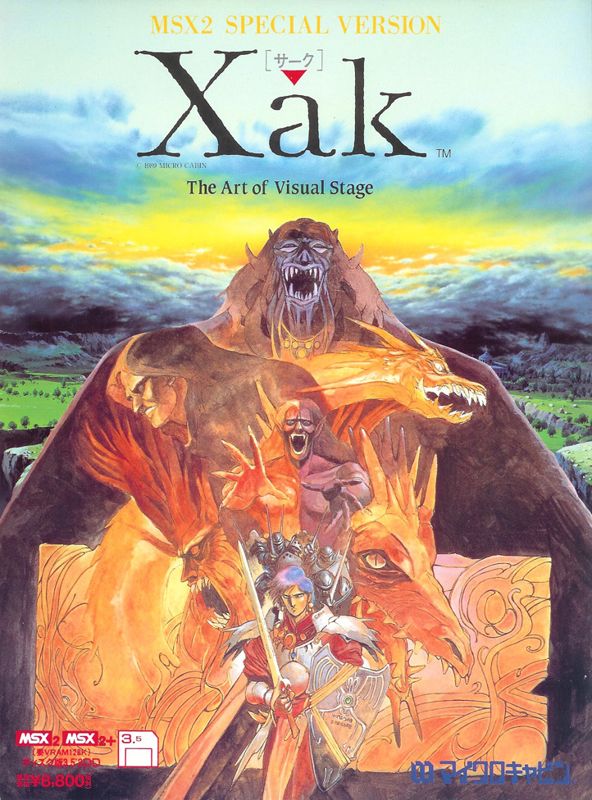
Xak: The Art of Visual Stage places you directly in the shoes of Latok, a young warrior embarking on an epic quest to save his kingdom from the demon Badu. The core gameplay loop revolves around real-time combat in both outdoor environments and dungeon interiors. You’ll slash through hordes of enemies, dodge projectiles, and discover the timing windows for your special attacks. The intuitive control scheme makes every battle feel responsive, even as the screen fills with foes.
(HEY YOU!! We hope you enjoy! We try not to run ads. So basically, this is a very expensive hobby running this site. Please consider joining us for updates, forums, and more. Network w/ us to make some cash or friends while retro gaming, and you can win some free retro games for posting. Okay, carry on 👍)
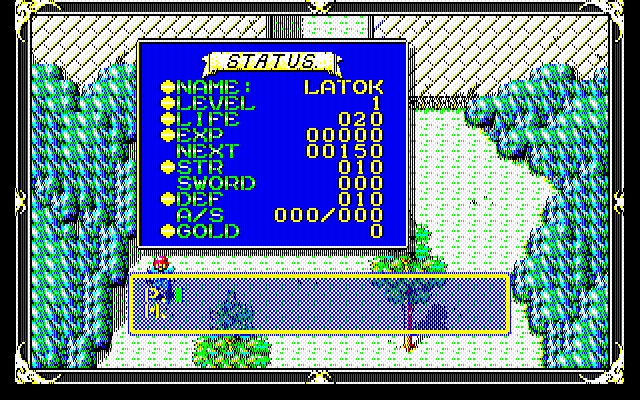
Progression is driven by a straightforward experience‐point system. Each defeated enemy grants Latok XP, and leveling up boosts his stats automatically. This encourages continuous exploration of new areas and revisiting earlier stages with fresh strength. Certain weapons and armor have minimum level requirements, adding an extra layer of strategy: you must decide whether to press forward for new gear or grind earlier sections to reach the threshold.
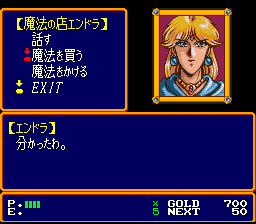
Exploration itself is varied and rewarding. Overworld areas feature secret passages and hidden treasures, while dungeons challenge you with puzzles, switch triggers, and environmental hazards. The balance between action and exploration keeps the pace brisk—there’s rarely a dull moment. Occasional NPC interactions in towns provide context and side tasks, though the emphasis remains firmly on action RPG mechanics.
One minor drawback is that, on higher difficulties, enemy damage spikes can feel unforgiving, especially if you skim past town visits and fail to stock up on healing items. However, careful leveling and judicious use of potions usually offset this, making the challenge more of a rewarding hurdle than a frustrating barrier.
Graphics
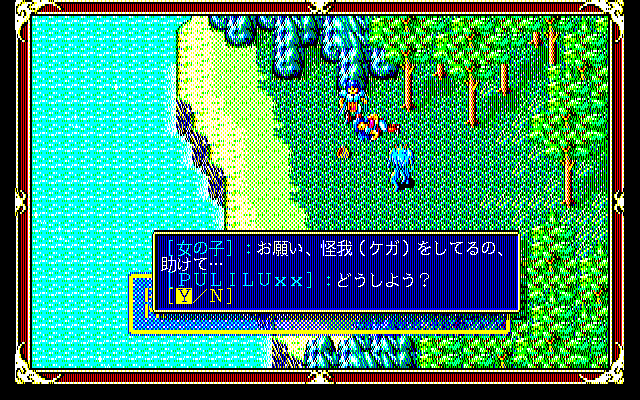
Visually, Xak: The Art of Visual Stage embraces the classic 16-bit aesthetic. Character sprites are detailed for their era, with animations that convey weight and motion. Latok’s sword swings have satisfying arcs, and enemy animations—whether they’re goblins, sorcerers, or the occasional mini‐boss—are distinct and memorable. The color palette is bright without feeling garish, and each locale has its own visual identity.
Backgrounds showcase a surprising level of artistry. Forests glimmer with animated leaves, mountain passes display craggy rock textures, and icy caves where Badu’s prison once stood have an atmospheric chill conveyed through subtle blue tones and shimmering ice effects. Parallax scrolling in outdoor zones adds depth, making the world of Xak feel expansive.
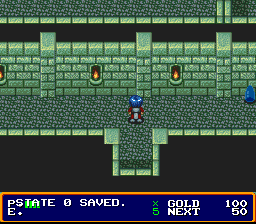
Dungeon designs lean into thematic cohesion. Fiery caverns glow with molten rock, while labyrinthine catacombs are draped in skeletal motifs. Trap animations—like falling spikes or swinging blades—are telegraphed clearly, allowing you to react if you’re paying attention. Even two decades after its release, the game’s visual style retains a nostalgic charm that modern players can appreciate as both retro-loving and artful.
It’s worth noting that screen resolution limitations of the period can make some fine details hard to discern, and the limited color depth occasionally causes dithering in shadowed areas. These quirks, however, contribute to the game’s vintage appeal rather than detract from it.
Story
The narrative setup in Xak: The Art of Visual Stage is classic high fantasy. You learn early on that 250 years ago, the god Duel sealed Badu away in ice, only to have the demon reemerge and sow chaos anew. This backstory is drip‐fed through NPC conversations and short cutscenes, setting the stage for Latok’s personal quest. Although Latok begins as a stand-in for his missing father, his youthful determination quickly endears him to the player.
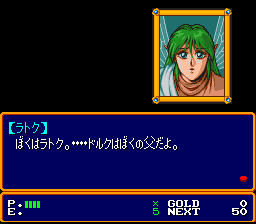
Dialogue is concise but effective, conveying urgency without excessive exposition. Townsfolk react to the growing demon threat, merchants lament lost pilgrims, and sages share snippets about Badu’s powers. These interactions, while brief, add emotional weight to Latok’s journey—he’s not just leveling up for fun, but to restore hope to Wavis and defeat the ancient evil.
As you progress, the storyline unfolds through key boss encounters and scripted events. Each major showdown with Badu’s lieutenants reveals new aspects of the demon’s scheme, building up to the final confrontation. The pacing is well-measured: between action set-pieces you have time to breathe, upgrade gear, and delve into side areas. This ebb and flow of narrative tension supports the game’s momentum.
Though the plot doesn’t veer into complex moral ambiguity, it leans hard into classic heroism, which is part of its charm. Latok’s arc—from impetuous youngster to seasoned warrior—plays out through both scripted moments and player‐driven growth, giving you a genuine sense of achievement when you finally face Badu himself.
Overall Experience
Xak: The Art of Visual Stage delivers a satisfying blend of action, exploration, and RPG progression. The tight combat mechanics and clear level‐up structure keep you engaged, while the environmental variety ensures you never feel like you’re on autopilot. For fans of retro action RPGs, it stands out as a pioneering title that balances accessibility with rewarding challenge.
The musical score, featuring upbeat battle tunes and atmospheric dungeon themes, complements each area without ever feeling repetitive. Sound effects—clanging sword strikes, enemy roars, item pickups—are crisp and immediately recognizable, enhancing the overall immersion. Together with the pixel-perfect graphics, the audio design reinforces Xak’s timeless appeal.
Replayability is high: you can revisit earlier zones with enhanced gear to uncover overlooked secrets, or push straight toward the finale for a streamlined run. For completionists, hunting every hidden room and maxing out Latok’s equipment provides dozens of hours beyond the main storyline. Occasional challenge spikes encourage mastery of combat mechanics, making each victory feel earned.
Ultimately, Xak: The Art of Visual Stage is a delightful throwback that still resonates today. Its combination of brisk action, charming visuals, and a straightforward yet engaging narrative makes it a strong recommendation for anyone seeking a classic action RPG experience. Whether you’re exploring icy caverns or facing off against towering bosses, Latok’s quest offers enough depth and nostalgia to satisfy both new players and longtime genre enthusiasts.



Reviews
There are no reviews yet.