 Retro Replay Retro Replay gaming reviews, news, emulation, geek stuff and more!


Retro Replay Review
Gameplay
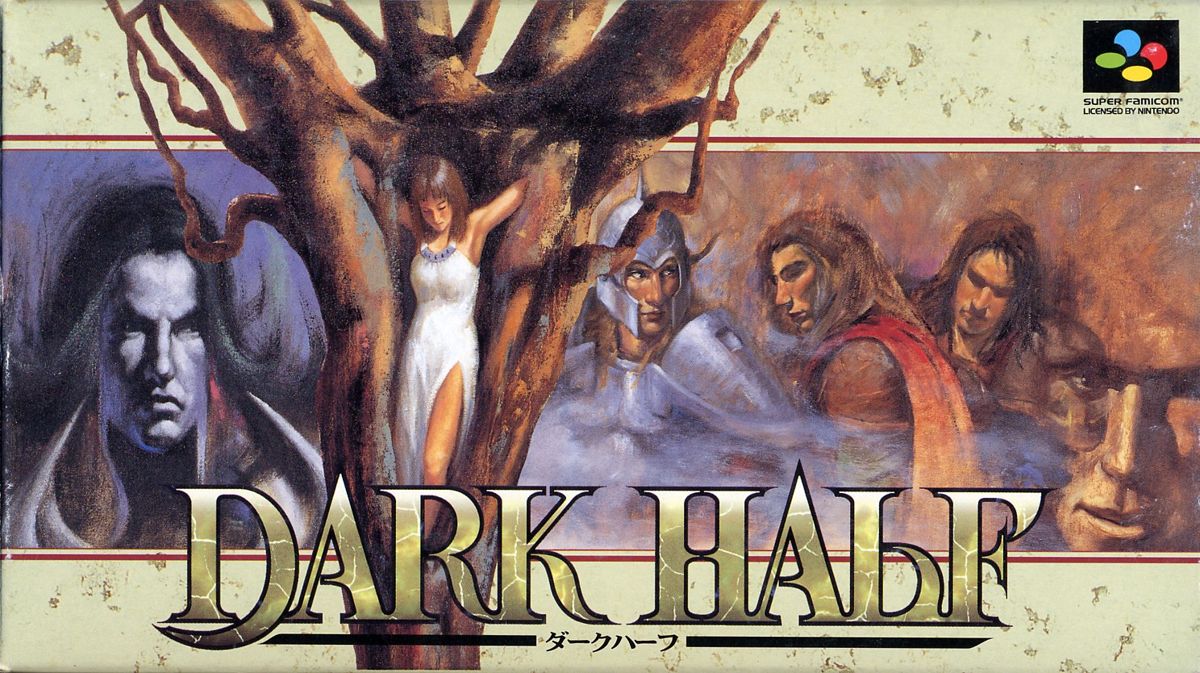
Dark Half stands out in the RPG landscape by offering a dual-perspective journey: you alternate control between the hero-god Roda and the demon-lord Rukyu in successive chapters. This chapter-based structure creates a compelling push-pull of narrative progression, as you experience both sides of the conflict firsthand. Each protagonist brings unique mechanics to the table—Roda wields scroll-based magic after battles, while Rukyu channels a regenerating “Soul Power” pool for his sorceries—ensuring that neither playthrough feels repetitive.
(HEY YOU!! We hope you enjoy! We try not to run ads. So basically, this is a very expensive hobby running this site. Please consider joining us for updates, forums, and more. Network w/ us to make some cash or friends while retro gaming, and you can win some free retro games for posting. Okay, carry on 👍)
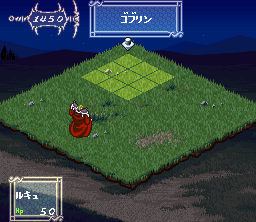
The battle system utilizes an isometric, grid-based battlefield where positioning and movement greatly influence combat outcomes. Despite relying on random encounters, the strategic depth shines through as you arrange party members, exploit elemental weaknesses, and time your spells. Battles can be brisk affairs when you’ve leveled up appropriately, but sudden difficulty spikes—especially during Rukyu’s stages—keep you on your toes and encourage careful resource management.
Exploration unfolds across interconnected regions, from ruined temples to shadow-haunted forests. While traversal is mostly linear due to the chapter segmentation, secret paths and hidden treasures reward diligent players. Party customization remains moderate: you recruit allies with distinct abilities, but gear variety leans heavily toward magical trinkets. Still, balancing who joins Roda’s holy crusade versus Rukyu’s dark entourage adds another layer of strategy to your progression.
Graphics
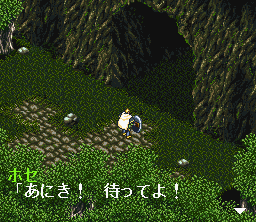
Visually, Dark Half embraces a classic 16-bit isometric style that will resonate with fans of retro RPGs. Character sprites are sharply defined, with clear animations for walking, casting spells, and attacking. Though the color palette favors moody blues and purples during Rukyu’s chapters, the bright, golden hues of Roda’s sections provide a pleasing contrast that reinforces the thematic split between light and darkness.
Environmental detail is noteworthy: crumbling ruins feature cracked pillars and overgrown vines, while the demon realm glows with ominous magma pools and shifting shadows. Subtle lighting effects—such as a torch’s flicker or a spell’s glow—add atmosphere without taxing system performance. The isometric viewpoint also does a fine job conveying depth, though it occasionally introduces minor pathfinding frustrations when tight corridors obscure corners.
Menu and UI design strike a balance between functionality and style. Magic scrolls and Soul Power gauges are displayed prominently, ensuring you never lose track of critical resources. Equipment icons are easily distinguishable, and inventory screens adopt a grid layout that mirrors the in-battle squares, providing visual continuity. Overall, Dark Half’s presentation may not push modern graphical boundaries, but its cohesive artistry and polished animations deliver a satisfying visual package.
Story
The narrative of Dark Half is rooted in ancient dualities: “Through the Light came the Darkness, and through the Darkness came the Light.” This mythic framing sets the stage for the primordial conflict between Roda, the divine hero-god presumed dead, and Rukyu, the great demon-lord. As both protagonists awaken and journey toward an inevitable clash, you glean insights into each one’s motivations—Roda’s vow to vanquish evil versus Rukyu’s relentless pursuit of destruction.
By alternating chapters, the game subverts the typical hero-centric storyline. You witness Rukyu’s machinations firsthand, from summoning dark minions to corrupting townsfolk, which humanizes the villain without fully redeeming him. Conversely, Roda’s quest, though righteous, sometimes feels naive in the face of cosmic darkness. This narrative interplay fosters empathy for both sides and raises philosophical questions about the nature of good, evil, and the gray space in between.
Pacing-wise, early chapters move swiftly as you learn basic mechanics, but midgame digressions into lore-heavy dungeons can stall momentum. Key revelations—such as hidden ties between Roda and Rukyu—arrive with satisfying dramatic weight, yet a few side quests feel underdeveloped. Still, the climactic convergence of the two storylines delivers an emotionally charged finale that rewards your investment in both protagonists’ arcs.
Overall Experience
Dark Half succeeds as a thoughtful twist on the traditional RPG formula. Its dual-chapter approach offers high replay value, encouraging you to ponder how choices made by Roda affect Rukyu’s world and vice versa. While random encounters and occasional backtracking may test your patience, the strategic combat and rich chapter-to-chapter variation keep the experience fresh.
The game’s difficulty curve leans toward challenging, particularly in sections where resource scarcity forces tough decisions: do you preserve your last Soul Power burst or press on for more experience? This tension is a highlight for veterans of turn-based RPGs, though newcomers might need time to acclimate. Thankfully, the clear UI and straightforward spellcasting system make the learning curve manageable.
In sum, Dark Half offers a compelling mix of strategic gameplay, evocative pixel art, and a narrative that questions the very essence of heroism and villainy. Whether you’re drawn to intricate grid-based battles or rich storytelling from both light and dark perspectives, this title provides a memorable journey that stands apart in the crowded RPG field.


Reviews
There are no reviews yet.