 Retro Replay Retro Replay gaming reviews, news, emulation, geek stuff and more!


Retro Replay Review
Gameplay
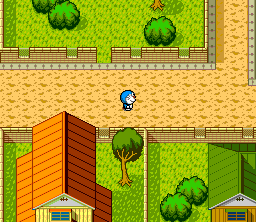
Doraemon 2: Nobita no Toys Land Daibōken delivers a charming blend of exploration and platform action that will appeal to both young fans and seasoned players. During exploration segments, you guide Doraemon or one of his five friends through vibrant town streets, conversing with toy inhabitants and uncovering hidden entrances to platform stages. These peaceful interludes offer a lighthearted break from the more intense obstacle courses, giving players a chance to soak in the world-building and pick up useful items.
(HEY YOU!! We hope you enjoy! We try not to run ads. So basically, this is a very expensive hobby running this site. Please consider joining us for updates, forums, and more. Network w/ us to make some cash or friends while retro gaming, and you can win some free retro games for posting. Okay, carry on 👍)
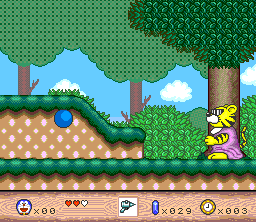
Once you enter a platform level, the pace picks up dramatically. Each stage presents a well-crafted gauntlet of pits, spikes, moving platforms, and a variety of mechanical foes. The level design strikes a satisfying balance between challenge and fairness: respawn points are generous, yet mastering the timing of jumps and weapon attacks remains crucial. Fans of the original Doraemon: Nobita to Yōsei no Kuni will recognize the familiar structure, but Toys Land’s whimsical traps and themed hazards add fresh twists.
Character selection adds another layer of strategy, as each of the six playable heroes brings unique strengths to the table. While all characters share basic jump and attack functions, some excel at long-range gadget use—thanks to Doraemon’s futuristic tools—whereas others boast superior agility or defense. This variety encourages replaying stages with different heroes to discover alternative paths or hidden collectibles, boosting the game’s replay value.
Graphics
The visual presentation in Doraemon 2 is a colorful tribute to Fujiko F. Fujio’s original manga aesthetic. Character sprites are faithfully rendered with expressive animations that capture the personalities of Doraemon, Nobita, Shizuka, Gian, Suneo, and their friends. Environments in Toys Land brim with vivid hues and playful details, from toy soldiers patrolling castle walls to oversized building blocks floating in the sky.
Background art deserves special acclaim: hand-painted skies, rolling landscapes of candy-colored hills, and intricately designed toy villages create a sense of immersion uncommon in platform titles of this era. Even minor details—like wind-up key shadows or the creaking of wooden see-saws—are visually communicated, enhancing the overall atmosphere. Transitions between exploration zones and platform levels are smooth, with minimal loading interruptions.
Particle effects and lighting work in tandem to emphasize key gameplay moments. Explosions from self-destructing platforms send sparkly fragments across the screen, while collectible power-ups glow distinctively against darker stage backdrops. Though the hardware imposes some sprite flickering in the most action-packed scenes, the overall frame rate remains stable, ensuring that visual flair never comes at the cost of playability.
Story
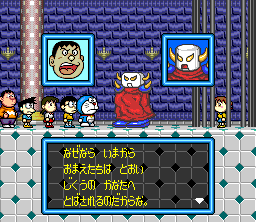
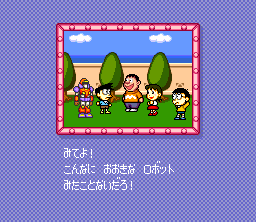
The narrative in Doraemon 2 picks up the timeless premise of Nobita and his friends embarking on a grand adventure, fortified by Doraemon’s futuristic gadgets. This time, the journey leads them to the enchanting realm of Toys Land—a kingdom under siege by rogue toys gone haywire. The opening cutscenes establish the stakes quickly, as toy citizens plead for help and Doraemon consults his pocket of wonders for a solution.
While the main plot follows a straightforward rescue mission, subtle touches of humor and character interplay shine throughout. Nobita’s well-meaning clumsiness, Shizuka’s kindness, Gian’s boisterous bravado, and Suneo’s occasional scheming are all woven into dialogue exchanges during exploration segments. These moments not only break up the gameplay but also reinforce the camaraderie that defines the Doraemon universe.
Boss encounters at key story junctures heighten the drama, with each toy overlord flaunting unique abilities and thematic stage hazards. Defeating these foes feels like climactic milestones, rewarding players with new story beats and fresh information about Toys Land’s history. Though the overarching narrative remains light and family-friendly, it maintains enough momentum to keep players invested from start to finish.
Overall Experience
Doraemon 2: Nobita no Toys Land Daibōken strikes a delightful balance between accessibility and depth. Younger audiences will find its intuitive controls and colorful presentation appealing, while veteran platformer enthusiasts can challenge themselves by seeking out every collectible and mastering each character’s gadget arsenal. The alternating rhythm of exploration and action keeps the gameplay loop engaging, minimizing repetition.
Replayability is bolstered by multiple playable characters and hidden secrets scattered throughout Toys Land. Completing stages with different heroes often yields unique dialogue snippets or unlocks secret passages, encouraging players to revisit past levels. This design choice extends the game’s lifespan, making it more than just a one-and-done adventure.
Overall, Doraemon 2 is a charming, well-executed platformer that captures the heart of the beloved manga series. Its vibrant graphics, varied gameplay mechanics, and lighthearted storytelling come together to create an engaging experience suitable for all ages. Whether you’re a Doraemon aficionado or simply on the lookout for a family-friendly action game, this title promises hours of enjoyment and nostalgic thrills.


Reviews
There are no reviews yet.