 Retro Replay Retro Replay gaming reviews, news, emulation, geek stuff and more!

Retro Replay Review
Gameplay
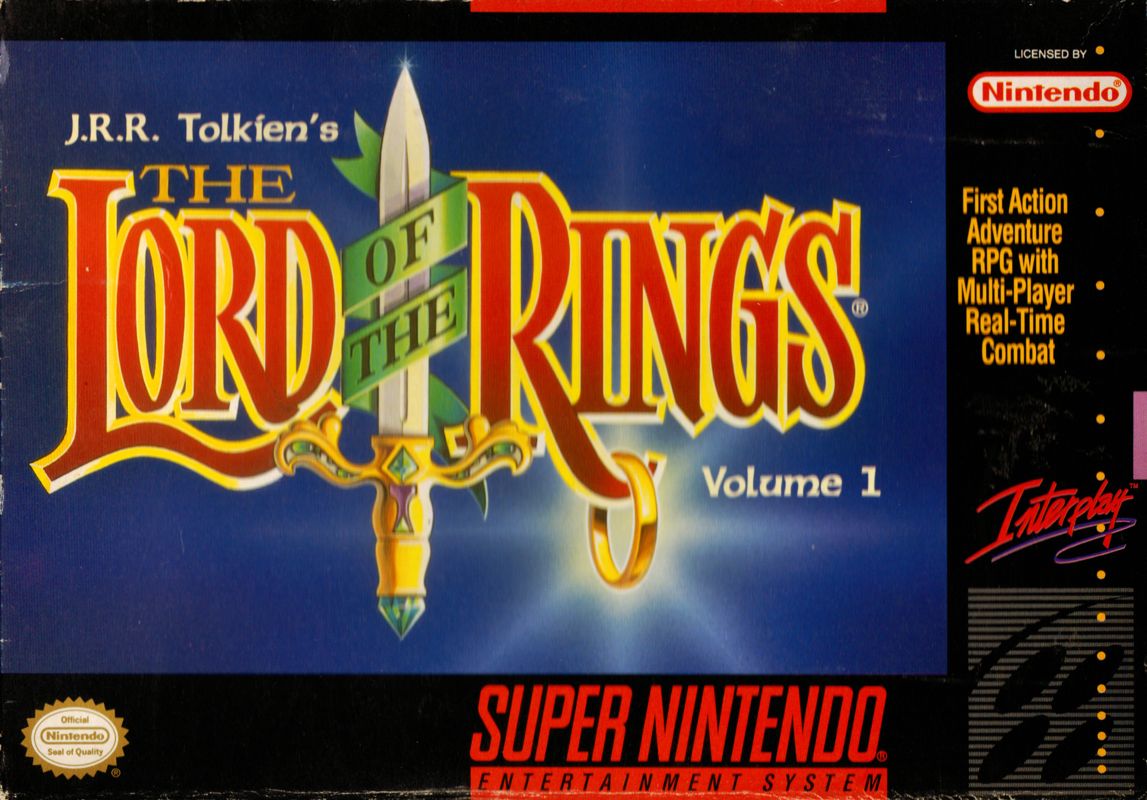
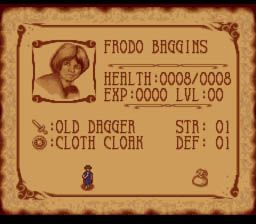
The gameplay in J.R.R. Tolkien’s The Lord of the Rings: Volume One places a strong emphasis on action-based combat and straightforward mission objectives, marking a clear departure from the heavier role-playing elements of its computer game namesake. Players assume the role of Frodo Baggins and must navigate through various Middle-earth locales, completing quests that typically revolve around item retrieval and assisting NPCs. Unlike more expansive RPGs, character growth is streamlined: attributes remain mostly static, with progression tied to unlocking new areas and missions rather than leveling up through experience points.
(HEY YOU!! We hope you enjoy! We try not to run ads. So basically, this is a very expensive hobby running this site. Please consider joining us for updates, forums, and more. Network w/ us to make some cash or friends while retro gaming, and you can win some free retro games for posting. Okay, carry on 👍)
Party dynamics introduce an element of strategy, even though Frodo remains the central playable character at any given moment. As you rescue or befriend allies, they join your quest, but only one character can be controlled at a time. This design choice is balanced by a four-player multiplayer option, allowing friends to take on the roles of Samwise, Merry, and Pippin simultaneously. While this cooperative feature is a welcome addition, it can feel cramped on smaller screens, and players must frequently switch control or coordinate in close quarters.
Progression hinges on a password-based save system rather than in-cartridge battery backup, requiring you to jot down codes at save points and re-enter them when resuming your adventure. This old-school approach may frustrate those accustomed to instant resume features, but it also fosters a sense of stakes and commitment to each play session. Combat sequences are brisk and demand timing rather than deep tactical planning, which can be enjoyable for short bursts but may feel repetitive over extended play.
Graphics
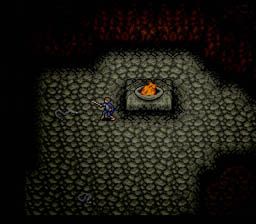
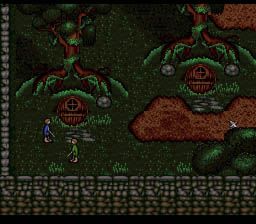
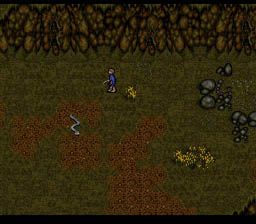
Visually, Volume One captures the spirit of Tolkien’s world within the technical confines of its platform. Environments such as the rolling hills of the Shire, the rustic lanes of Bree, and the misty hills surrounding Rivendell are represented through vibrant, top-down 2D sprites and richly colored tile sets. While not groundbreaking by modern standards, the game’s art direction communicates a distinct sense of place that longtime fans will appreciate.
Character sprites are detailed enough to distinguish each hobbit and occasional enemy or NPC, though animation frames are limited. Combat animations—slashing sword strikes, hobbit tumbles, and the odd magical effect—play out smoothly, with only occasional slowdown when multiple enemies converge. Backgrounds often feature parallax scrolling or layered tiles, lending a modest depth to treelined paths and interior spaces alike.
Cutscenes and dialogue boxes use simple portraits and text-heavy narration rather than full-motion animation or voice work, reinforcing the game’s roots in classic handheld RPGs. Despite this, the developers have included occasional illustrated interludes to highlight major plot beats, adding visual flair without taxing system memory. Overall, the graphical presentation succeeds in evoking Middle-earth’s charm, even if it lacks the polish of console or PC adaptations.
Story
The narrative arc in The Lord of the Rings: Volume One closely follows the opening chapters of Tolkien’s first volume, guiding Frodo from Bag End through Bree and into the perilous foothills beyond. Major beats—such as the gathering of the Fellowship’s hobbit members and key interactions with characters like Strider—are faithfully represented, though certain events are reordered or simplified to fit the game’s episodic mission structure. You’ll find familiar moments, like delivering mysterious rings or confronting minor foes, but the experience is less dense with lore than what you might expect from a deeper RPG.
Dialogue is conveyed through on-screen text, accompanied by static character illustrations and atmospheric background music. This approach highlights the story’s essential elements without bogging down pacing with lengthy cutscenes. Side quests often tie back into the main plot by rewarding you with lore tidbits or unlocking new areas, fostering a sense of narrative cohesion even as you wander off to fetch herbs or rescue stranded allies.
Character development remains subtle: Frodo’s sense of duty and occasional weariness is implied rather than explicitly voiced, and party members lack extensive personal arcs. However, seeing beloved hobbits join your party and watching the quest unfold across maps evokes nostalgia for fans of the books. While newcomers may find the story’s depth limited compared to modern story-driven titles, the game succeeds in delivering a concise, approachable taste of Tolkien’s world.
Overall Experience
J.R.R. Tolkien’s The Lord of the Rings: Volume One offers an engaging, if modest, entry into Middle-earth for handheld or entry-level console audiences. Combat-focused gameplay and a streamlined quest structure make it ideal for quick sessions, while the multiplayer feature provides a fun cooperative twist. The password save system adds an old-school charm, though it may feel cumbersome to those used to seamless resume capabilities.
Graphically, the game punches above its weight with colorful, evocative environments and expressive sprite work that capture the essence of the Shire and beyond. Performance remains steady even during hectic battles, and occasional illustrated sequences help punctuate story moments. While the narrative doesn’t delve deep into character psychology, it covers the key plot points of the first volume faithfully, offering a familiar journey for devoted Tolkien fans.
In summary, Volume One succeeds as a portable Lord of the Rings experience that prioritizes action and exploration over heavy role-playing mechanics. Its faithful adaptation of the source material, cooperative play option, and accessible gameplay loop make it a worthwhile pick for those who want to guide Frodo and his friends through the early stages of the Fellowship without committing to a more complex RPG. Newcomers will find a compact, entertaining adventure, and series veterans will appreciate the nostalgic nods to Tolkien’s iconic world.


Reviews
There are no reviews yet.