 Retro Replay Retro Replay gaming reviews, news, emulation, geek stuff and more!
Retro Replay Review
Gameplay
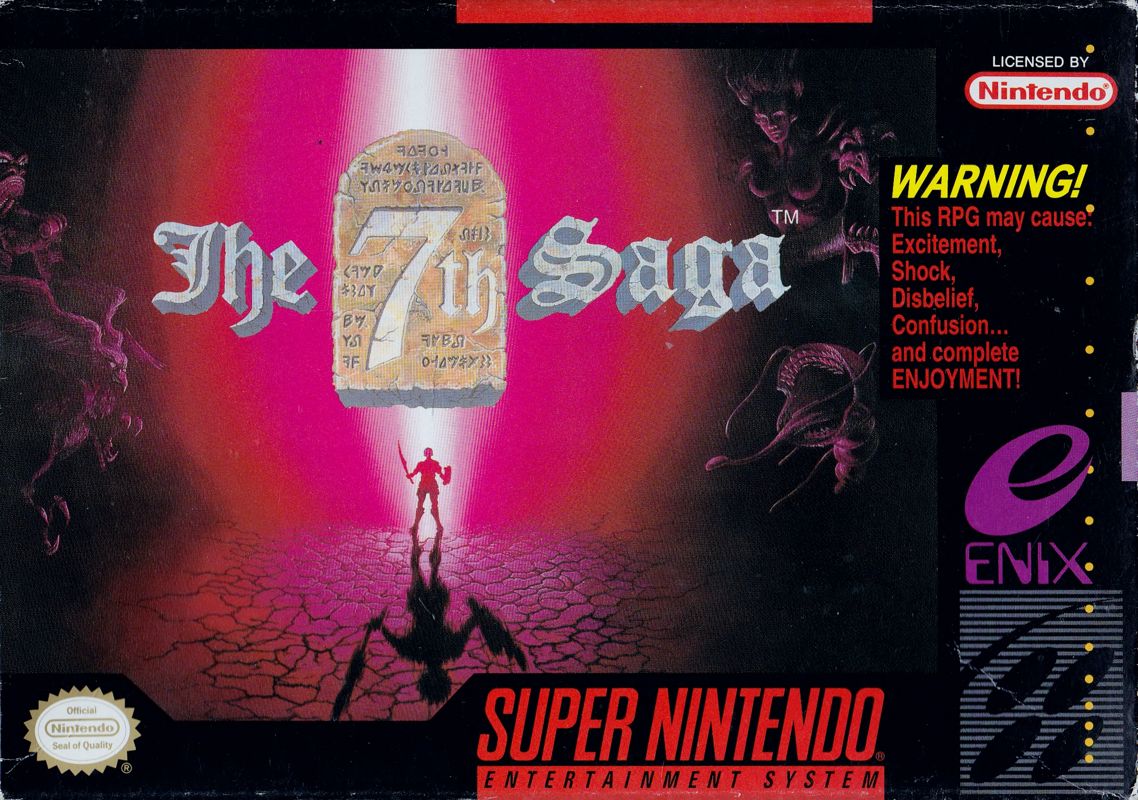
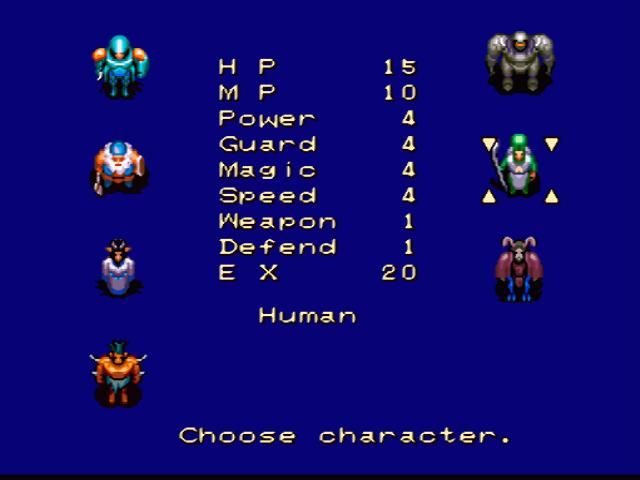
The 7th Saga delivers a classic JRPG experience centered on exploration and strategic combat. Your journey begins by selecting one of seven unique characters, each with distinct starting stats, weapon proficiencies, and magical affinities. This diversity not only shapes your early-game strategy but also encourages multiple playthroughs to experience different approaches to battles and equipment management.
(HEY YOU!! We hope you enjoy! We try not to run ads. So basically, this is a very expensive hobby running this site. Please consider joining us for updates, forums, and more. Network w/ us to make some cash or friends while retro gaming, and you can win some free retro games for posting. Okay, carry on 👍)
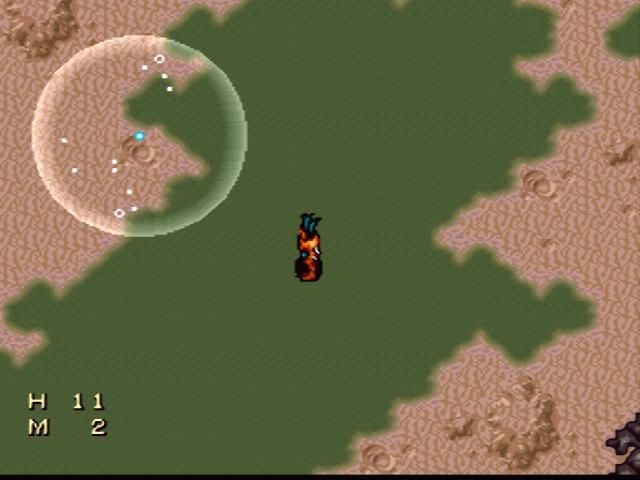
Exploration in Ticondera unfolds on an expansive overworld where enemies are invisible yet ever-present. Rather than random encounter bells and whistles, you rely on a radar map to detect nearby foes as white dots. While this mechanic adds tension—since you never know exactly where the monster will strike—it can also feel restrictive when you’re trying to avoid tougher enemies on the map.
Once combat is initiated, the perspective shifts from 2.5D to an over-the-shoulder semi-3D view that highlights individual character models and their attacks. Battles play out in a strict turn-based format, with each character’s speed determining attack order. Magic users unleash elemental spells while warriors rely on swordplay and brute force. This clear distinction between melee and magic builds allows you to tailor your party composition and strategy to your preferred style.
Character progression is traditional yet deep: you gain experience points to level up, boosting health, magic points, and key attributes like attack and defense. Equipping new weapons, armor, and accessories found in dungeons or purchased in town provides a satisfying sense of growth. Occasional boss fights test your preparation and often require grinding or revisiting earlier areas to ensure you’re strong enough to proceed.
Graphics
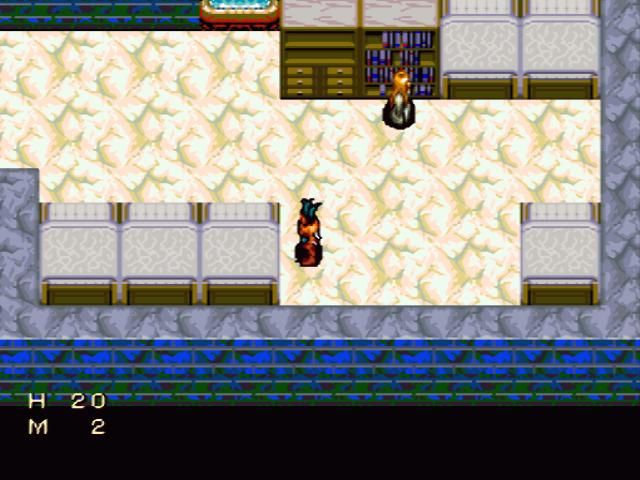
The visual presentation of The 7th Saga sits comfortably between 2D and early 3D aesthetics. The overworld and dungeon maps utilize detailed pixel art that captures the rustic fantasy feel of Ticondera. From verdant forests to icy caverns, each environment has its own charm, though sprite repetition can become noticeable during prolonged exploration.
When combat begins, the camera shifts to a semi-3D vantage point that places you just behind your character. This effect, while modest by modern standards, was ambitious for its time and still provides a dynamic viewpoint of spell animations and sword clashes. Character models become larger and more detailed, making each special attack or magic spell visually rewarding.
Spell effects, in particular, stand out with vibrant color trails and elemental flares that pop against the darker battle background. While the animations are relatively simple, they convey the impact and power of your abilities effectively. Enemy designs range from classic goblins and skeletons to more imaginative dragon- and demon-like creatures, offering variety to break up the visual monotony.
Overall, the graphics strike a nostalgic balance: they won’t win awards for realism, but they support gameplay clarity and maintain a consistent art direction that enhances the game’s old-school charm.
Story
At its core, The 7th Saga is a quest narrative: recover the seven powerful crystals scattered across Ticondera and ascend to godhood. Each crystal is rumored to grant unimaginable power, and legends hint at both salvation and destruction. This high-stakes premise fuels your journey through diverse regions, from desert ruins to snowy peaks.
While the main storyline is straightforward, character backstories add flavor. Choosing a wizard, knight, or thief isn’t just a mechanical decision: each candidate has personal ambitions and motivations. Though the game doesn’t delve deeply into dialogue branches, occasional interactions with rival crystal seekers provide glimpses of rivalries and alliances that enrich the narrative.
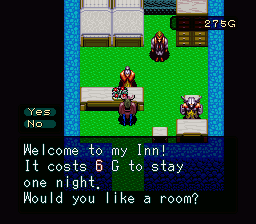
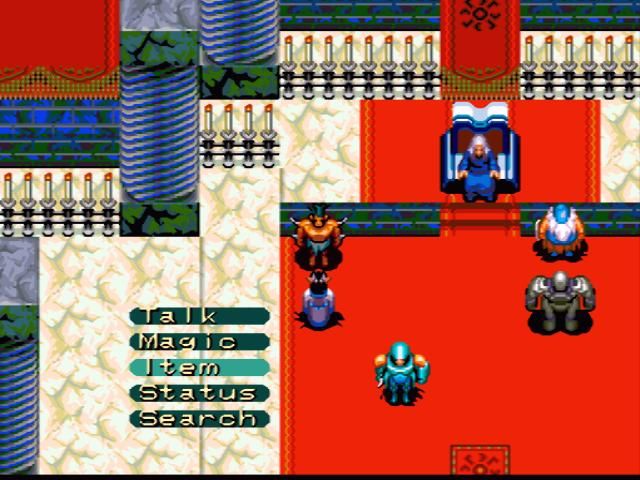
Your adventure is punctuated by NPCs offering lore tidbits, side quests, and hints about crystal locations. Though some towns feel underpopulated and dialogue can be sparse, the world-building pieces you collect—ancient tablets, royal decrees, and whispered legends—help paint a vivid picture of Ticondera’s history and politics.
Despite its minimalistic storytelling compared to modern titles, The 7th Saga’s sense of mystery and the constant allure of hidden treasures keep you motivated. The narrative stakes remain ever-present, driving exploration and combat in equal measure.
Overall Experience
The 7th Saga stands as a testament to the golden age of JRPGs, delivering deep gameplay mechanics wrapped in challenging encounters. The radar-based enemy detection and semi-3D combat view set it apart from genre contemporaries, for better or worse. Newcomers to retro RPGs may find the difficulty curve steep, but players who embrace the grind will appreciate the payoff of well-earned victories.
Replay value is significant due to the seven protagonist choices. Each character’s unique magic schools or weapon styles change how you tackle dungeons and bosses. Trying to master all seven builds extends the game’s lifespan well beyond a single completion.
While the absence of visible overworld enemies can sometimes feel like an artificial obstacle, it also heightens suspense and forces strategic use of the radar. Inventory management, town visits for healing, and careful spell selection all tie into the game’s rewarding risk-reward loop. Patience and planning are rewarded, making every crystal you secure feel triumphant.
For fans of classic turn-based RPGs who don’t mind a bit of grinding and retro presentation, The 7th Saga offers a robust, nostalgic adventure. Its combination of variety, strategic depth, and old-school difficulty cements its place as a memorable, if sometimes unforgiving, journey through a richly imagined fantasy realm.


Reviews
There are no reviews yet.