 Retro Replay Retro Replay gaming reviews, news, emulation, geek stuff and more!
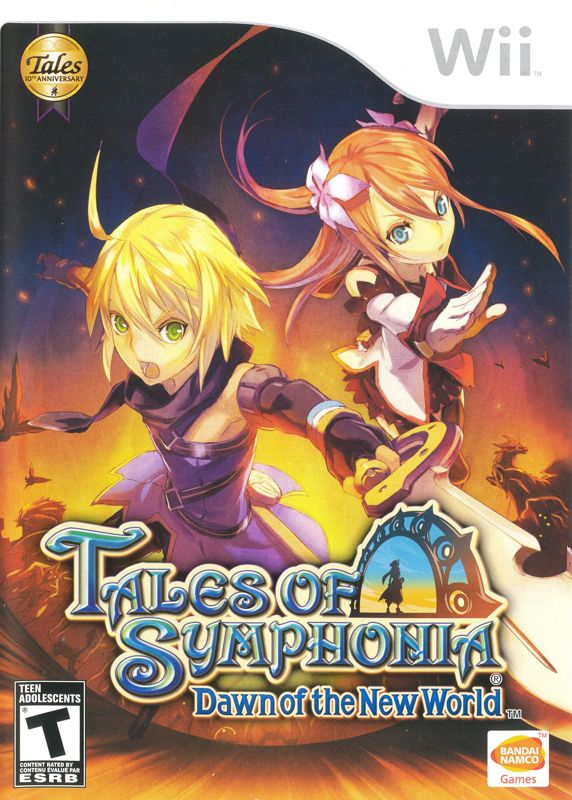
Retro Replay Review
Gameplay
Tales of Symphonia: Dawn of the New World evolves the familiar series formula by blending classic real-time skirmishes with a deep creature-capturing system. Players navigate Emil Castagnier and his growing party across a dynamic overworld, talking to villagers, solving light puzzles, and triggering random encounters. The transition from exploration to combat is seamless, keeping the pace brisk and minimizing downtime between plot points and battles.
(HEY YOU!! We hope you enjoy! We try not to run ads. So basically, this is a very expensive hobby running this site. Please consider joining us for updates, forums, and more. Network w/ us to make some cash or friends while retro gaming, and you can win some free retro games for posting. Okay, carry on 👍)
Combat takes place on a 3D battlefield where up to four characters duke it out in real time. You directly control one hero—usually Emil or Marta—while the AI handles allies unless you’re collaborating with friends. The inclusion of the Wii Remote and Nunchuk adds a tactile dimension: you slash and weave with gestures, cast spells with button combinations, and activate Artes on the fly. It’s responsive enough to feel like an evolution of the traditional Tales “Linear Motion Battle System.”
Where Dawn of the New World really stands out is in its robust monster-capturing mechanic. Over 200 distinct beasts roam the lands, each with unique skills and elemental affinities. By weakening foes and using special capture items, you can recruit these monsters into your ranks. Training them, fusing their abilities, and customizing their roles adds layers of strategic depth. This side of the game is practically a game within a game, offering countless hours of post-story engagement as you assemble the ultimate fighting force.
Graphics
Graphically, Dawn of the New World feels like a lovingly polished chapter in the Symphonia saga. The cel-shaded character models capture the original game’s anime-inspired aesthetic, preserving expressive faces and fluid animations. Cutscenes are well-directed, blending static art with subtle motion to highlight emotional beats without demanding the hardware capabilities of modern consoles.
The dual-world concept shines through environmental design. Sylvarant’s lush forests and crystalline lakes stand in stark contrast to Tethe’alla’s industrial complexes and dusty plains. With the climate in flux—deserts freezing over and wetlands drying into barren valleys—the game world feels alive and unpredictable. Weather effects like swirling sandstorms or sudden ice flurries heighten immersion during exploration and boss encounters alike.
Details such as glinting weapon trails, elemental spell effects, and dynamic camera angles further elevate the visual experience. While the Wii’s hardware limits polygon counts, clever art direction ensures that each locale has its own distinct personality. From quaint villages to foreboding dungeons, the world is a feast for the eyes and conveys the game’s overarching themes of imbalance and renewal.
Story
Dawn of the New World picks up after the climactic events of the original Tales of Symphonia, with Lloyd Irving and his allies having fused Sylvarant and Tethe’alla into a single realm. But unity breeds discord: sudden climate shifts and technological disparities ignite the “Blood Purge,” a tragic conflict that sets the stage for the new narrative. This fractured peace lends an air of urgency and poignancy as readers uncover the fallout of Lloyd’s triumphant decision.
Players step into the shoes of Emil Castagnier, a young man traumatized by the death of his parents at Lloyd’s hands. Driven by vengeance, Emil’s journey to hunt the hero he once admired becomes an emotional rollercoaster as he crosses paths with Marta Lualdi, a shy girl fleeing Sylvaranti soldiers, and Richter Abend, a stoic guardian with mysterious motives. Their triangle of grief, hope, and duty forms the heart of the story, exploring themes of forgiveness and redemption.
The narrative unfolds through a mix of lighthearted banter, tense confrontations, and heart-wrenching revelations. Returning characters make cameo appearances, providing fan service without overwhelming new players. As alliances shift and secrets come to light, the plot maintains a steady momentum, culminating in a finale that ties up loose threads while leaving room for player interpretation and future adventures.
Overall Experience
Tales of Symphonia: Dawn of the New World delivers a multifaceted JRPG experience that balances familiar mechanics with ambitious new ideas. If you’re craving real-time action RPG combat infused with monster collection, this entry has plenty to offer—especially for fans of the series seeking a fresh perspective on a beloved world. The pacing is brisk, the battles are engaging, and the side-quests cater to completionists.
That said, the game isn’t without its rough edges. Some dungeon layouts can feel repetitive, and the reliance on random encounters may frustrate players who prefer scripted battles. A handful of boss fights lean heavily on grind, which can break narrative tension. However, the sheer volume of content—from the main story to optional monster tournaments—means you’ll never be short on things to do.
In the end, Dawn of the New World stands as a worthy follow-up to Tales of Symphonia. Its blend of heartfelt storytelling, vibrant world-building, and innovative gameplay systems ensures that both veterans and newcomers will find something to love. Whether you’re in it for the drama of Emil’s quest or the lure of capturing every creature, this adventure offers a rich, lasting experience on the Wii.


Reviews
There are no reviews yet.