 Retro Replay Retro Replay gaming reviews, news, emulation, geek stuff and more!
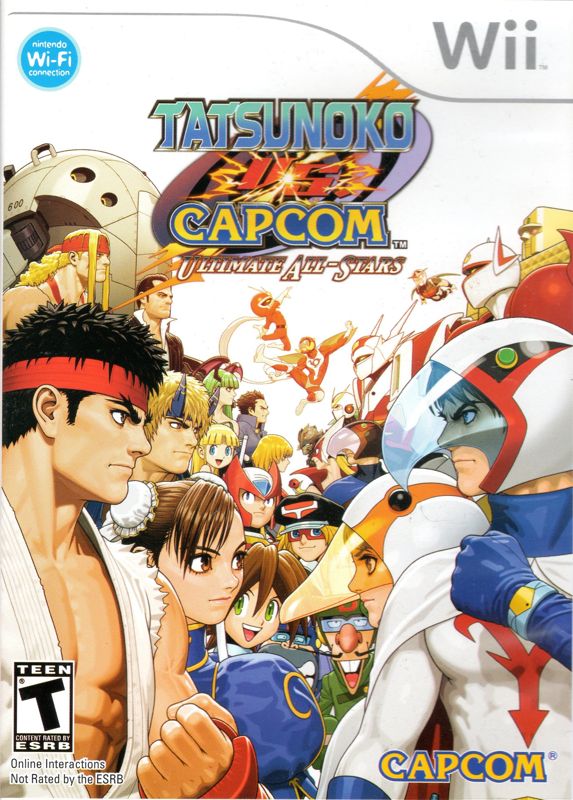
Retro Replay Review
Gameplay
Tatsunoko vs. Capcom: Ultimate All-Stars builds on the core 2D fighting mechanics of the original release, introducing smoother combos, refined hitboxes, and faster recovery animations that streamline the flow of battles. The signature partner-swap system remains at the heart of combat, encouraging players to strategize tag-ins and maximize team synergy. This refined gameplay strikes a satisfying balance between accessibility for newcomers and depth for seasoned fighters.
(HEY YOU!! We hope you enjoy! We try not to run ads. So basically, this is a very expensive hobby running this site. Please consider joining us for updates, forums, and more. Network w/ us to make some cash or friends while retro gaming, and you can win some free retro games for posting. Okay, carry on 👍)
One of the most notable additions in the Ultimate All-Stars edition is the robust online mode, which allows you to challenge opponents worldwide via ranked matches, casual lobbies, and spectator-friendly tournaments. The netcode feels stable for the most part, maintaining consistent frame rates even during intense, combo-heavy exchanges. Leaderboards and matchmaking filters help players find opponents of similar skill levels, ensuring a fair and competitive environment.
The expanded roster brings fresh strategic options to the table. On the Tatsunoko side, Joe the Condor’s aerial prowess and arcing projectiles add a zoning layer missing from the original, while Tekkaman Blade’s extendable blade and energy-based attacks create dynamic in-and-out rushdown. Yatterman-2’s comedic flair is more than cosmetic—his bouncing mecha partner can disrupt enemy approaches and set up surprise cross-ups.
Capcom’s additions are equally impactful. Frank West excels at mid-screen control with his “Flash” attack and customizable photo-based buffs, opening up creative combo pathways. Zero introduces a high-skill ceiling, blending swift sword strikes with charged buster shots for precise, flashy setups. Together, these newcomers invigorate the meta and encourage veteran players to rethink team compositions.
All returning characters, from Ryu’s fireball fundamentals to Ken the Eagle’s aerial dive assaults, feel as responsive as ever, with minor tweaks that reinforce their identity without overhauling their playstyles. The handful of balance changes—reduced cooldowns for certain hypers, adjusted damage scaling, and improved guard recovery—collectively refine the competitive experience, making every match feel fair and exhilarating.
Graphics
The Ultimate All-Stars update shines in its presentation, with vibrant, high-definition sprites that retain the charm of hand-drawn animation while benefiting from modern pixel density. Character models are crisp and colorful, and small touches—like the wind-swept feathers on Joe the Condor or the glowing energy of Zero’s saber—pop against the detailed backgrounds.
Stage design showcases memorable locales from both franchises, rendered in rich, layered environments. From the neon-lit cityscapes of Gatchaman to the ruined labs of Umbrella Corporation, each backdrop brims with interactive details and subtle animations, such as flickering lights or drifting debris, augmenting the sense of immersion without distracting from the action.
Special effects have also seen a significant upgrade. Hyper Combos and Super Arts now feature elaborate cut-ins, dynamic camera zooms, and particle effects that underscore the impact of finishing moves. When Frank West summons his camera flash or Tekkaman Blade unleashes a cosmic ray, the screen literally shines—heightening the drama of every cinematic exchange.
Loading times between menus and matches are minimal, keeping the pace brisk. Character select screens provide smooth animations of each fighter’s signature poses, and button-mapping graphics clearly indicate new control schemes. Even the UI has been polished: health bars, super meters, and online lobby icons are all cleanly legible, ensuring that crucial information is always easy to read.
Whether you’re fighting locally on a big-screen TV or competing online on a handheld device, the graphical fidelity holds up beautifully. The art direction honors both Tatsunoko’s vibrant anime aesthetic and Capcom’s classic arcade style, offering a cohesive visual experience that feels tailored to the crossover’s spirited tone.
Story
While Tatsunoko vs. Capcom: Ultimate All-Stars is primarily a fighting game, it weaves a lightweight storyline to frame the crossover encounters. An interdimensional disturbance draws heroes and villains from both universes into a single arena, pitting familiars like Ken the Eagle and Ryu against newcomers such as Zero and Tekkaman Blade. Though the narrative is simple, it provides just enough context to justify the eclectic matchups.
Cutscenes are brief but visually engaging, using dynamic camera angles and comic-style panels to depict each team’s motivations. The dialogue balances playful banter—Frank West quipping about cameras, Yatterman-2 cracking jokes—with dramatic tension when iconic rivals clash. These moments, though fleeting, inject personality into the roster and make each bout feel meaningful.
The narrative structure unfolds through Chapter Mode, where you select teams and advance through a branching map reminiscent of classic arcade ladders. Boss encounters feature specially animated intros and unique background music, giving a sense of progression and accomplishment as you overcome each stage. Completing multiple paths unlocks secret dialogues and artwork, rewarding exploration.
New story threads spotlight the added characters: Zero’s arrival is dramatized with a lightning strike sequence, while Joe the Condor stages a daring airborne infiltration against a Capcom fortress. These vignettes deepen fan appreciation by highlighting signature moves and thematic motifs from each franchise, effectively celebrating their legacies within the crossover universe.
Though not the primary draw, the story mode provides enough structure to guide solo players through the game’s content. It also serves as a tutorial de facto, introducing new mechanics—such as partner hypers and crossrush attacks—in a context that feels organic rather than tutorial bookish.
Overall Experience
Tatsunoko vs. Capcom: Ultimate All-Stars delivers a compelling package for both casual enthusiasts and competitive fighters. The balanced roster, combined with refined mechanics and online multiplayer, ensures a high replay value. Quick match modes and customizable settings cater to short play sessions, while the depth of combos and character matchups sustains long-term engagement.
Community support remains healthy, with online tournaments and fan-run leagues providing regular competitive opportunities. The game’s netcode, while not perfect, remains stable enough to host regional and global events. Built-in spectator modes and replay saves encourage players to study high-level strategies and hone their own skills.
For newcomers, the game offers ample entry points: intuitive control schemes, clear move lists, and practice modes help ease the learning curve. Veterans will appreciate the meticulous balance tweaks and robust frame data now integrated into training displays. This dual appeal ensures that the game remains accessible without sacrificing depth.
Additionally, the Ultimate All-Stars edition feels like a celebration of two storied universes, bringing long-awaited characters into the fray and revitalizing fan-favorite fighters. The seamless blend of Tatsunoko’s anime heroes with Capcom’s iconic lineup results in a truly unique experience that stands out in the crowded fighting game market.
In summary, Tatsunoko vs. Capcom: Ultimate All-Stars succeeds on nearly every front—gameplay, visuals, content, and community support—making it a must-have for genre fans and crossover enthusiasts alike. Its enduring charm and competitive polish ensure that this title will remain a staple in any fighting-game collection.


Reviews
There are no reviews yet.