 Retro Replay Retro Replay gaming reviews, news, emulation, geek stuff and more!

Retro Replay Review
Gameplay
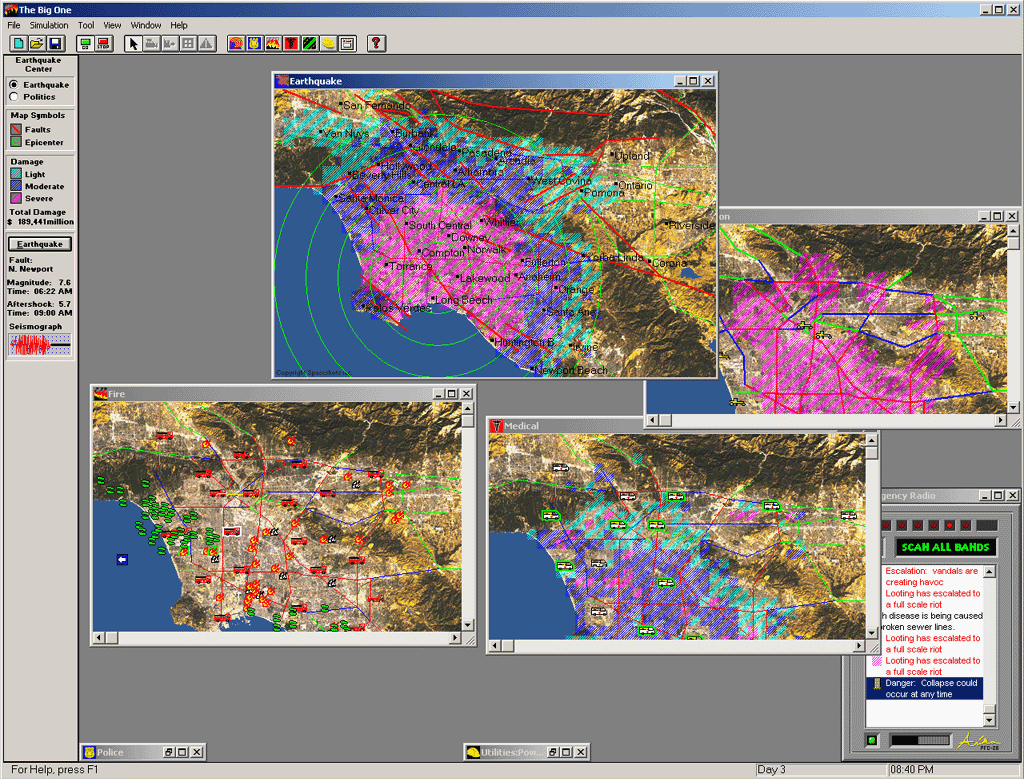
The Big One places you in the mayor’s shoes following a devastating earthquake in Los Angeles. From the moment the seismic waves hit, you’re tasked with restoring order by issuing commands to police vehicles, fire trucks, and medical units. The real-time strategy elements are intuitive, yet they require careful planning; sending the right resources to multiple crisis points simultaneously can quickly become a delicate juggling act. Scheduling crews to clear rubble, extinguish fires, and maintain public safety tests both your tactical foresight and crisis management skills.
(HEY YOU!! We hope you enjoy! We try not to run ads. So basically, this is a very expensive hobby running this site. Please consider joining us for updates, forums, and more. Network w/ us to make some cash or friends while retro gaming, and you can win some free retro games for posting. Okay, carry on 👍)
Resource management plays a pivotal role in the gameplay loop. You’ll need to balance your budget between emergency response units and city infrastructure repairs, all while monitoring your approval rating. Neglecting essentials like road restoration or hospital support can lead to public outcry, forcing you to make difficult trade-offs. It’s gratifying when a well-timed dispatch of fire crews saves a burning building, yet nerve-wracking when an underfunded police department allows looters to run rampant.
Beyond base rescue missions, The Big One introduces special scenarios that keep the action fresh. From aftershocks complicating rebuild efforts to press conferences where your decisions are scrutinized by city council, each challenge feels layered. These scripted events not only heighten tension but also reward creative problem solving as you adapt strategies on the fly. The pacing strikes a solid balance: fast enough to stay engaging, yet measured enough to allow thoughtful decision-making.
Graphics
Visually, The Big One does an impressive job of conveying the chaos of urban disaster. The earthquake animations pack a punch, with realistic tremors that shake skyscrapers and tilt street signs. Damage to buildings is rendered with surprising detail—cracked facades, broken windows, and rubble-strewn avenues all contribute to an immersive disaster zone that feels convincingly alive.
The user interface strikes a fine equilibrium between clarity and depth. Unit icons are easily distinguishable, and color-coded alerts help you prioritize emergencies at a glance. While the HUD can feel busy during large-scale crises, this busyness mirrors the chaos on the ground and reinforces the urgency of your responsibilities. A zoom function allows you to switch between a close-up view of firefighters in action and a broader citywide command perspective.
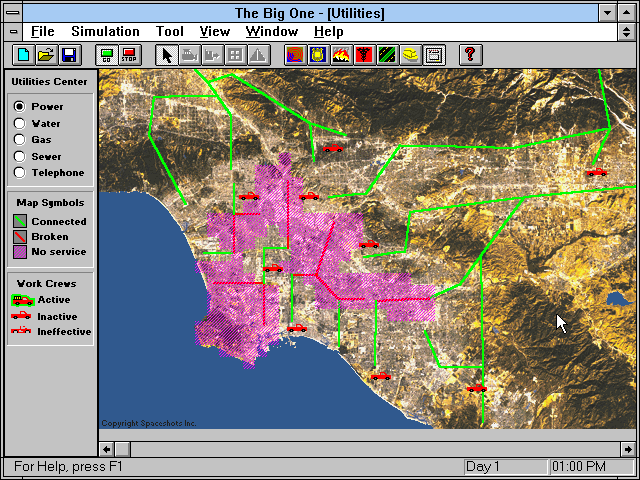
Environmental variety is another highlight. From the downtown financial district, with its towering glass facades, to the more modest residential neighborhoods, each locale has its own aesthetic flavor. Dynamic lighting—especially during night missions—casts realistic shadows across twisted steel and shattered pavement. Minor visual hiccups, such as occasional pop-in of distant models, rarely detract from the overall graphical fidelity.
Story
The narrative framework of The Big One is woven into its mission structure rather than told through lengthy cutscenes. You begin with the immediate aftermath of the quake, responding to distress calls and grappling with the human cost of the catastrophe. Briefings from city council members and news bulletins provide contextual depth, reminding you of the broader political stakes and the morale of your citizens.
As the game progresses, you encounter subplots that add personality to your role as mayor. A veteran fire chief might question your funding choices, or a grassroots activist could demand accelerated rebuilding in underserved neighborhoods. These interactions are concise but meaningful, offering insight into how different stakeholders view your leadership. This branching dialogue helps you feel like you’re shaping the city’s story, rather than simply reacting to events.
Although there’s no traditional overarching storyline, the ongoing struggle to maintain public approval serves as a narrative backbone. Each successful rescue or demolished hazard zone translates to headlines celebrating your competence—or criticism if you falter. This feedback loop gives stakes to every decision, ensuring that the city’s tale is your own messy, high-stress saga of governance under pressure.
Overall Experience
The Big One excels at delivering a tense simulation of post-disaster governance. The blend of real-time strategy and resource management keeps you engaged over multiple play sessions, and the incremental difficulty curve ensures a satisfying challenge for both newcomers and veterans of city simulators. Striking the right balance between emergency response and political acumen adds layers of complexity that elevate the experience above a typical rescue-only game.
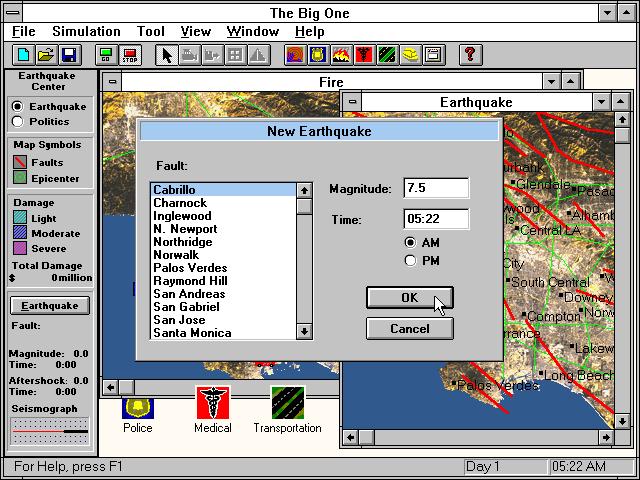
Replayability is robust thanks to randomized earthquake magnitudes, varied city districts, and dynamic public opinion mechanics. You might find your second playthrough focusing more on pre-disaster preparedness—stockpiling resources and reinforcing bridges—while another may entrust most of your budget to in-game PR campaigns. This freedom to experiment with different strategies encourages multiple resets of the destruction clock.
For players seeking a thought-provoking simulation that marries tactical command with civic leadership, The Big One is a standout choice. While a handful of minor interface quirks remain, the gripping gameplay, detailed graphics, and emergent narrative moments more than compensate. Whether you’re drawn by the challenge of disaster recovery or the allure of steering a shaken metropolis back to stability, this title offers an engrossing experience that few city-management games can match.


Reviews
There are no reviews yet.