 Retro Replay Retro Replay gaming reviews, news, emulation, geek stuff and more!
Retro Replay Review
Gameplay
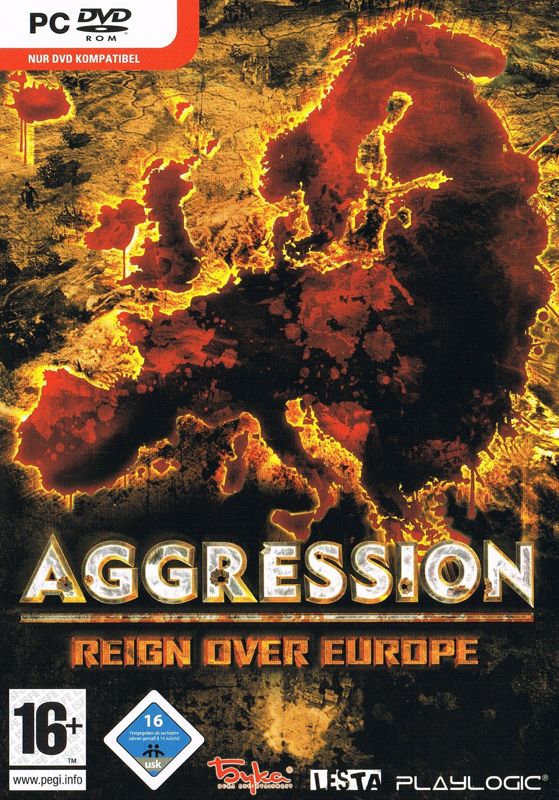
Aggression: Reign over Europe thrusts you into a sweeping strategic sandbox that spans both World Wars, offering an unconventional timeframe from 1910 to 1950. Right from the start, you choose to lead Germany, Britain, Russia, or France through four distinct campaigns. Each nation presents its own set of diplomatic challenges, resource constraints, and military traditions, ensuring no two playthroughs feel identical. Whether you prefer forging alliances, manipulating trade routes, or outright conquest, the game’s strategic layer is robust enough to accommodate multiple playstyles.
(HEY YOU!! We hope you enjoy! We try not to run ads. So basically, this is a very expensive hobby running this site. Please consider joining us for updates, forums, and more. Network w/ us to make some cash or friends while retro gaming, and you can win some free retro games for posting. Okay, carry on 👍)
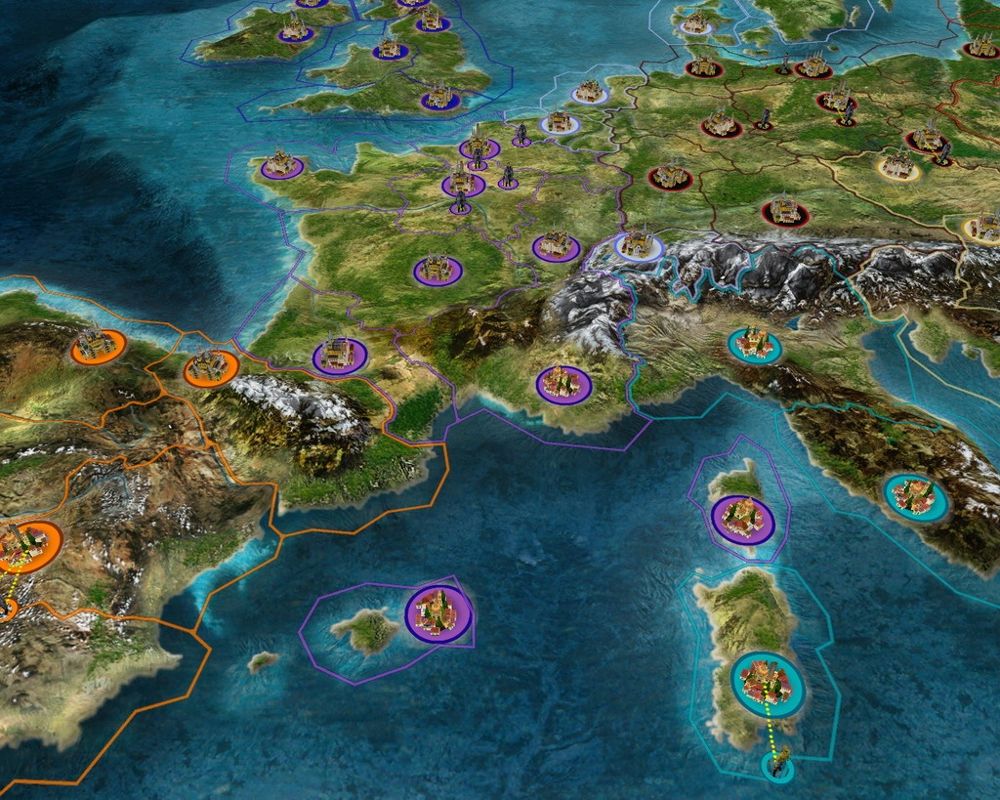
The core of the experience lies in the real-time grand strategy map. Here you manage everything from resource allocation to research priorities, orchestrating the growth of your economy alongside your armed forces. The option to pause at any moment is indispensable, letting you survey the battlefield, queue up orders, or adjust production lines without the pressure of ticking time. This flexibility elevates the learning curve, making it approachable for newcomers while still challenging veterans who thrive on high-tempo decision-making.
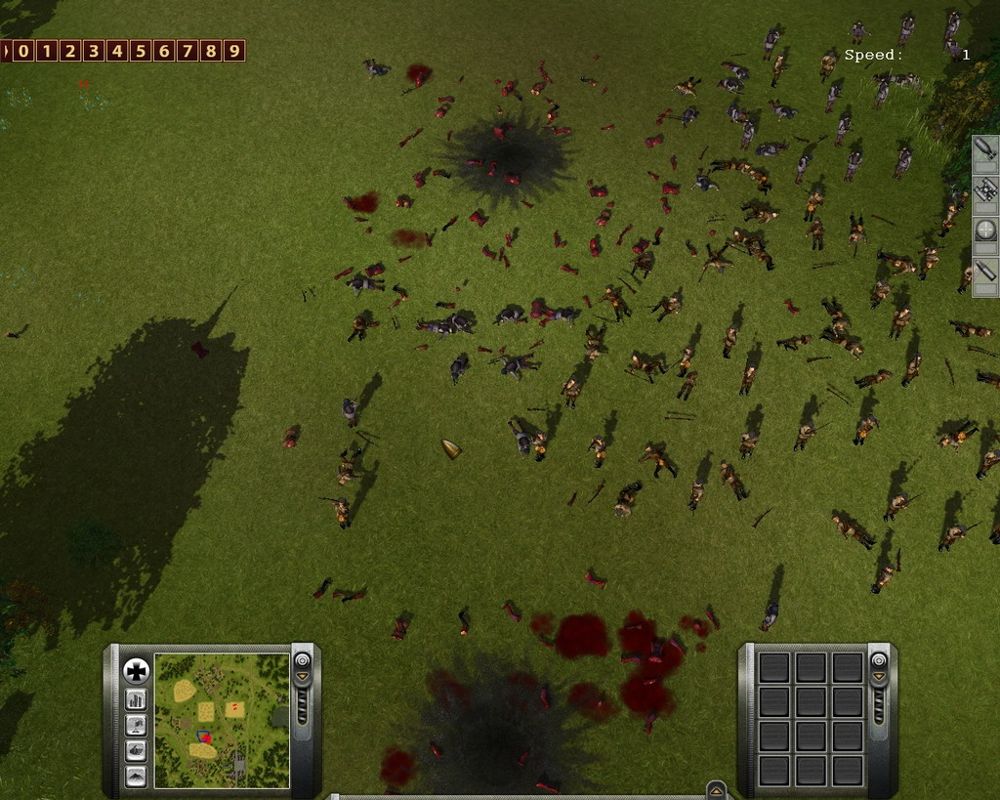
When diplomacy and resource juggling can only take you so far, battles become inevitable. You have the choice to auto-resolve or dive into real-time tactics for every engagement. Participating directly brings a satisfying level of detail: you command infantry brigades, armored divisions, and artillery batteries through flanking maneuvers and defensive lines. With around 150 different land units to field—ranging from light cavalry to early jet fighters—each encounter demands thoughtful deployment and adaptation to evolving frontlines.
The inclusion of six standalone scenarios further enriches the gameplay offering. These bite-sized single battles let you focus purely on tactical prowess without strategic overhead. Whether you opt for a quick border skirmish or a large-scale confrontation, the scenarios serve as an ideal training ground for mastering combined-arms warfare. Although the absence of naval units is a notable omission, the depth on land more than compensates for that gap, keeping battles intense and player-driven.
Graphics
Visually, Aggression: Reign over Europe strikes a balance between functional clarity and period atmosphere. The grand strategy map employs a clean, hex-based grid overlay that highlights supply lines, frontiers, and resource nodes without clutter. Province icons and unit counters are crisp, with distinctive color-coding that helps you track multiple fronts at a glance. It may not push modern hardware to its limits, but the interface remains intuitively designed for quick information retrieval during heated moments.
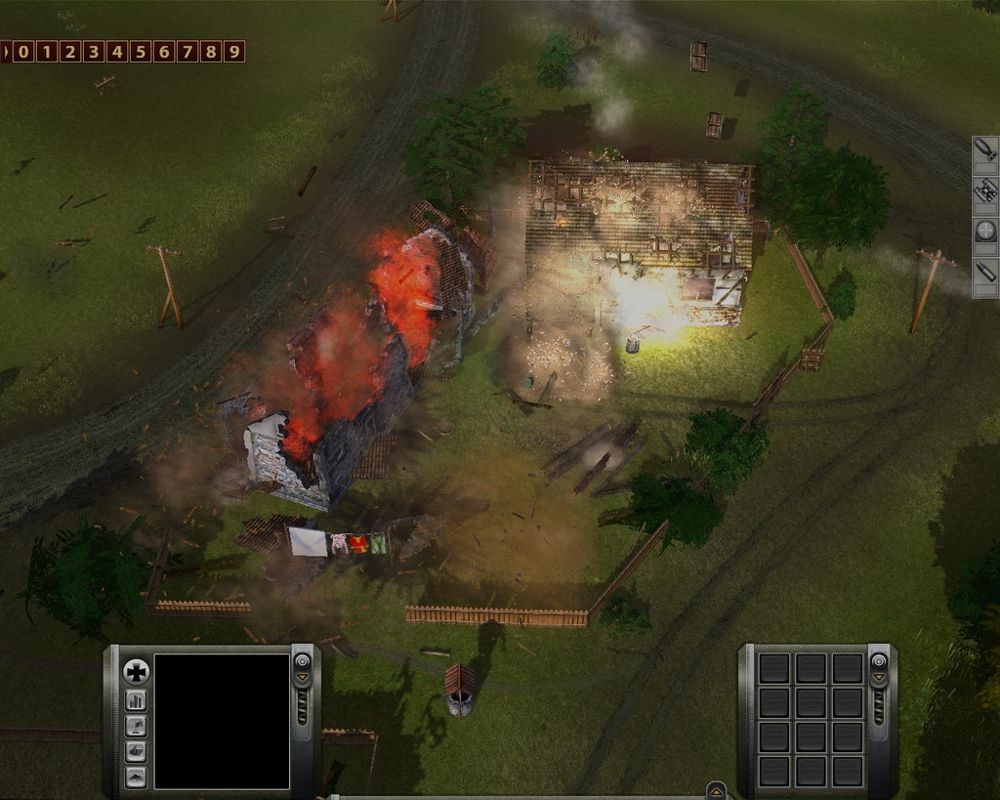
Zooming into tactical battles reveals more intricate details. Terrain features—forests, hills, and urban centers—are rendered in muted, earthy tones reminiscent of mid-century war reportage. Unit models are relatively simple by today’s standards, but each infantry squad, tank platoon, and artillery piece is easily distinguishable. Smoke effects and artillery barrages add a layer of cinematic tension, especially when you witness a well-timed flanking maneuver unfold in real time.
One highlight is the game’s dynamic weather and day-night cycles, which subtly influence visibility and movement rates. Rain can turn fields into muddy quagmires, slowing down armored assaults, while nighttime operations demand more cautious advances. Though these graphical flourishes do not radically alter the strategic layer, they do enhance immersion and underscore the unpredictability of early 20th-century warfare.
Performance-wise, the game runs smoothly on mid-range machines, even when large armies converge on multiple fronts. Load times are reasonable, and the ability to toggle graphical details allows you to prioritize frame rate or fidelity as you see fit. Overall, the visual package may not rival big-budget war sims, but its clarity, atmosphere, and attention to historical detail deliver a consistently satisfying presentation.
Story
While Aggression: Reign over Europe is primarily a sandbox strategy game, it weaves a loose narrative through its four campaigns. Each campaign is prefaced by brief historical vignettes that set the political and social context of the nation you’re about to lead. These snapshots outline critical events—economic crises, alliance shifts, and key archival speeches—providing a narrative scaffold without bogging down the pace with lengthy cutscenes.
As you progress, scripted events and decision points inject story beats into your conquest. Will you honor diplomatic treaties or pursue risky pacts for quick gains? Can you navigate the economic turmoil of the interwar years while keeping your population content? These branching choices create emergent stories unique to your leadership style. Though there’s no overarching hero or villain arc, the interplay between historical fidelity and player agency results in compelling “what-if” scenarios.
The designers wisely avoid over-scripting the narrative, instead trusting players to craft their own tales of triumph or tragedy. Victories can turn pyrrhic if you overstretch supply lines, and peace treaties might lull you into complacency before a renewed enemy onslaught. Each campaign’s culminating finale—whether it’s a massive Allied push in 1944 or a desperate German defensive stand—feels earned, thanks to the groundwork laid throughout the decades-spanning timeline.
Ultimately, the story in Aggression: Reign over Europe is less about character arcs and more about strategic causality. Your decisions ripple across decades, turning small border skirmishes into continental power shifts. For history aficionados and strategy fans alike, this narrative approach provides just enough historical grounding to amplify the thrill of your own alternate history.
Overall Experience
Aggression: Reign over Europe offers a uniquely ambitious scope in the crowded field of war strategy titles. It bridges the strategic depth of grand strategy with the immediacy of real-time tactical engagements, delivering an experience that feels both sprawling and personal. Managing a nation’s economy, diplomacy, and military simultaneously is no small feat, yet the game’s user-friendly pause mechanic and clear UI keep you in control.
The balance between automation and direct intervention is one of the title’s strongest assets. You can sit back and let the AI handle minor skirmishes while you focus on long-term planning, or roll up your sleeves for pivotal battles that might decide the fate of Europe. With roughly 150 land units and six standalone scenarios, there’s ample content to master, ensuring high replayability even after several full-campaign runs.
Despite some minor graphical limitations and the absence of naval warfare, the game’s strategic and tactical systems remain deeply engaging. The period setting from 1910 to 1950 offers a refreshing change from the usual single-war focus, allowing you to experience the evolution of warfare technology and doctrine firsthand. From horse-mounted cavalry to early jet fighters, each era brings fresh challenges and opportunities.
In conclusion, Aggression: Reign over Europe is a compelling package for strategy enthusiasts seeking a broad, immersive war game. Its combination of real-time strategy, pause-and-play flexibility, and hands-on tactics battles makes it suitable for newcomers and genre veterans alike. If you’re looking to rewrite European history over four tumultuous decades, this game provides the strategic canvas to paint your own epic saga.


Reviews
There are no reviews yet.