 Retro Replay Retro Replay gaming reviews, news, emulation, geek stuff and more!
Retro Replay Review
Gameplay
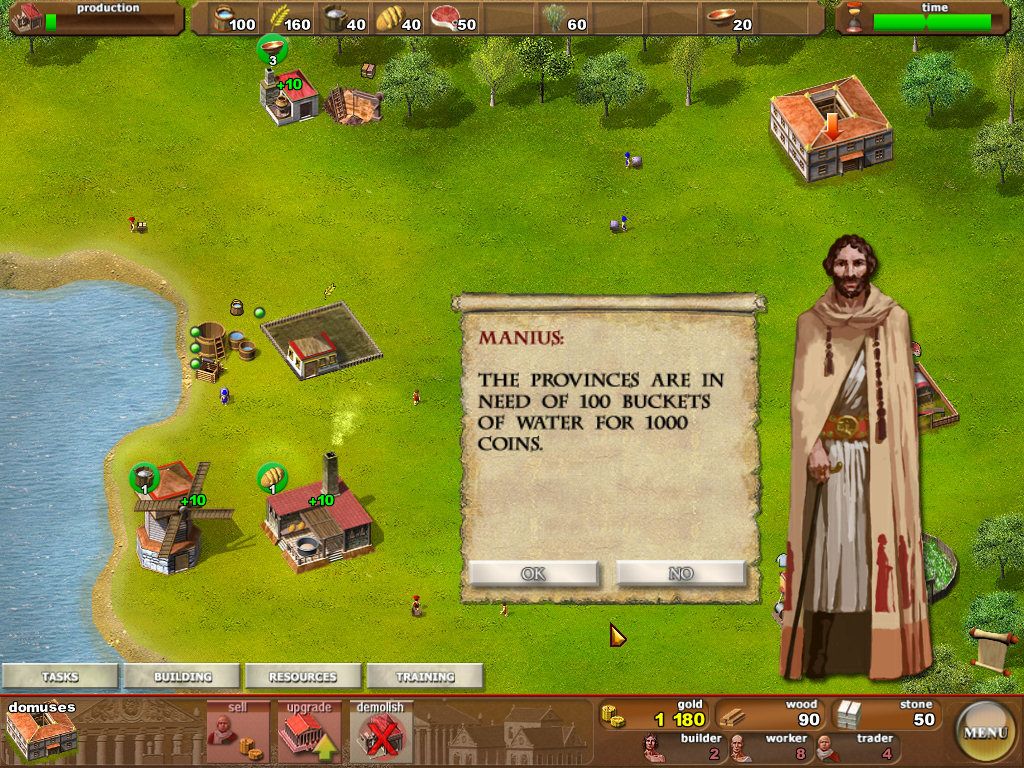
Ancient Rome centers around a resource management framework that’s both accessible and satisfying. As the Roman city planner, you’ll juggle building wells, farms, windmills, weavers, potteries and other essential structures to meet the scenario’s defined objectives before the timer runs out. Each mission brings new targets—perhaps a production quota for wine, a population milestone, or the establishment of a profitable trade route.
(HEY YOU!! We hope you enjoy! We try not to run ads. So basically, this is a very expensive hobby running this site. Please consider joining us for updates, forums, and more. Network w/ us to make some cash or friends while retro gaming, and you can win some free retro games for posting. Okay, carry on 👍)
The absence of combat shifts the focus entirely onto optimization and strategy. You must plan your road networks, allocate workers, and decide which buildings to upgrade first. The ticking clock creates a pleasant sense of urgency, forcing you to adapt on the fly when resources run low or a neighboring region demands a trade concession.
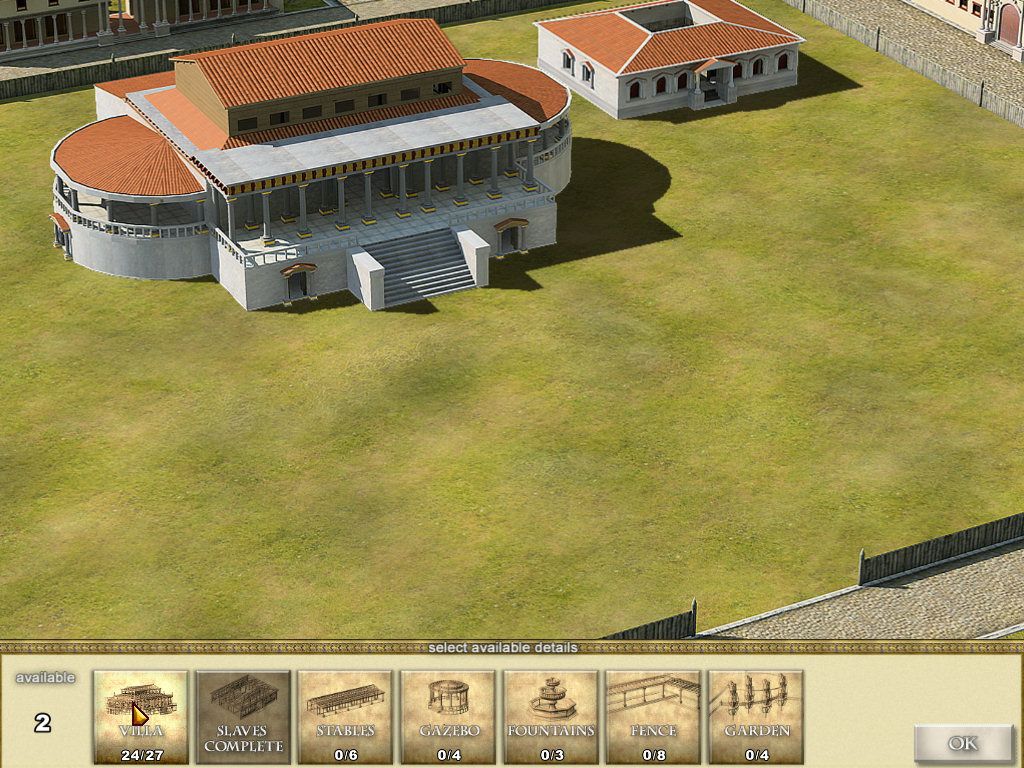
A particularly rewarding element is the grand villa you earn after each scenario. These villas serve as both trophy rooms and functional workshops: you can use earned materials to customize their appearance or install efficiency-boosting amenities. This meta-progression loop—complete a challenge, unlock villa upgrades, return stronger for the next map—adds a motivating layer of long-term planning.
While seasoned city-builders might notice a lighter complexity compared to deeper simulators, Ancient Rome strikes a smart balance for casual players. The learning curve is gentle, yet the scenarios progressively introduce new building types and trade partners, ensuring each playthrough feels fresh without overwhelming you with micromanagement.
Graphics
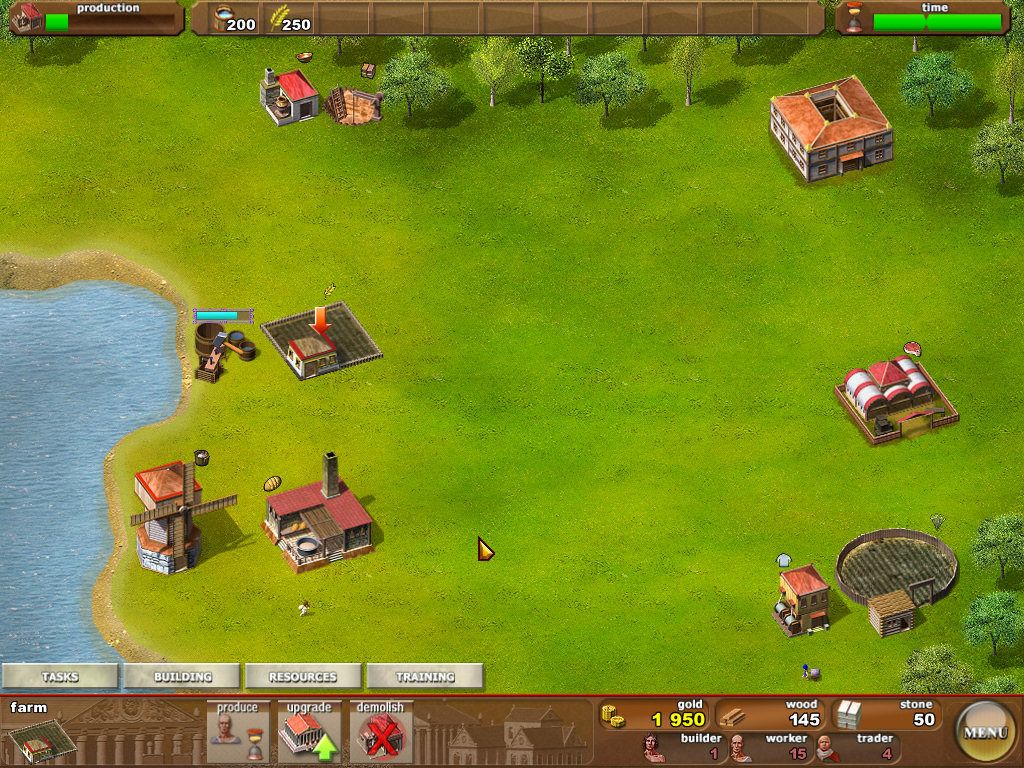
The visual style of Ancient Rome combines vibrant colors with a clean, isometric perspective. Fields of golden wheat, terracotta rooftops, and marble pillars pop against rolling green hills. The clarity of the artwork ensures you can easily distinguish between wells, windmills, and more intricate structures at a glance.
Animations are smooth and purposeful: water wells rotate their pulleys, windmill sails turn lazily in the breeze, and traders arrive in animated caravans. Though the graphics aren’t pushing the bleeding edge of realism, they maintain a timeless, painterly charm that enhances the game’s leisurely pacing.
The user interface remains unobtrusive, with neatly organized menus and tooltips that explain each building’s purpose and resource needs. A transparent overlay mode shows production chains, helping you identify bottlenecks without digging through multiple screens. This clarity is invaluable when managing numerous resources under time pressure.
On the downside, you may occasionally notice repetitive tilesets across similar environments, and some decorative assets feel reused. However, the overall presentation stays coherent, and the minor visual repetition seldom detracts from the satisfaction of watching your city come to life.
Story
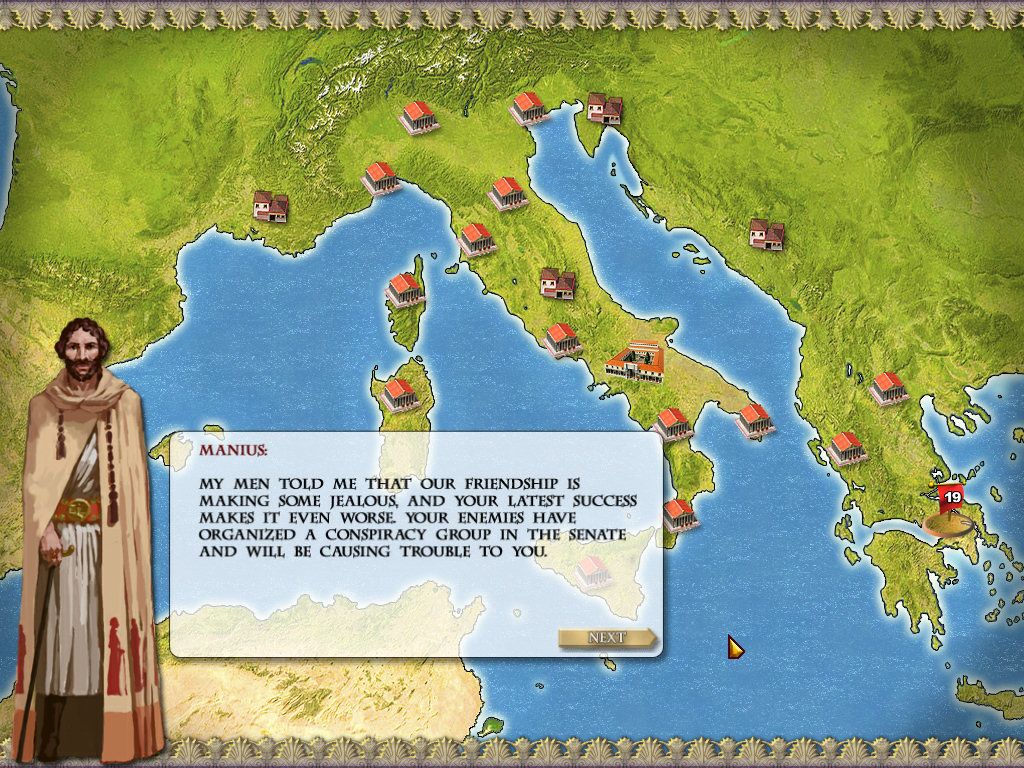
Ancient Rome opts for a light, scenario-driven narrative rather than a deep, character-focused tale. You step into the sandals of a promising Roman planner entrusted by the Senate to expand cities and shore up borders through trade and prosperity. Each scenario begins with a short briefing that outlines regional needs and political constraints.
Rather than unfolding through cutscenes, the story emerges organically as you fulfill objectives. A successful grain delivery might earn you praise, while a diplomatic misstep—failing to secure a trade agreement—can throw future plans into jeopardy. These narrative touches give your work a sense of purpose without dragging you through lengthy dialogue or exposition.
Though fans of epic campaigns might find the storytelling minimal, the focus on civic pride and incremental achievements creates its own compelling rhythm. You’ll develop a fondness for each city you nurture, celebrating its growth from a dusty settlement to a bustling hub of Roman industry.
If you yearn for richly woven characters or branching narratives, you may feel the game’s story is more framework than feature. Yet for players who enjoy writing their own tales through economic and urban development, Ancient Rome’s approach offers a satisfying canvas.
Overall Experience
Ancient Rome offers a well-crafted blend of casual accessibility and strategic depth. The seamless progression from small villages to thriving municipalities—coupled with the villa upgrade system—provides a sense of continuous achievement. Each hour spent feels purposeful, whether you’re streamlining a production chain or negotiating a vital trade deal.
The game shines in short bursts or marathon sessions. A single scenario can be tackled in 30 minutes, making it perfect for players with limited time. For those who enjoy longer stretches, chaining scenarios back-to-back reveals hidden synergies and lets you experiment with alternative building layouts.
Though the absence of combat might disappoint gamers seeking military challenges, it also ensures a more relaxing experience centered on creation rather than destruction. The timer keeps you on your toes, but without the stress of enemy invasions, the overall tone remains calm and constructive.
In sum, Ancient Rome is an engaging resource management title that welcomes newcomers and offers enough strategic nuance for veterans of city-building genres. Its colorful graphics, straightforward mechanics, and sense of progression make it a strong choice for anyone looking to don the toga of a Roman planner and guide cities to glory.



Reviews
There are no reviews yet.