 Retro Replay Retro Replay gaming reviews, news, emulation, geek stuff and more!
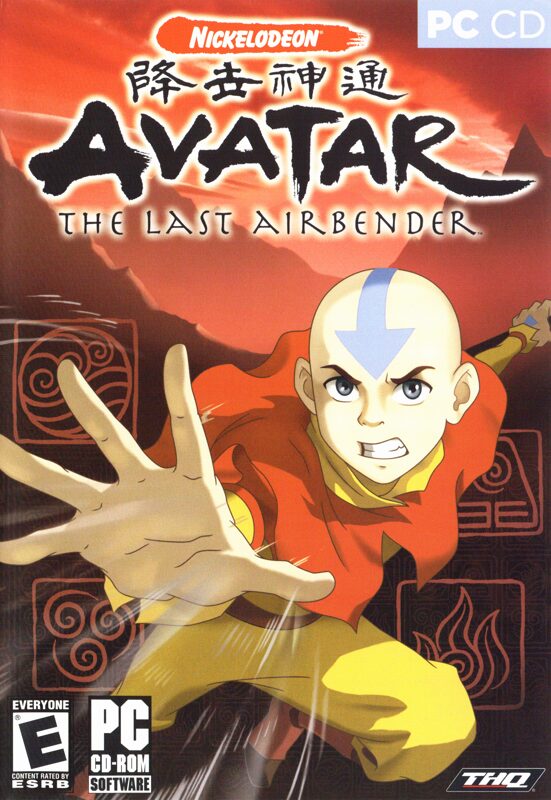
Retro Replay Review
Gameplay
The gameplay in Avatar: The Last Airbender for Windows centers on third-person combat that blends elemental bending with an array of minigames to keep the action varied. Players can seamlessly switch between Aang’s three offensive bending styles (air, water, and earth) and three defensive stances, allowing for strategic combos and counters. This dynamic move set offers a satisfying level of depth, especially when chaining elemental attacks against groups of Fire Nation foes or larger bosses like Zhao’s warships.
(HEY YOU!! We hope you enjoy! We try not to run ads. So basically, this is a very expensive hobby running this site. Please consider joining us for updates, forums, and more. Network w/ us to make some cash or friends while retro gaming, and you can win some free retro games for posting. Okay, carry on 👍)
Beyond the core combat, the game introduces a suite of themed minigames that break up the regular flow in creative ways. During meditation sequences, you’re challenged to click on distracting images to clear Aang’s mind—an oddly calming but engaging puzzle that rewards focus. Chase segments require quick reflexes as you dodge falling rocks or pursue fleeing enemies, while flying on Appa turns into a side-scrolling shooter, complete with aerial targets and hazards that test your timing and aim.
Controls are generally responsive, whether you’re unleashing a spinning Airbender tornado or lining up a perfect long-range water whip. The learning curve is gentle enough for younger fans yet offers enough nuance—especially in mastering defensive stances—to keep seasoned players invested. Minor camera quirks can occasionally obscure incoming attacks in tight corridors, but most encounters feel intuitive and rewarding.
Graphics
Visually, the PC version of Avatar: The Last Airbender captures the essence of the animated series through bright, cel-shaded character models and vibrant environmental textures. From the icy blue hues of the Northern Water Tribe to the fiery reds of Fire Nation outposts, each level feels true to the show’s palette. Character animations for bending moves are fluid, conveying the grace and power audiences expect from Aang and his friends.
In cutscenes, voice-over work and expressive facial animations help convey emotional beats—such as Aang’s wonder at the Water Tribe’s culture or Zuko’s burning determination. While some background elements, like distant mountains or ancillary props, can appear slightly low-resolution, they rarely distract from the overall presentation. Frame rates remain stable on mid-range systems, making for a smooth experience even during chaotic battles or the fast-paced Appa flying sections.
Special effects, particularly water ripples and flame particles, stand out as highlights in this release. The swirling water jets and crackling fire blasts feel weighty and responsive to player input. Fog and lighting in temple ruins add a sense of atmosphere, though shadow rendering can flicker in a few outdoor scenes. Overall, the graphical package does a commendable job of bringing the world of Avatar to life on PC without demanding top-end hardware.
Story
Avatar: The Last Airbender on Windows loosely follows the plot of season one from the TV show, offering fans a chance to relive Aang’s journey to the Northern Water Tribe. Key story beats—such as Aang’s discovery in the iceberg, his friendship with Katara and Sokka, and the looming threat of a Fire Nation invasion—are faithfully represented through in-engine cutscenes and direct dialogue lifted from the series. This faithful adaptation helps newcomers understand the stakes while satisfying longtime viewers.
The narrative pacing strikes a balance between story progression and gameplay variety. Major plot moments trigger short cinematic sequences that keep momentum high without long loading times. Players get to experience Aang’s internal struggle with his responsibilities as the Avatar, Zuko’s relentless pursuit, and the Water Tribe’s cultural rituals, all while unlocking new bending abilities in line with the show’s training arcs.
Although the game doesn’t cover every subplot from season one, it captures the spirit of exploration and discovery that defines the series. Side objectives—like collecting spirit orbs hidden in levels—offer optional lore tidbits and encourage replay. While the storyline may feel somewhat abbreviated compared to the full 20-episode arc, the essential emotional highs and conflicts remain intact, providing a satisfying narrative drive.
Overall Experience
For fans of the animated series, Avatar: The Last Airbender for Windows delivers a nostalgic trip back to the world of bending, complete with familiar faces, elemental combat, and key story moments. The blend of core fighting mechanics and diverse minigames helps prevent monotony, ensuring that each chapter offers something fresh—whether you’re purifying water in a meditation mini-puzzle or guiding Appa through rocky canyons.
Newcomers to the franchise will find a well-paced adventure that introduces bending lore and character motivations clearly, making it accessible even without prior knowledge of the TV show. The PC controls are intuitive, with customizable keybindings, and performance is solid on most modern machines. Multiplayer or co-op options are absent, but the single-player campaign is extensive enough to provide several hours of engaging content.
While minor camera hiccups and occasional texture pop-ins remind you that this isn’t a cutting-edge blockbuster, the game’s faithful adaptation, varied gameplay, and vibrant presentation make it a worthwhile purchase. Whether you’re revisiting Aang’s first journey or venturing into bending for the first time, this title offers an entertaining, family-friendly action adventure that captures the heart of the beloved series.


Reviews
There are no reviews yet.