 Retro Replay Retro Replay gaming reviews, news, emulation, geek stuff and more!
Retro Replay Review
Gameplay
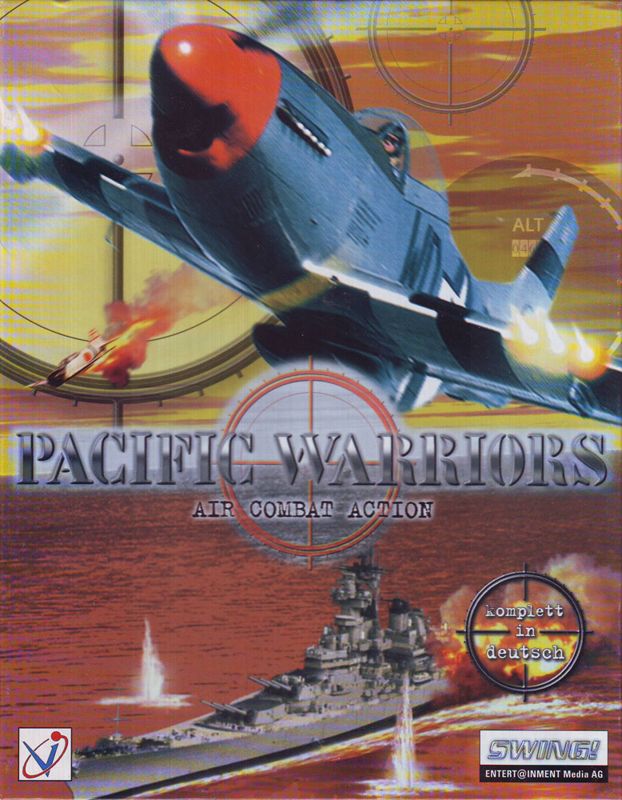
Beyond Pearl Harbor: Pacific Warriors delivers a thrilling arcade-style flying experience rooted in the classic feel of 1942 but reimagined in full 3D. Players can select from three distinct World War II-era aircraft, each with unique handling characteristics, speed, and firepower. The variety ensures that each playthrough feels fresh: the nimble fighter plane excels at dogfights, the medium bomber strikes a balance between agility and heavy armament, while the heavy bomber trades maneuverability for devastating payloads. With 25 single-player missions, the campaign provides a solid progression curve—from straightforward strafing runs to complex, multi-objective engagements that demand careful planning and quick reflexes.
(HEY YOU!! We hope you enjoy! We try not to run ads. So basically, this is a very expensive hobby running this site. Please consider joining us for updates, forums, and more. Network w/ us to make some cash or friends while retro gaming, and you can win some free retro games for posting. Okay, carry on 👍)
Weapon systems evolve remarkably over the course of the game. You begin with trusty machine guns that pepper enemy fighters, tanks, and ships with rapid-fire bullets. As you advance, power-ups transform your arsenal into heat-seeking rockets and even more exotic “raygun” weapons that feel positively futuristic, injecting a fun, arcade twist into the World War II setting. Each weapon upgrade introduces new strategies: unguided rockets require precise aim at moving targets, while the raygun can shred armor but mandates conserving energy. This power-up system keeps the gameplay loop engaging, encouraging you to chase better loadouts and master each weapon’s quirks.
In addition to the single-player campaign, Pacific Warriors offers five standalone scenarios for bite-sized challenges. These range from pure survival modes against relentless waves of enemy bombers and tanks to objective-based missions like escorting convoys or disabling coastal artillery. The inclusion of 3D positional audio heightens immersion, as you hear enemy fighters approaching from behind or naval guns firing off to port. Finally, an eight-player dogfight mode transforms the title from a solo arcade romp into a competitive multiplayer arena. Here, skillful use of your plane’s strengths, coupled with map knowledge and situational awareness, defines whether you emerge victorious in the skies or end up as target practice.
Graphics
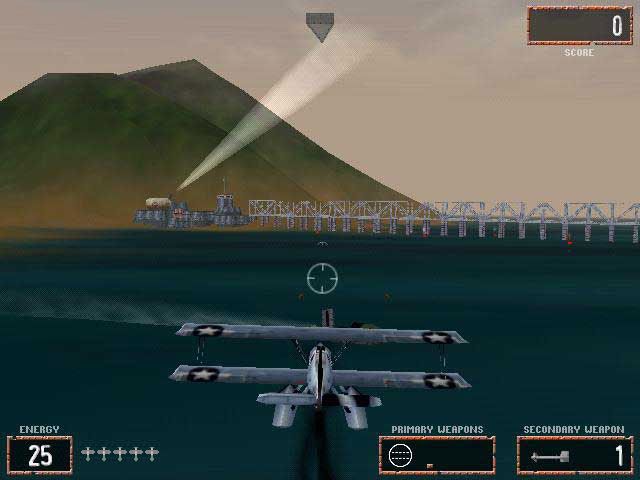
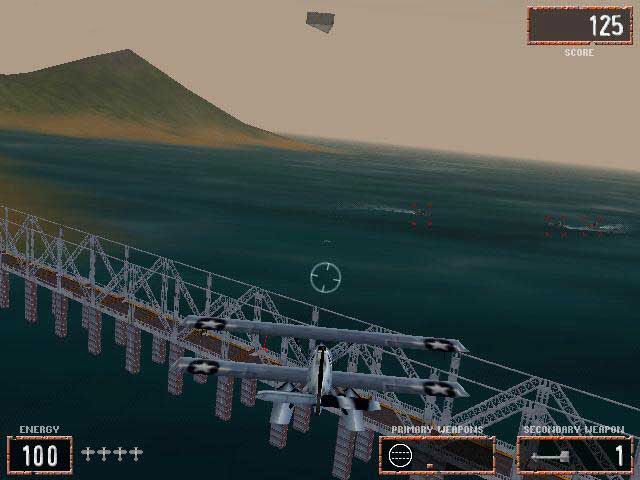
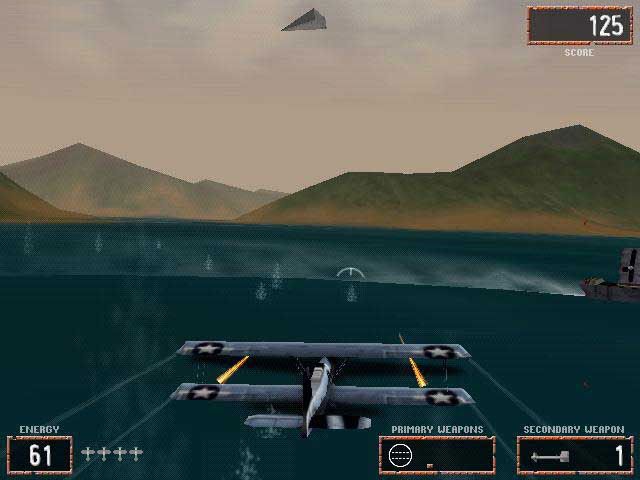
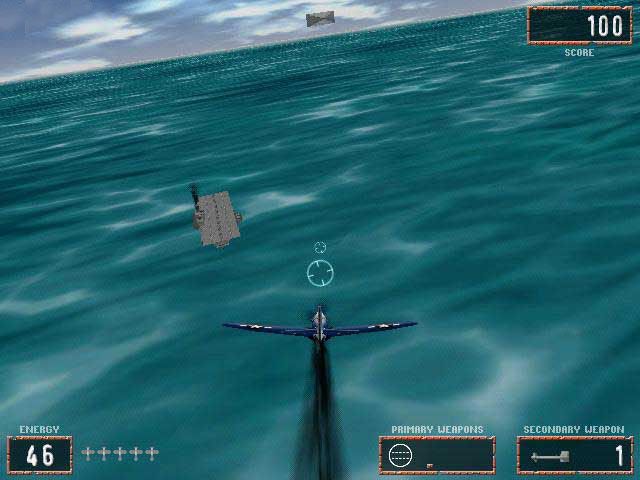
The jump from flat 2D screens of the early arcade era to fully realized 3D environments is perhaps Beyond Pearl Harbor’s most immediately noticeable upgrade. Battlefields unfold beneath you with stunning detail: coral atolls shimmer in the tropical sun, battleships carve wake-churned waters, and island airfields stand ready as both launch points and strategic objectives. Terrain geometry and textures are crisp, giving each mission locale its own distinct atmosphere. Whether you’re flying low over jungles or climbing above thick cloud cover, the visual variety helps prevent mission fatigue.
Aircraft models are faithfully rendered, with each plane sporting authentic markings, accurate cockpit details, and convincingly animated control surfaces. Damage modeling adds another layer of spectacle: bullet holes pockmark your fuselage, wing panels buckle under heavy fire, and black smoke trails betray enemy plane engines on the verge of failure. These visual cues not only look impressive but also serve a gameplay function, signaling when your craft is nearing critical condition and must be handled with greater caution or promptly repaired after returning to base.
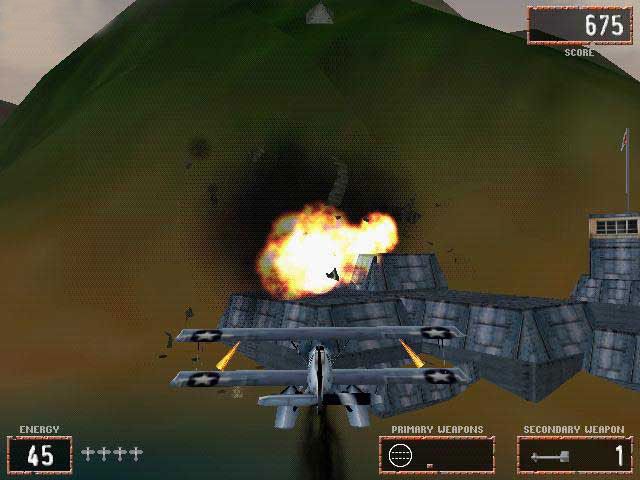
Special effects such as explosions, muzzle flashes, and rocket trails have been polished to capture that retro arcade bombing rush while still feeling modern. Shockwaves ripple across the water when a cruiser goes under, and tracer rounds flicker along their paths in the sky, offering dazzling aerial choreography. Dynamic lighting and particle effects raise the stakes of night missions and dawn sorties alike, making each mission feel cinematic without sacrificing frame rate. Even on moderately powered systems, Pacific Warriors maintains a smooth performance, ensuring that visual splendor never comes at the cost of responsive controls.
Story
Beyond Pearl Harbor: Pacific Warriors takes players on a journey across the Pacific theater, picking up the fight after the events of December 1941. While the narrative framework is lean—befitting an arcade-style shooter—it sets the stage for varied mission objectives that evolve beyond simple dogfights. You’ll move from defensive patrols over key Allied islands to daring strikes on heavily fortified Japanese strongholds, each mission accompanied by briefing notes that highlight historical context and tactical goals. This blend of real-world backdrop and arcade sensibility makes the story progression feel purposeful without bogging down the action.
Characterization is minimal, reflecting the game’s emphasis on action over drama. Instead, the narrative emerges through mission design and environmental storytelling: a reef-ringed atoll stripped bare by bombardment, the hulking wreck of a once-proud battleship, or the glow of searchlights probing the dark sea. These visual and audio details paint a vivid picture of war’s intensity, letting your imagination supply the personal stakes as you pilot from one hot zone to the next. Period radio chatter and command updates further immerse you, adding just enough personality to the squadron without enacting lengthy cutscenes.
Five standalone scenarios introduce “what-if” situations that depart slightly from historical battles—what if a squadron could escort a secret weapons prototype? Or if you had to repel an amphibious landing using only fighter escorts? While the main campaign sticks fairly close to WWII chronology, these side scenarios hint at alternate-history possibilities through futuristic rayguns and payloads. The result is a narrative structure that balances authenticity with creative license, keeping the storyline compelling for arcade action fans and history buffs alike.
Overall Experience
Beyond Pearl Harbor: Pacific Warriors strikes a commendable balance between retro arcade thrills and modern production values. The moment-to-moment gameplay is addictive: the rush of weaving through fighter formations, the satisfaction of locking on rockets to a battleship turret, and the triumphant roar of a successful bombing run all combine to create an experience that’s hard to put down. The diverse mission roster, from survival gauntlets to five “bonus” scenarios, ensures that repetition never sets in, even after hours of play.
The inclusion of up to eight-player dogfights transforms the single-player arcade shooter into a lively multiplayer arena. Online connectivity is stable, matchmaking straightforward, and skill-based lobbies help maintain balanced skirmishes. There’s genuine camaraderie in forming wingmen coalitions or rivalries as you jockey for air supremacy. Whether you’re a solo pilot grinding through the campaign or a competitive flyer testing your mettle against friends, Pacific Warriors offers a robust experience on both fronts.
Visually striking, audibly captivating, and deeply satisfying in its gameplay loop, Beyond Pearl Harbor: Pacific Warriors is a must-try for fans of aerial combat and arcade shooters. Its straightforward premise and pick-up-and-play accessibility make it welcoming to newcomers, while the progression mechanics and multiplayer depth give seasoned players plenty of reasons to return. If you’ve ever longed for a 3D evolution of the classic 1942 arcade formula, this game delivers that dream in full Technicolor glory.


Reviews
There are no reviews yet.