 Retro Replay Retro Replay gaming reviews, news, emulation, geek stuff and more!

Retro Replay Review
Gameplay
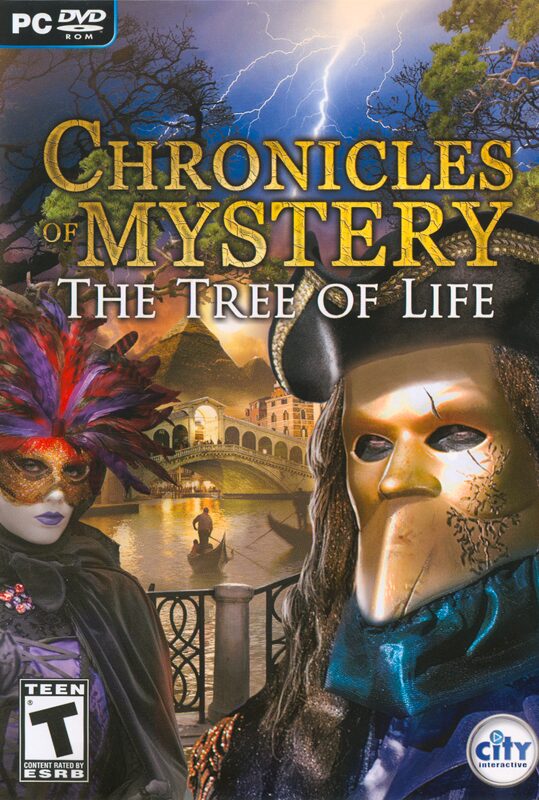
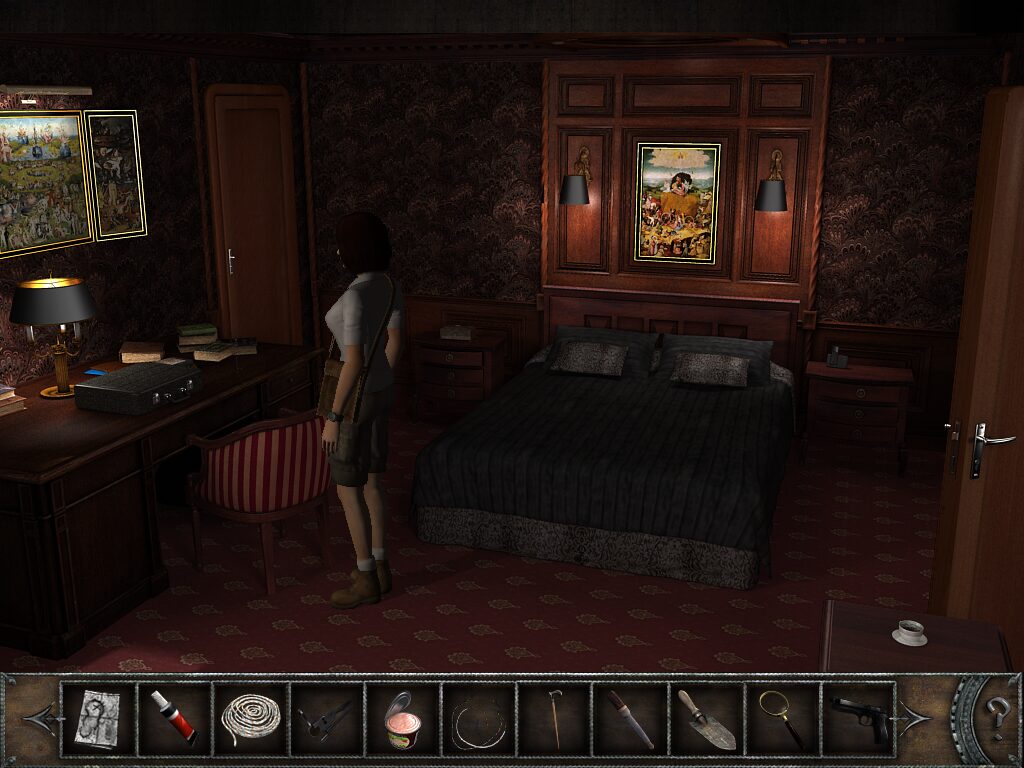
Chronicles of Mystery: The Tree of Life builds on the solid point-and-click foundations introduced in The Scorpio Ritual, delivering a familiar yet polished gameplay experience. Players guide Sylvie Leroux through a series of richly detailed environments, clicking on hotspots to investigate clues, gather artifacts, and unlock hidden compartments. The interface remains intuitive, with hotspot names displayed in the upper black bar and an optional reveal feature that highlights all interactive areas at the press of a question mark.
(HEY YOU!! We hope you enjoy! We try not to run ads. So basically, this is a very expensive hobby running this site. Please consider joining us for updates, forums, and more. Network w/ us to make some cash or friends while retro gaming, and you can win some free retro games for posting. Okay, carry on 👍)
Much of the game’s charm lies in its thoughtfully designed puzzles, which blend inventory manipulation with environmental interrogation. While the challenges rarely stray into frustration territory, two mild timed sequences inject a dash of urgency into key moments—albeit with generous autosave support to prevent progress loss. Dialogue can be skipped for veterans of the series, speeding up repeat visits or letting players breeze through exposition once the story beats are known.
The notebook system stands out as a helpful companion throughout Sylvie’s journey. Every conversation, clue, and document picked up along the way is automatically recorded, ensuring that even the most detail-driven mysteries never slip through the cracks. With unlimited save slots and a clear menu for loading or returning to earlier chapters, The Tree of Life invites experimentation and backtracking without fear of penalty.
Graphics
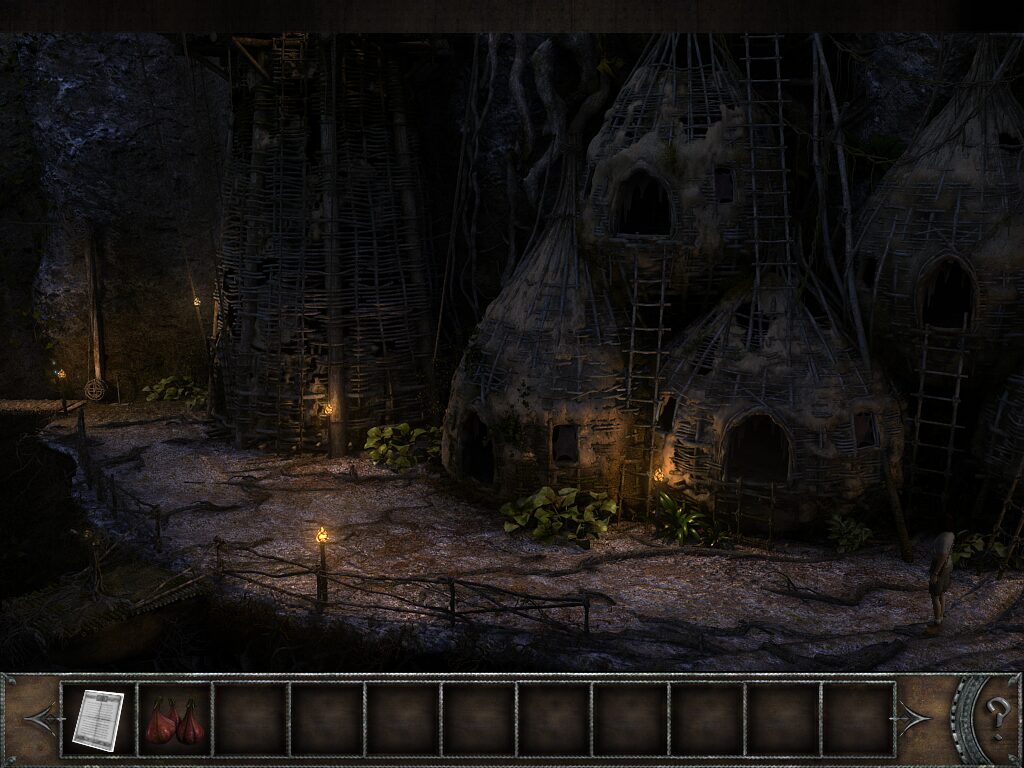
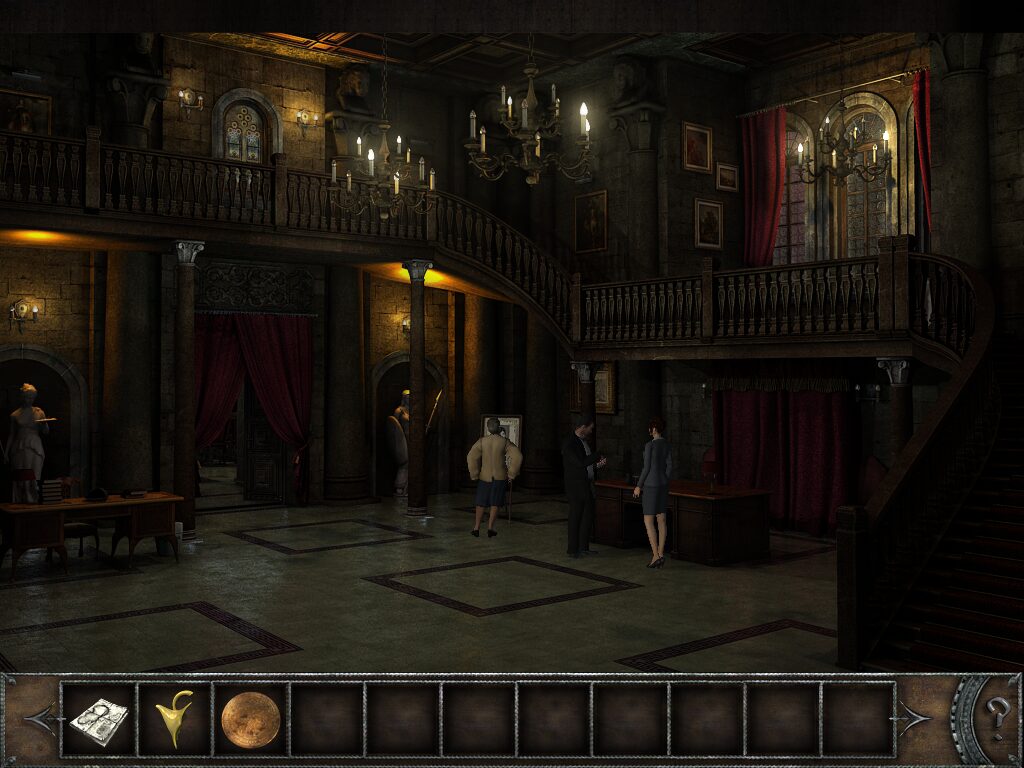
Visually, The Tree of Life offers lush, hand-painted backdrops that capture the atmosphere of each location—from the salty docks of Brittany’s Maritime Museum to the sun-baked alleys of Cairo. The art team’s attention to detail shines in subtle touches: fluttering ship rigging, ornate Venetian gondolas, and the dappled sunlight filtering through palm fronds on Bimini Island all contribute to a vibrant sense of place.
Character portraits and cutscenes maintain the slightly stylized realism of the original, effectively conveying Sylvie’s curiosity and the enigmatic count Georges de Saint-Germain’s steely determination. While animation is not the game’s primary draw, occasional character movements and expressive dialogue boxes keep interactions feeling dynamic rather than static.
On the technical side, load times are minimal and the interface bars remain crisp across all supported resolutions. A subtle ambient soundtrack and location-specific sound effects—lapping waves, distant church bells, and creaking wood—work in harmony with the graphics to immerse players in the game’s globe-trotting adventure.
Story
The narrative kicks off when Sylvie Leroux uncovers a hidden compartment in an ancient conquistador’s chest at the Brittany Maritime Museum. What begins as a routine restoration quickly spirals into a trans-continental quest tied to the legendary Tree of Life and the fabled disappearance of the Mary Celeste. This blend of historical intrigue and mythic lore gives the plot an irresistible pull.
Joining forces with the enigmatic count Georges de Saint-Germain, Sylvie finds herself racing against rival treasure hunters and cryptic guardians of the Tree. The dialogue balances period-flavored exposition with modern wit, allowing both novice players and series aficionados to appreciate the building tension. Motivations and backstories are gradually revealed, avoiding info-dump pitfalls and keeping players invested in each new revelation.
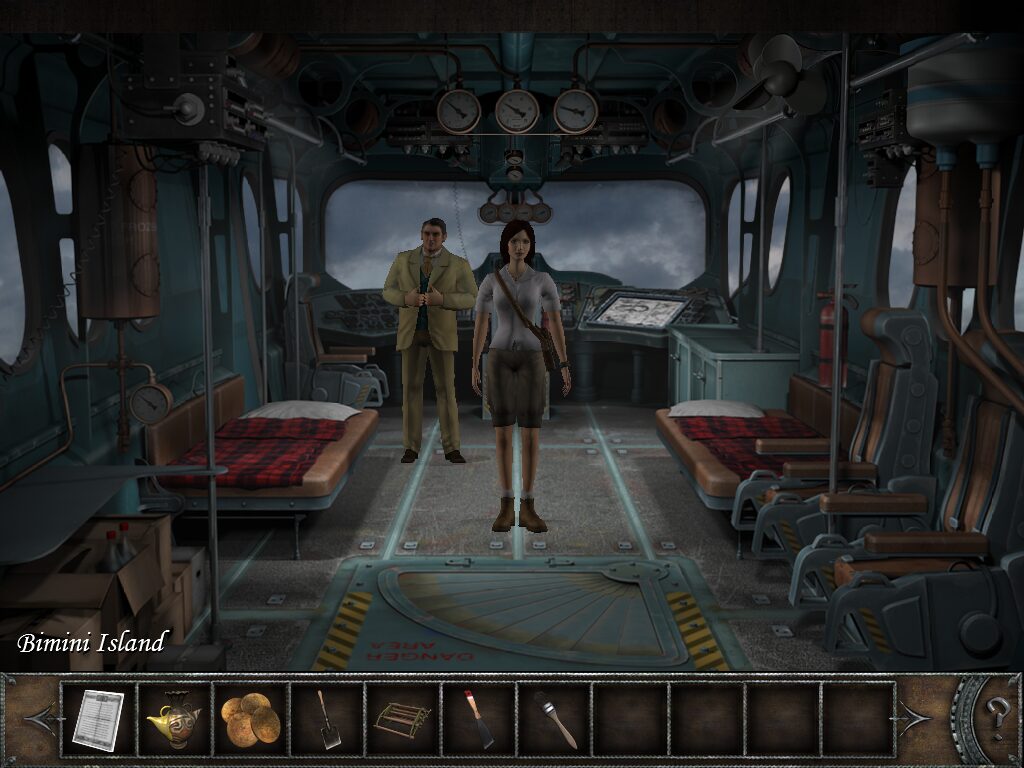
Locations are not merely window dressing but integral story beats—decoding Arabic inscriptions in Cairo, deciphering a Venetian cipher, and navigating the deck of a mysterious airship in Gibraltar all feel like natural extensions of the central mystery. By the time Sylvie and the count reach Bimini Island in the Bermuda Triangle, the stakes have been masterfully elevated from a scholarly puzzle to a matter of life and death.
Overall Experience
Chronicles of Mystery: The Tree of Life strikes an elegant balance between classic adventure mechanics and a modern user interface. Reassuringly familiar for fans of the genre, it also offers enough fresh twists—like the timed sequences and globe-spanning narrative—to captivate newcomers. The game’s pacing is deliberate, giving players time to savor each locale without ever feeling drawn out.
While the core gameplay loop follows established conventions, the combination of historical myths, well-crafted puzzles, and striking locales elevates the experience beyond routine fetch-quest fare. Sylvie Leroux remains a compelling protagonist whose curiosity and resourcefulness make every discovery feel earned. Supporting characters, including the stoic Saint-Germain and a host of colorful side figures, enrich the journey without overshadowing the central mystery.
Whether you’re a veteran of classic point-and-click adventures or new to the genre, The Tree of Life offers a thoughtfully paced, visually appealing, and narratively engaging experience. Its intuitive interface, comprehensive notebook, and forgiving autosave system ensure that players can focus on unraveling the legend of the Tree of Life rather than wrangling with menus or losing progress. In short, this sequel is a worthy continuation of Sylvie Leroux’s globetrotting investigations and a must-try for mystery enthusiasts.


Reviews
There are no reviews yet.