 Retro Replay Retro Replay gaming reviews, news, emulation, geek stuff and more!
Retro Replay Review
Gameplay
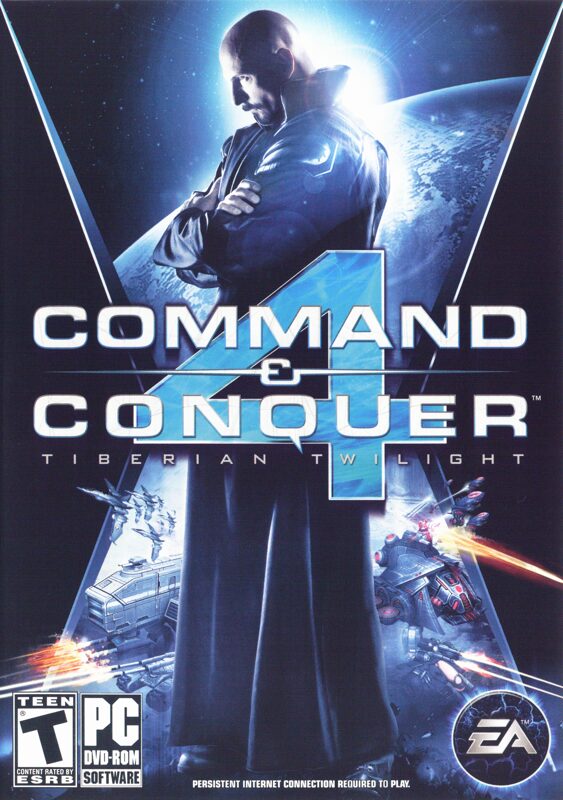
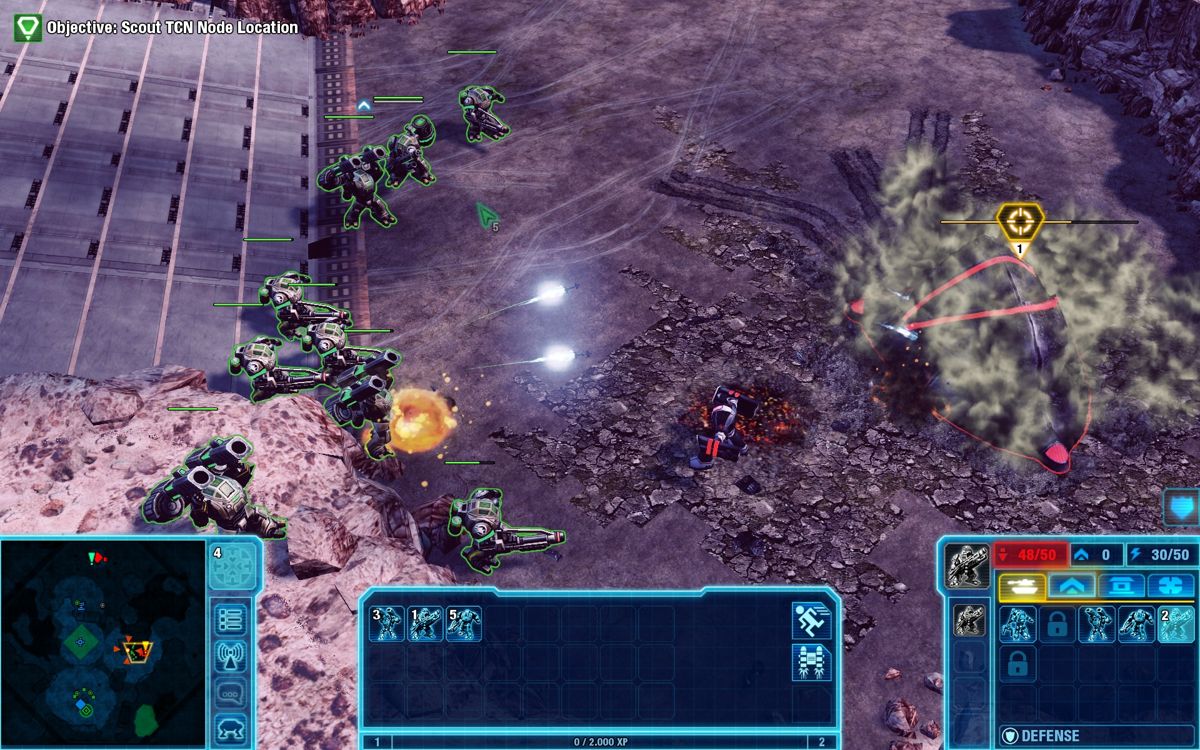
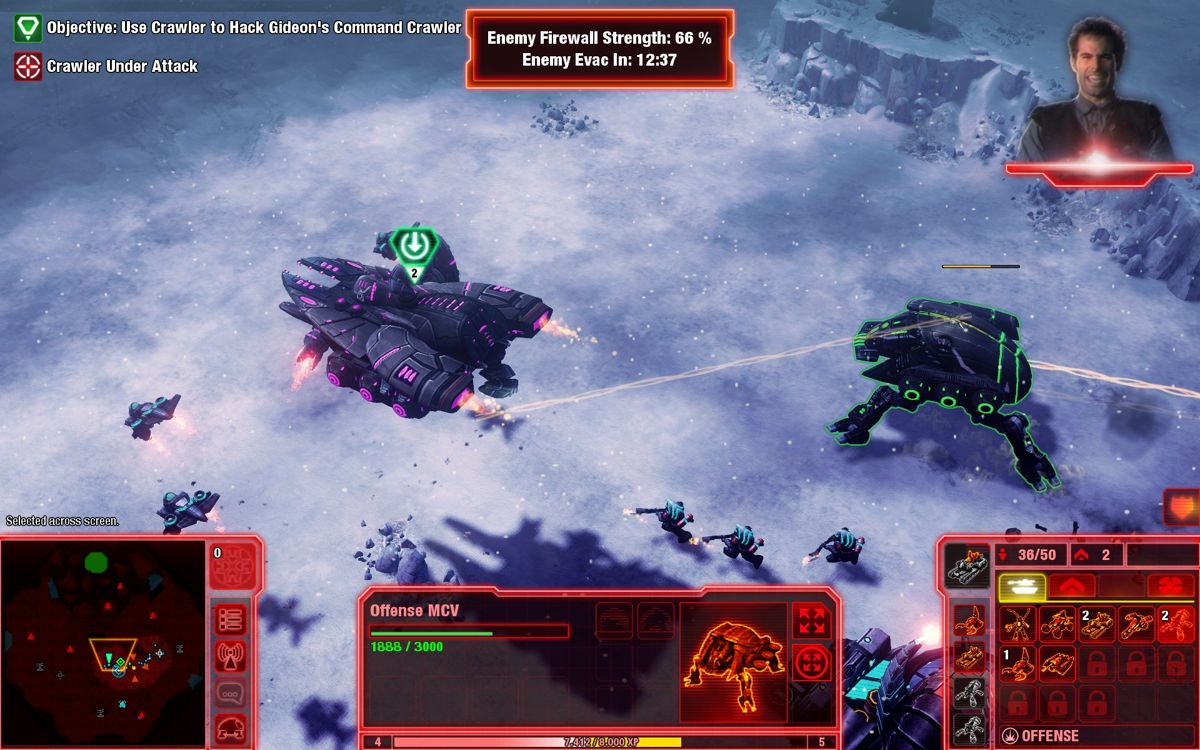
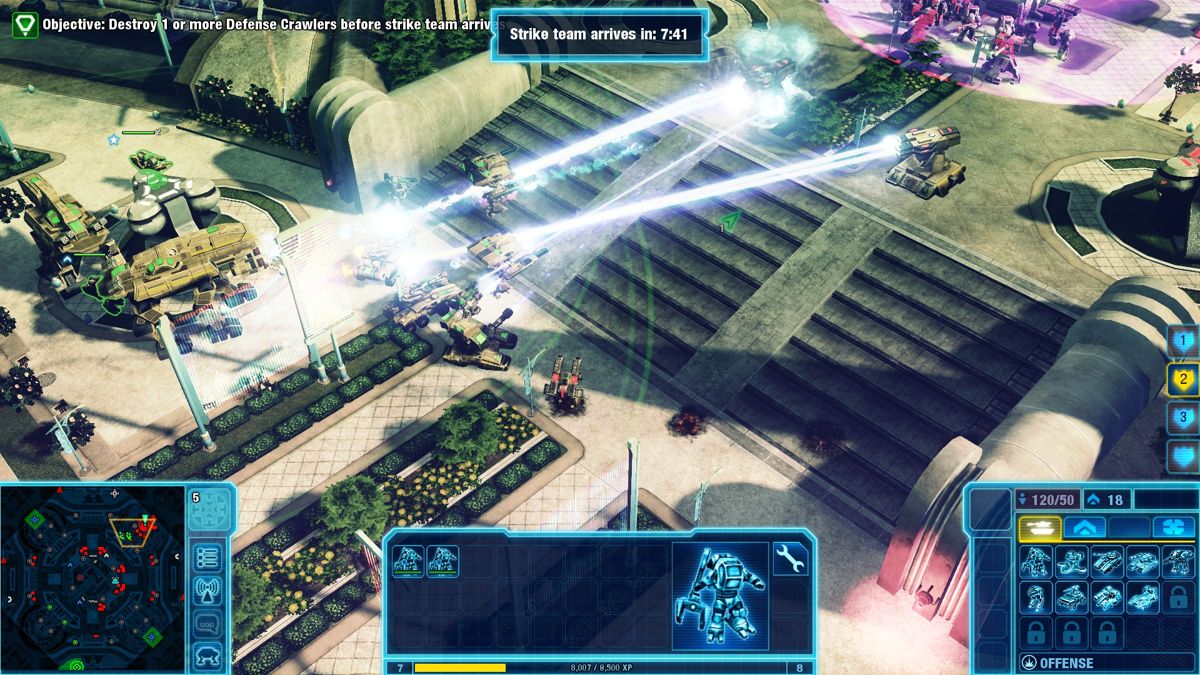
Command & Conquer 4: Tiberian Twilight marks a bold departure from traditional C&C conventions, stripping away base building and resource harvesting in favor of a more focused, squad-based system. At the start of each match, you choose one of three specialized Crawlers (your mobile command vehicle): Offensive, Defensive, or Support. Each Crawler unlocks a unique tech tree, from heavy tanks and mechs to bunkers, turrets, flying units, and tactical “spells” like area-reveal scans and carpet bombing.
(HEY YOU!! We hope you enjoy! We try not to run ads. So basically, this is a very expensive hobby running this site. Please consider joining us for updates, forums, and more. Network w/ us to make some cash or friends while retro gaming, and you can win some free retro games for posting. Okay, carry on 👍)
Rather than harvesting Tiberium, every unit costs a set number of command points drawn from a global pool. Deploy as many forces as your points allow, but once depleted, you must wait for kills or destroyed units to refund points. This “command economy” ensures every deployment matters; losing a veteran unit not only weakens your frontline but slows your tech progression since enemy kills also grant them experience.
Experience points drive commander progression, unlocking higher-tier units, global upgrades, and potent Crawler abilities. While you level up both in single-player and multiplayer, experience only benefits the faction you’re currently playing. Units on the battlefield gain up to four ranks per match, becoming stronger and gaining new attacks, while collectible Tiberium pods and upgrade cubes provide on-the-fly power boosts.
Multiplayer modes include cooperative campaign play and a ten-player Domination mode centered on capturing Tiberium Control Network hubs to score points. Combat remains frenetic, but the absence of base construction shifts the focus to map control, unit positioning, and commander skill—some fans will appreciate the streamlined pace, though purists may miss the traditional RTS macro.
Graphics
The game’s graphics engine delivers highly detailed unit models and dynamic particle effects that bring Tiberium’s otherworldly glow to life. Tanks clank realistically across terrain, infantry throw up dust clouds, and the diverse arsenal of weapons—railguns, flame throwers, and orbital strikes—produce satisfying visual feedback in every engagement.
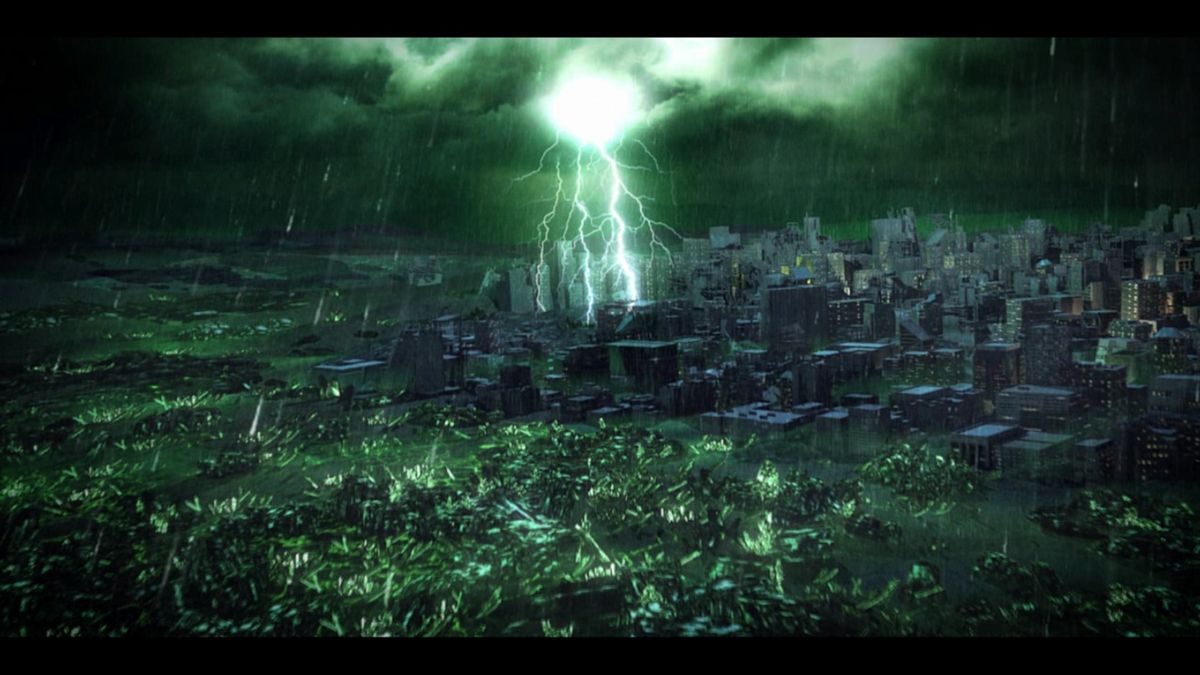
Environmental design captures a world ravaged by rampant Tiberium growth. Maps transition from blighted wastelands to partially reclaimed zones around active TCN hubs, complete with damaged structures and mutated foliage. This variety keeps matches visually engaging even after repeated plays, though some terrain textures feel recycled from earlier series entries.
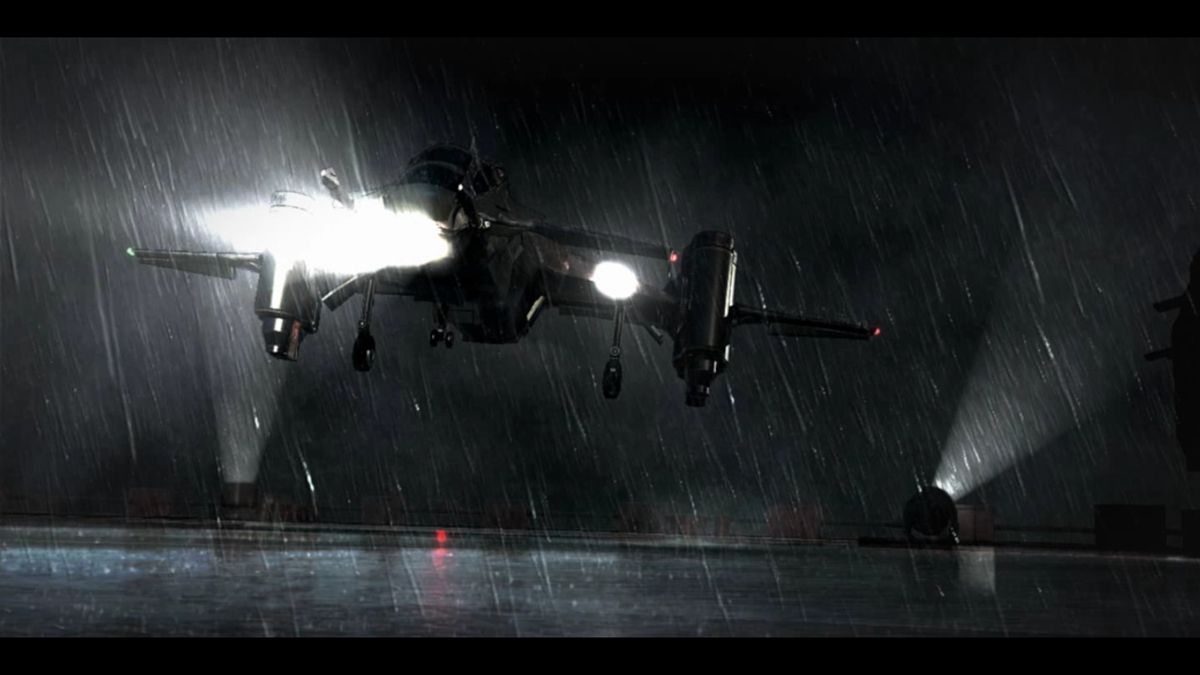
Cutscenes use full-motion video to continue the franchise’s legacy, offering polished production values and charismatic performances, especially from the actor portraying Kane. While some FMV segments evoke the series’ late-’90s charm, a handful of mission-briefing UI animations and dialogue windows feel dated compared to modern real-time cinematics.
User interface elements strike a balance between clarity and thematic style, with distinct faction colors and clear icons for unit abilities and upgrades. The minimap and command panel remain intuitive, ensuring quick unit deployment and seamless Crawler swaps even in the heat of battle.
Story
Set fifteen years after Command & Conquer 3: Tiberium Wars, Tiberian Twilight unfolds on an Earth teetering on the brink of ecological collapse. Tiberium’s unchecked spread has rendered most regions uninhabitable, forcing the GDI to forge an uneasy alliance with their arch-nemesis, the Brotherhood of Nod. At the heart of this alliance is Kane’s possession of the Tacitus, the ancient AI artifact capable of powering a Tiberium Control Network (TCN) to reverse the planet’s contamination.
By 2077, scattered TCN hubs have already begun purifying vast Tiberium fields, but the final step—the activation of a massive Scrin-constructed tower—promises to restore Earth fully. Internal strife erupts on both sides: some Nod lieutenants reject Kane’s vision, while GDI commanders remain wary of their once sworn enemy. This tension ultimately fractures the alliance, reigniting the classic GDI-Nod conflict even as Kane’s destiny marches toward its endgame.
The dual campaigns offer perspectives from both factions, weaving intense battlefield missions with full-motion video interludes. While the narrative stakes feel high and the quest to save Earth compelling, the push toward a final confrontation sometimes sacrifices nuanced character development for fast-paced mission design. Still, longtime fans will appreciate the weight of meeting plot threads that have simmered since the original Tiberian Sun.
With limited dialogue branches and a relatively fixed storyline, player choice carries little impact on the ultimate outcome. However, the rich lore—rooted in decades of C&C history—and the climactic resolution of Kane’s arc provide a satisfying sense of closure for franchise enthusiasts.
Overall Experience
Command & Conquer 4: Tiberian Twilight succeeds in reinventing series mechanics for players seeking a more streamlined, tactical experience. The command-point system and Crawler classes foster engaging decisions in unit composition and battlefield roles. Coop campaign and Domination multiplayer add replayability beyond the single-player narrative.
That said, the elimination of base building and resource gathering may disappoint veterans yearning for full macro-level control. The reduced strategic breadth can make matches feel more like skirmishes than large-scale wars, and the stringent command-point cap can sometimes lead to cautious, drawn-out engagements.
Graphically, the game holds its own with vivid environments, detailed units, and solid FMV performances—particularly by the actor portraying Kane. Storywise, the high-stakes alliance and final showdown evoke classic C&C drama, even if character development occasionally feels rushed.
Ultimately, Tiberian Twilight delivers a fresh spin on the RTS genre within the beloved Command & Conquer universe. Fans willing to embrace its streamlined systems and focus on tactical unit management will find a rewarding experience, while those expecting the sprawling base-building epics of yesteryear may want to temper their expectations. For players keen on fast-paced, squad-focused warfare wrapped in a climactic Tiberium saga, this installment is well worth exploring.


Reviews
There are no reviews yet.