 Retro Replay Retro Replay gaming reviews, news, emulation, geek stuff and more!
Retro Replay Review
Gameplay
Dark Ages: Online Roleplaying stands out with its intricate blend of traditional MMORPG mechanics and unique systems that go beyond mere combat and leveling. You’ll choose from four classic fantasy archetypes—warrior, mage, archer, and rogue—plus an anime-inspired monk whose mystical martial arts add a fresh twist to party composition. Each class feels distinct, and mastering their skill trees requires thoughtful investment of time to unlock signature abilities and synergies.
(HEY YOU!! We hope you enjoy! We try not to run ads. So basically, this is a very expensive hobby running this site. Please consider joining us for updates, forums, and more. Network w/ us to make some cash or friends while retro gaming, and you can win some free retro games for posting. Okay, carry on 👍)
What truly elevates the gameplay is the fully playable political and religious system. You can campaign for office in local duchies, influence taxation, or vie for ecclesiastical ranks in temples devoted to ancient Celtic deities. These hierarchies shift based on player votes and in-game events, so every election cycle and doctrinal debate carries weight—sometimes literally affecting how safe your caravan routes are or which buffs your guild enjoys.
Beyond PvE dungeons and PvP battlegrounds, Dark Ages hosts regular creative contests that reward winners with exclusive elite status and cosmetic gear. These events span art and storytelling challenges, encouraging community members to showcase talents beyond their combat prowess. It’s not uncommon to see a festival pop up celebrating last month’s lore-writing contest or a gallery of player-designed costumes displayed in the capital city.
Graphics
Despite its 1998 origins as Korea’s Legend of Darkness, the game’s isometric view has aged gracefully thanks to ongoing art updates. The world’s environments—rolling green pastures inspired by Irish legend, crumbling Lovecraftian ruins, and vibrant, anime-style temples—are rendered with rich textures and dynamic lighting. Seasonal events add snow or cherry blossoms, giving familiar regions a fresh palette and atmosphere.
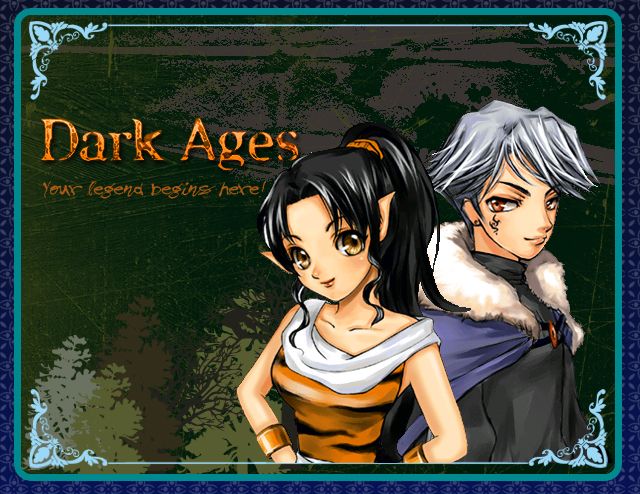
Character models reflect the fusion of styles at the heart of Dark Ages. Warriors bear Celtic knotwork on their armor, monks have exaggerated anime features like oversized sleeves and glowing eyes, while mages wield eldritch staves dripping with otherworldly energy. These details become particularly striking during large-scale battles, where swirling spells, flying arrows, and martial-arts flurries combine in a visually compelling tapestry.
While not as graphically cutting-edge as modern engines, the art direction compensates with atmospheric effects—fog rolling off haunted moors, flickering torchlight in cavernous temples, and ominous tentacles emerging from Necronomicon-style portals. The UI has been modernized over the years for easier navigation, but it remains customizable so veteran players can streamline their HUD to match personal preferences.
Story
The narrative tapestry of Dark Ages weaves Irish myth, Lovecraftian horror, and Korean anime sensibilities into a sprawling, player-shaped epic. Early quests introduce you to the Fae Courts and haunted abysses where unspeakable horrors lurk, setting a tone that’s equal parts fairy tale and nightmare. NPCs speak in verse one moment and issue dire prophecies the next, keeping you on edge about which allies might turn out to be cultists.
Political intrigue drives much of the mid-game content, as noble houses scheme for control of border provinces. Players who delve into the religious hierarchy uncover secret tomes and forbidden rites that can empower entire armies—or unleash cosmic terrors. These overlapping storylines ensure that no two playthroughs feel identical; your choices in a local election might prevent a demonic invasion in the next region.
Side quests emphasize character and community building. From helping a village resist mind-bending influences to collaborating on a bard’s epic poem, there’s a strong focus on social storytelling. Creative contests tie into this tradition by expanding the in-game lore—winning entries often become part of the codex, referenced in future updates and NPC dialogue.
Overall Experience
Playing Dark Ages: Online Roleplaying is like stepping into a living legend that evolves with its community. The core systems—combat, leveling, politics, and religion—interlock to create a deep, replayable world. Whether you’re storming dungeons with friends, campaigning for high priesthood, or showcasing your artwork in a seasonal fair, there’s always something meaningful to pursue.
The social fabric of the game feels particularly strong. Guilds form around shared political ambitions or artistic interests, and in-game festivals—complete with music, pageants, and PvP melees—foster a sense of immersion that few MMORPGs achieve. Community-run events often outshine official promotions, a testament to Dark Ages’ enduring legacy and passionate player base.
In an era dominated by blockbuster titles chasing graphically intense experiences, Dark Ages reminds us of the power of player agency and collaborative world-building. Its hybrid of Irish legend, Lovecraftian dread, and anime flair creates a distinctive setting that rewards curiosity and creativity. For those seeking an MMORPG with depth, lore, and a vibrant community, Dark Ages: Online Roleplaying remains a timeless choice.


Reviews
There are no reviews yet.