 Retro Replay Retro Replay gaming reviews, news, emulation, geek stuff and more!




Retro Replay Review
Gameplay
Destroyer Command places you at the helm of a U.S. Navy destroyer in the heat of World War II, offering a rich blend of tactical command and hands-on naval combat. Drawing from the Silent Hunter II engine, the game simulates everything from sonar pings to torpedo spreads with a level of detail that will appeal to hardcore simulation fans. You’re responsible not only for firing guns and torpedoes but also for plotting waypoints, managing damage control teams, and coordinating with friendly vessels.
(HEY YOU!! We hope you enjoy! We try not to run ads. So basically, this is a very expensive hobby running this site. Please consider joining us for updates, forums, and more. Network w/ us to make some cash or friends while retro gaming, and you can win some free retro games for posting. Okay, carry on 👍)
Campaign structure is divided between the Atlantic and Pacific theatres, each featuring roughly 20 missions. Historical scenarios cover convoys, submarine hunts, and escort duties, while two full campaigns let you experience multi-stage operations like hunter-killer groups in the Atlantic or shore bombardments in the Pacific. The mission briefs are well researched, and your performance can influence subsequent engagements, adding a light strategic layer beyond simple mission completion.
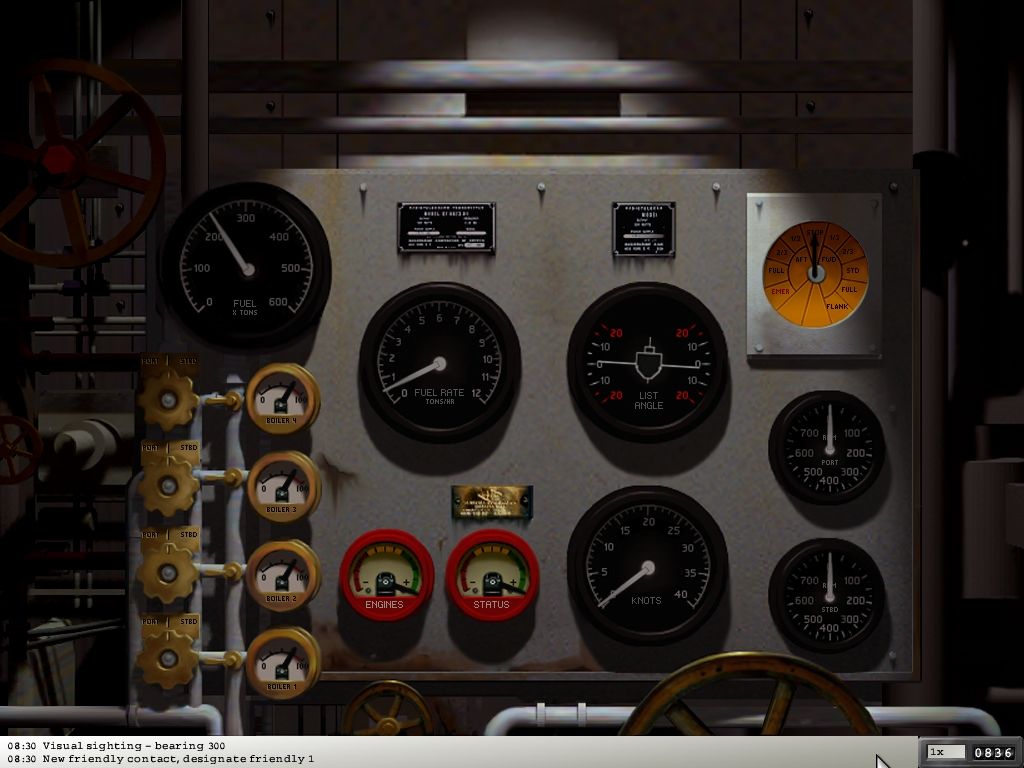
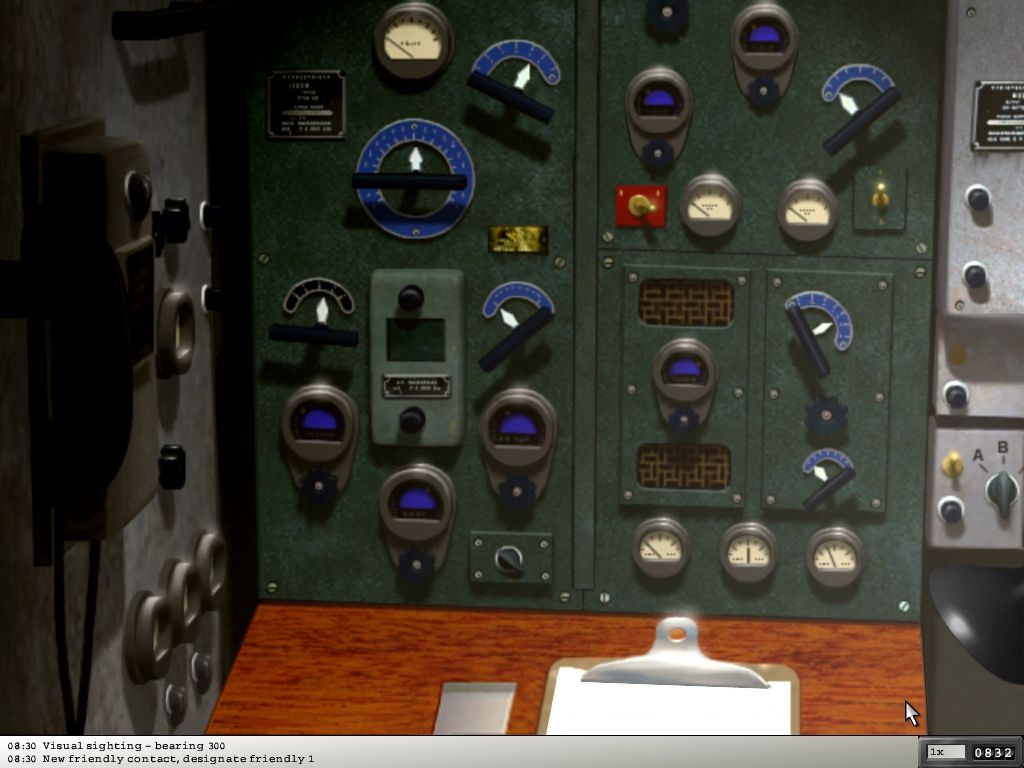
Controls are comprehensive but initially daunting. Keyboard shortcuts and radial menus handle everything from setting engagement ranges to ordering engine speed changes. The learning curve is steep, but an in-game tutorial and practice missions help you get up to speed. Once you master the HUD, commanding your destroyer feels incredibly immersive, and the sense of responsibility—keeping your ship afloat while coordinating attacks—creates genuine tension.
Multiplayer extends replayability with cooperative missions, head-to-head clashes, and even interoperability with Silent Hunter II, allowing friends in submarines to stalk your destroyer. Cooperative play lets you share command duties or control multiple destroyers in a small flotilla. Head-to-head battles are a test of pure gunnery and maneuvering, while the interoperability mode adds a cat-and-mouse dimension that’s thrilling and unpredictable.
Graphics
Visually, Destroyer Command inherits a familiar look from Silent Hunter II but refines it to suit surface warfare. Ships are modeled with meticulous attention to detail, displaying realistic gun mounts, depth charge throwers, and damage states. Hull breaches and flooding are rendered dynamically, giving you visual cues about your ship’s condition that complement the damage control reports.
The ocean environment is the star of the show—rolling waves, wakes, and foam plumes around moving hulls convey convincing momentum. Reflective water surfaces shimmer under changing skies, and dynamic lighting captures dawn patrols or moonlit engagements. Weather effects like fog and rain not only look atmospheric but also impact visibility and sensor performance, forcing tactical adjustments.
Landscapes and shorelines in the Pacific campaigns come alive with island silhouettes, palm trees, and distant fortifications, though some textures feel dated by modern standards. Explosions and shell splashes are satisfyingly punchy, though particle counts can be sparse in heated battles. On mid-range hardware, you may notice occasional frame dips when multiple ships and effects overlap, but most players find the balance between fidelity and performance acceptable.
Customization options let you adjust detail levels, draw distances, and water quality to suit your system. While the graphics engine shows its age compared to contemporary titles, its stylized realism and focus on naval authenticity make for an engaging visual package that still holds up for fans of historical simulations.
Story
Destroyer Command doesn’t deliver a narrative in the traditional sense but instead embeds you within a series of historically inspired missions that collectively tell the story of destroyer warfare in World War II. Briefings include period photos, command objectives, and intelligence snippets, setting the stage for each deployment without contrived cutscenes or fictional characters.
In the Atlantic campaign, you reenact convoy escort actions against German U-boat wolfpacks, complete with sonar tracking, depth charge patterns, and rescue operations for torpedoed vessels. The sense of realism comes from authentic mission parameters and accurate maps of the North Atlantic sea lanes. Each mission’s aftermath report details tonnage saved or lost, giving you a tangible measure of your strategic impact.
The Pacific theatre offers a contrasting narrative: island-hopping amphibious assaults, night engagements with Japanese destroyers, and close-in shore bombardment tasks. Though there’s no overarching protagonist, the diversity of missions and dynamic impact on broader operations create a loose storyline that connects your destroyer’s service from the Aleutians down to the Philippines.
While story purists might miss character-driven arcs, history buffs will appreciate the authenticity. Mission briefings reference real events, and the outcome of your actions feeds back into campaign planning, lending a sense of continuity. The game trusts you to craft your own narrative through victories, setbacks, and tactical ingenuity.
Overall Experience
Destroyer Command excels as a dedicated naval combat simulator, offering depth of command that few games match. Its solid foundation on the Silent Hunter II engine provides reliable physics, sound design, and a robust AI framework. For enthusiasts of World War II history and naval strategy, the game’s fidelity and mission variety deliver a compelling, long-lasting experience.
However, the steep learning curve and somewhat dated interface may deter casual players. Getting comfortable with multi-tasking—maneuvering your ship, managing crew stations, and interpreting sensor data—takes time and patience. Once mastered, though, the payoff is significant: every depth charge salvo or radar lock becomes a personal achievement.
Multiplayer modes breathe additional life into the package, especially the interoperability with Silent Hunter II, which transforms routine convoy defense into cat-and-mouse games against human U-boat captains. The cooperative campaign mode also shines, letting friends share the thrill of large-scale destroyer operations. These features amplify replay value and encourage community engagement.
In summary, Destroyer Command is a rewarding purchase for dedicated simmers and history aficionados. Its combination of tactical depth, atmospheric graphics, and loosely woven historical narrative creates an immersive naval warfare sandbox. While not for everyone, those willing to invest the time will find a richly detailed portrayal of destroyer combat in World War II that remains engaging years after release.


Reviews
There are no reviews yet.