 Retro Replay Retro Replay gaming reviews, news, emulation, geek stuff and more!
Retro Replay Review
Gameplay
Deus Ex: Invisible War builds upon the multi-faceted mechanics of the original title, blending first-person shooting, stealth, hacking, and role-playing elements to create a flexible sandbox for player interaction. From the outset, you’re presented with diverse mission objectives and multiple avenues to achieve them—whether you choose to sneak past guards, hack security terminals, or unleash a hail of bullets. This emphasis on player choice fosters a sense of agency, allowing you to shape each encounter according to your preferred style.
(HEY YOU!! We hope you enjoy! We try not to run ads. So basically, this is a very expensive hobby running this site. Please consider joining us for updates, forums, and more. Network w/ us to make some cash or friends while retro gaming, and you can win some free retro games for posting. Okay, carry on 👍)
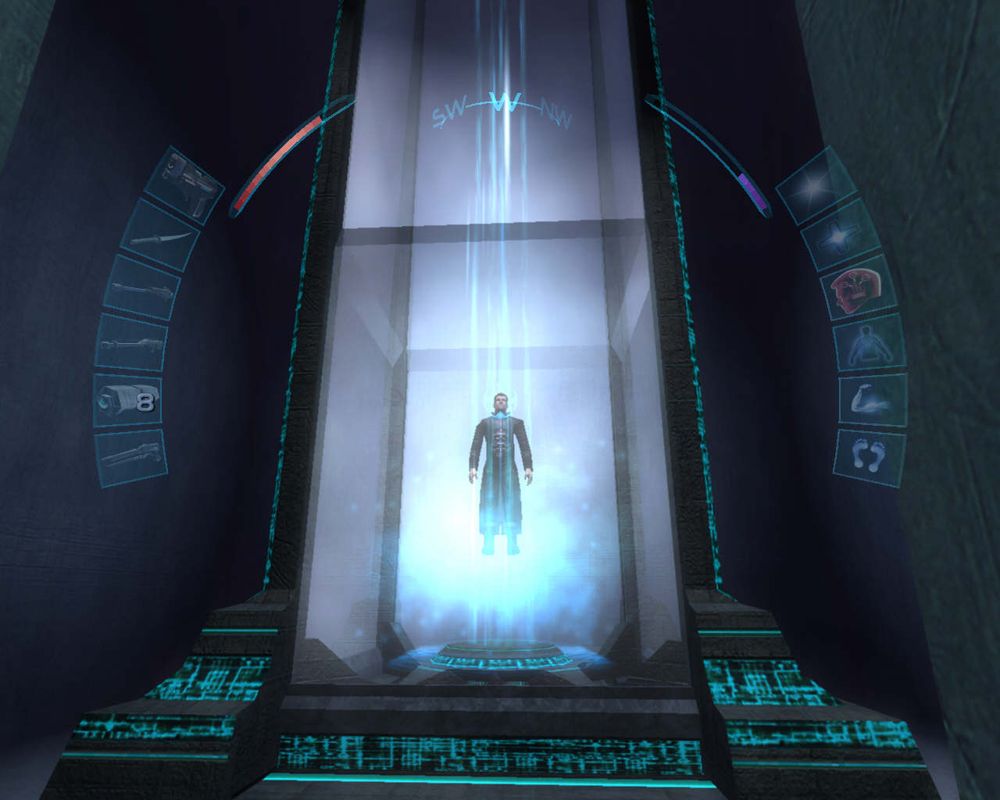
The biomod system, while streamlined from the original Deus Ex, remains a core aspect of character progression. Instead of traditional experience points, Invisible War relies on biotech canisters scattered across levels to upgrade abilities such as cloaking, wallhacks, and regenerative healing. Though some players miss the deep skill trees of the first game, the simplified approach accelerates the pace and encourages experimentation with different augmentations, ensuring each playthrough offers new surprises.
Weapon customization is another standout feature—suppressors, rate-of-fire tweaks, and even glass-piercing rounds can be attached or detached on the fly, giving you granular control over your arsenal. This modular design not only adds depth to combat scenarios but also rewards creativity: a silenced pistol can turn you into a ghost, while a fully modded assault rifle transforms you into a one-man army. Combined with a balanced AI that reacts dynamically to alarms and sightings, every firefight feels tense and unpredictable.
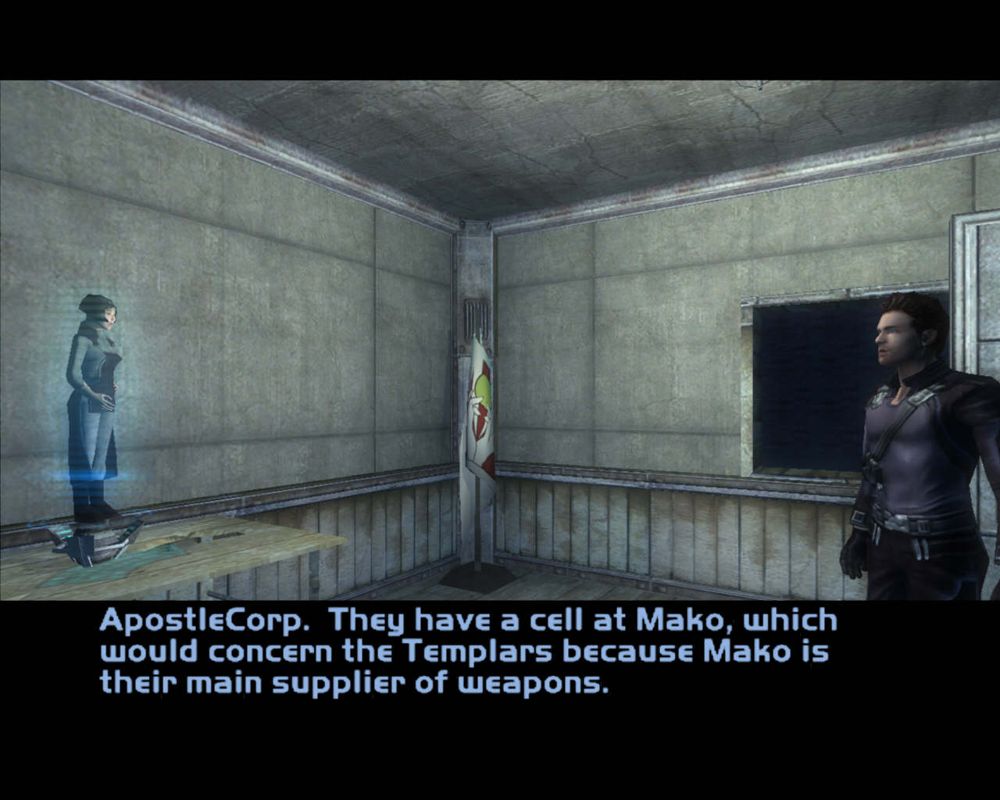
Dialog and NPC interactions continue to play a vital role, with choices affecting alliances and mission availability. Conversations are more streamlined than before, but they retain enough branching options to make you think twice before choosing your words. These interludes provide context to the grander conspiracy at play, and your decisions can unlock alternative paths or new side quests, reinforcing the notion that Invisible War is as much a game of diplomacy as it is of destruction.
Graphics
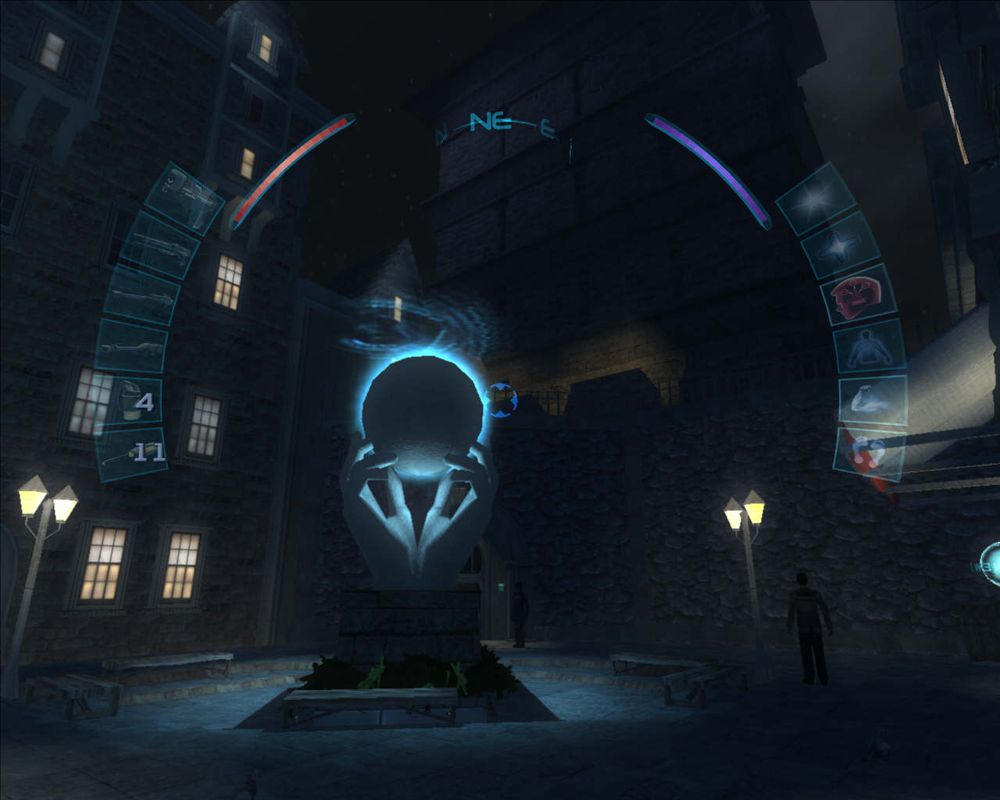
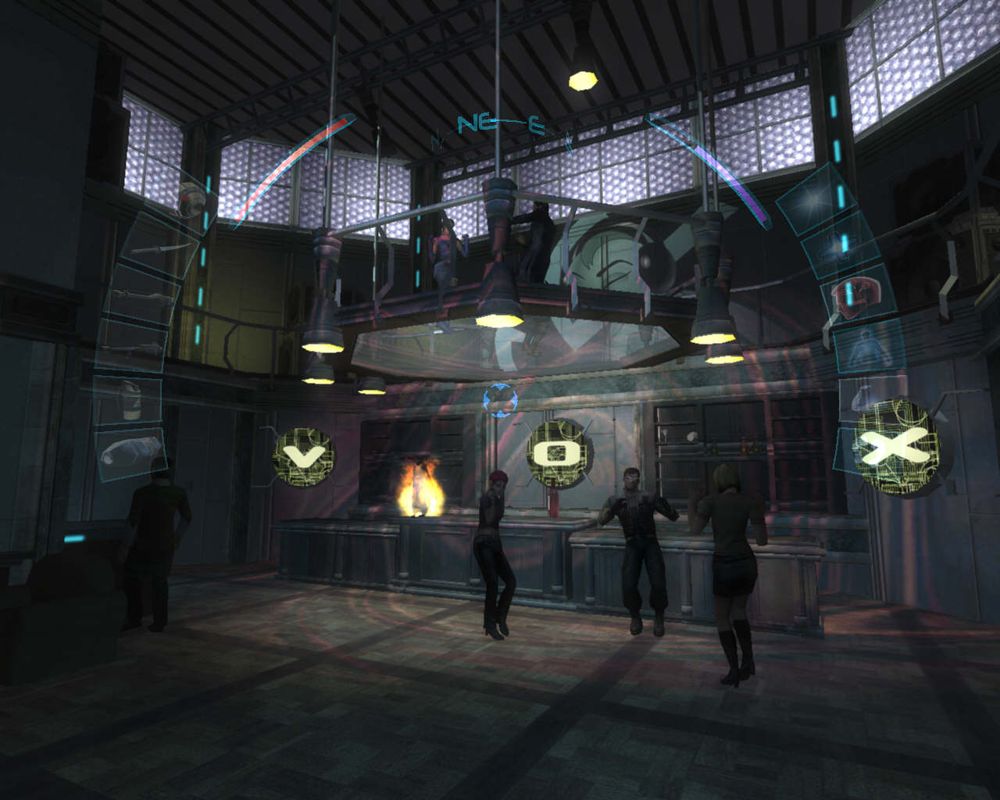
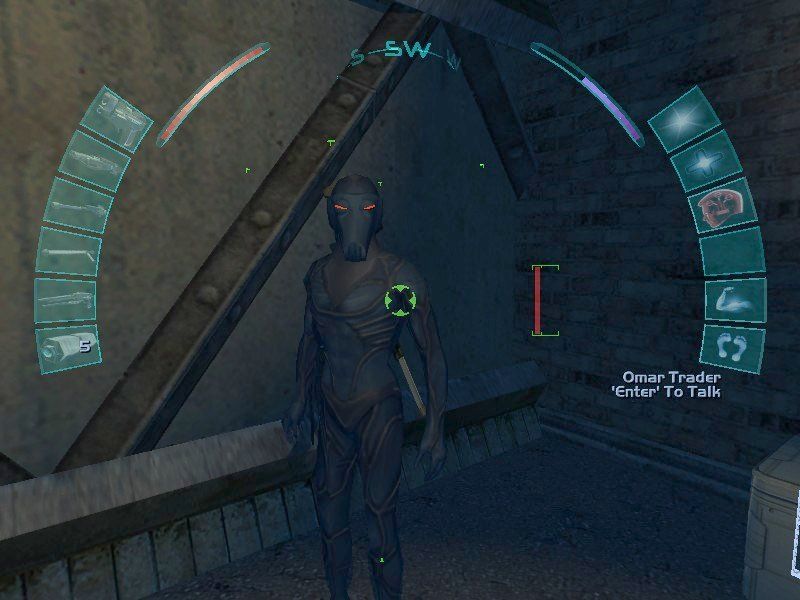
Launching in 2003, Deus Ex: Invisible War capitalized on the hardware of the era to deliver a visually immersive world that transitions from the neon-lit sprawl of Seattle to the crumbling ruins of post-Chicago. The environmental design is rich with detail—rusted metal corridors, flickering lights, and bustling marketplaces all contribute to a believable cyber-punk aesthetic. Though texture resolutions may appear dated by today’s standards, the game’s art direction compensates with strong mood-setting and memorable set pieces.
Character models exhibit a varied range of designs, from trench-coated conspirators to sleek biotech-enhanced soldiers, each reflecting their faction’s philosophy and resources. Facial animations can be stiff at times, but the voice acting more than carries the narrative weight, offering convincing performances that enhance the unfolding drama. Environmental effects like dynamic lighting and particle systems further immerse you, especially during power-blackout moments where shadows become both ally and enemy.
Invisible War’s level architecture excels at verticality—ventilation shafts, walkways, and rooftops provide alternative routes that cater to stealth-focused players. While some areas suffer from occasional pop-in textures or sparse foliage, the overall visual cohesion is commendable, creating a world that feels as precarious as its political climate. Fast-paced weapon fire merges with ambient sounds of drones and distant sirens, weaving an aural tapestry that complements the graphical presentation.
On modern systems, the game can be enhanced with HD texture packs and widescreen patches, breathing new life into the original assets without altering the core experience. These community-driven improvements underscore the lasting appeal of Invisible War’s artistic foundation, demonstrating that even two decades later, its visual strengths can shine with a little polish.
Story
Set two decades after the events of Deus Ex, Invisible War thrusts you into a world teetering on the edge of collapse. The aftermath of “The Collapse” has splintered society, with biotech giants dismantled and power vacuums exploited by religious fanatics and political zealots alike. This fractured landscape provides fertile ground for a narrative ripe with intrigue, deception, and moral ambiguity.
Your journey begins in the wreckage of Chicago, where an inexplicable energy blast forces you to flee alongside fellow Tarsus Academy cadet Billie Adams. As you navigate the shifting allegiances between Tarsus, the shadowy Order, and rival factions, every piece of dialogue and mission choice peels back layers of a conspiracy that threatens global stability. The branching storylines ensure that your actions reverberate through the game world, leading to multiple potential alliances and endings.
Invisible War excels at presenting ethical dilemmas without clear-cut answers. Do you empower a humanitarian group at the risk of enabling yet another regime? Can you trust a corporation that once enslaved humanity through biotech? These questions drive the plot forward, prompting you to question your own motives as much as those of the NPCs you encounter. Though some narrative threads feel hurried compared to the methodical pacing of the original, the overall tapestry remains engaging and thought-provoking.
The game’s supporting cast is robust, featuring memorable characters whose fates hinge on your decisions. From zealous Order cultists to disillusioned mercenaries, each interaction shapes your worldview and the ultimate resolution of the Invisible War. This emphasis on narrative impact elevates the experience beyond a typical shooter, reminding players that in this dystopian future, words can be as powerful as bullets.
Overall Experience
Deus Ex: Invisible War is a bold sequel that refines and streamlines the ambitious formula of its predecessor. While long-time fans may lament the reduction of traditional RPG elements like experience points, the game compensates with faster progression, tighter pacing, and a stronger focus on player-driven narrative. Whether you’re hacking into secure networks or engaging in all-out gunfights, every moment feels purposeful and fueled by your choices.
The balance between shooting, stealth, and diplomacy gives Invisible War a unique rhythm—missions can be approached in countless ways, ensuring that no two playthroughs feel identical. Biomod and weapon upgrades empower you to experiment, allowing for creative problem-solving that often yields unexpected outcomes. Despite occasional technical hiccups, the game’s modular design and branching story keep the tension high and the replay value substantial.
Though it may not eclipse the genre-defining impact of the original Deus Ex, Invisible War stands on its own as a compelling vision of a cybernetic future. It opts for accessibility over complexity, making it more approachable for newcomers while still offering depth for veterans. The narrative may move at a brisker clip, but its themes of power, identity, and control remain as relevant as ever.
In the end, Deus Ex: Invisible War delivers an engaging package that rewards both action-oriented and contemplative players. Its world of conspiracy and conflict beckons you to carve your own path, and the consequences of your choices resonate far beyond any single mission. For those seeking a thought-provoking shooter with genuine replayability, Invisible War is a journey worth undertaking.


Reviews
There are no reviews yet.