 Retro Replay Retro Replay gaming reviews, news, emulation, geek stuff and more!

Retro Replay Review
Gameplay
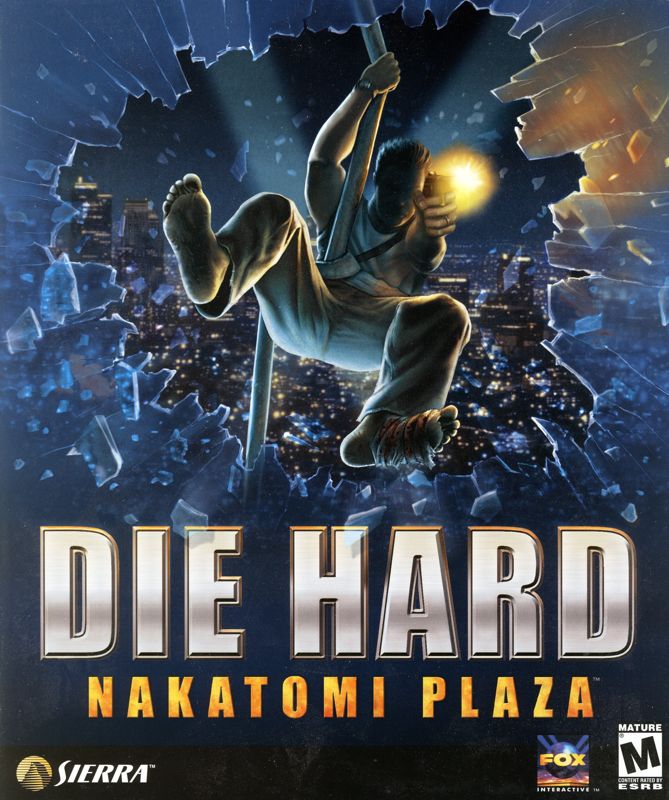
Die Hard: Nakatomi Plaza puts you in the boots of John McClane as you fight your way through the infamous Nakatomi Plaza office building. The core mechanics lean heavily into third-person shooter conventions, offering a blend of cover-based firefights and free-roaming exploration. What sets this game apart is its commitment to reenacting key moments from the 1988 film: you’ll find yourself crawling through air ducts with only a lighter to guide you, sniping terrorists from safe vantage points, and even negotiating a dramatic encounter on the roof helipad.
(HEY YOU!! We hope you enjoy! We try not to run ads. So basically, this is a very expensive hobby running this site. Please consider joining us for updates, forums, and more. Network w/ us to make some cash or friends while retro gaming, and you can win some free retro games for posting. Okay, carry on 👍)
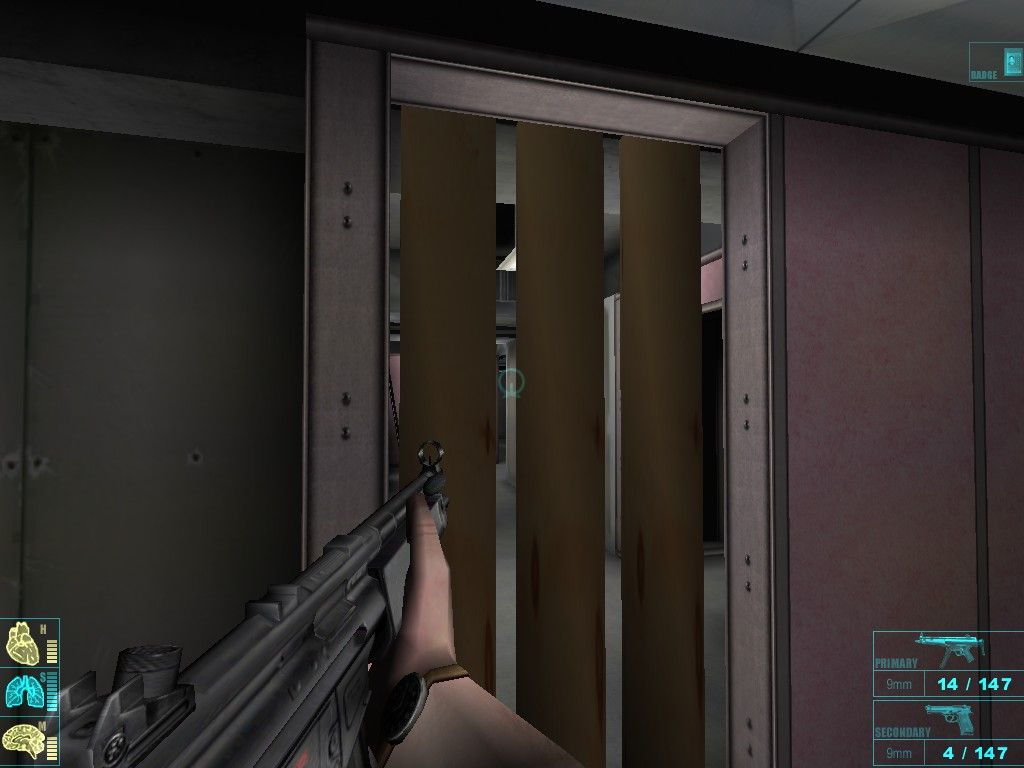
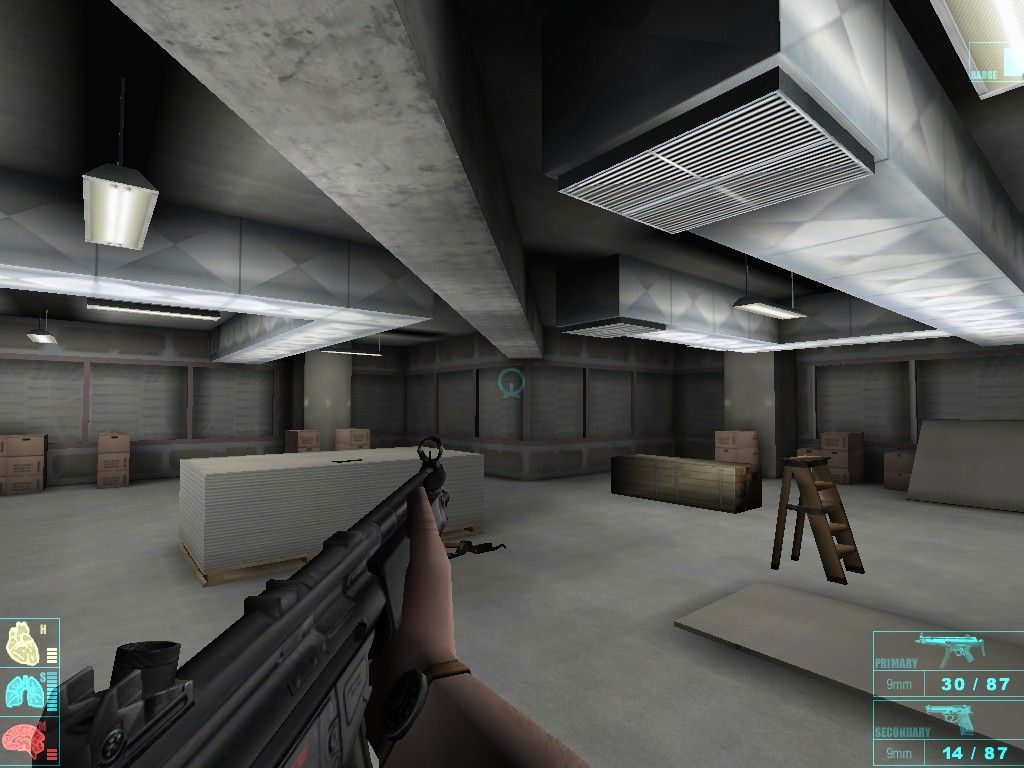
The game’s health, stamina, and resolve meters add a strategic layer to combat. Health is your usual hit point gauge, but stamina governs how long McClane can sprint or climb before needing to catch his breath. Resolve is the most intriguing meter—your shots become steadier and deadlier as you rack up kills (boosting confidence), yet sloppy or reckless play, such as taking heavy fire, will cause your accuracy to wobble. This dynamic pushes you to balance aggression with caution, mimicking McClane’s gritty, improvisational style.
Levels follow the film’s chronology almost beat-for-beat, but the developers have padded out certain stages to fill in narrative gaps. You might revisit a familiar office floor for a more extended firefight or explore behind-the-scenes corridors where conspiracies unfold off-screen from the movie. While some players may find these expanded sequences repetitive, fans of the franchise will appreciate the extra context and the opportunity to play through events that could only be hinted at in the film.
Graphics
Nakatomi Plaza’s visuals aim to transport you straight into the 1988 blockbuster, and in many respects, they succeed admirably. The developers painstakingly recreated the Fox Tower’s sleek glass and steel architecture, right down to the Christmas decorations scattered throughout the lobby. Interior spaces—from the executive offices to the corporate cafeteria—are all instantly recognizable to anyone who’s seen Bruce Willis dodge Hans Gruber’s men.
While character models don’t boast the hyper-realism of modern engines, they strike a respectable balance for a late-2000s title. McClane’s stance, gestures, and even his signature left-handed shooting feel remarkably authentic, and the voice work—boasting impersonators for Willis and co., plus the genuine Reginald Vel Johnson reprising his role—lends a solid sense of immersion. Textures can look a bit flat up close, but dynamic lighting and particle effects (smoke from gunfire, sparks from damaged walls) inject enough atmosphere to keep each skirmish visually engaging.
One of the strongest aspects of the presentation is the reuse of the film’s original sound design and music cues. The telltale rumble of helicopters, the echoing footsteps in empty hallways, and Hans Gruber’s chilling theme all return, evoking nostalgic thrills. This audio-visual synergy elevates the environments from mere polygonal sets to faithful stage recreations of some of cinema’s most iconic moments.
Story
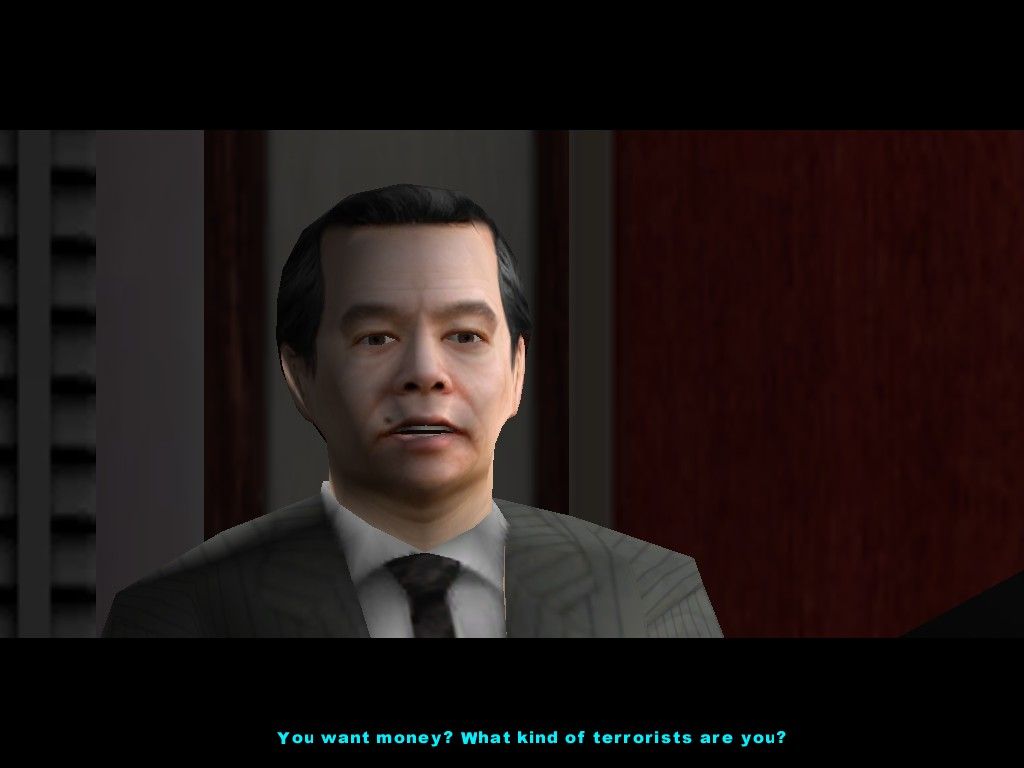
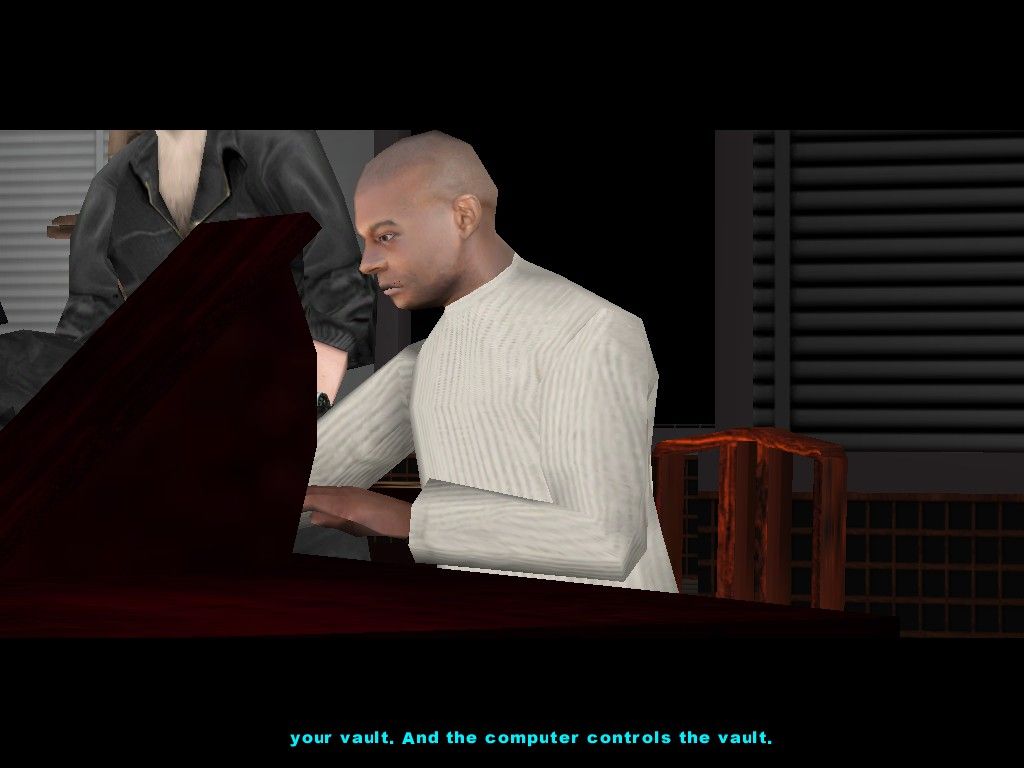
True to its license, Die Hard: Nakatomi Plaza adheres closely to the film’s narrative spine. You’re John McClane, a fish-out-of-water NYPD detective in Los Angeles, caught in a hostage situation during a high-profile corporate Christmas party. The plot unfolds through a mixture of in-engine cutscenes, pre-rendered footage, and dialogue exchanges—many lifted or lightly adapted from the movie’s script.
For die-hard fans, the game delivers countless Easter eggs and callbacks: Holly Gennaro’s nervous phone calls, Sgt. Al Powell’s updates via radio, and the gradual escalation of Hans Gruber’s taunts. Even scenes that are absent from the film’s main timeline get their moment in the game. You might discover what McClane did while waiting for that truck driver or why he paused at certain key locations, providing a more comprehensive chronicle of his one-man war on terror.
While the expanded content enriches the storyline, it can sometimes feel like mission padding rather than genuine narrative development. Certain side corridors and extended enemy waves exist purely to bulk up gameplay time, without revealing much new about the characters. Nonetheless, if you’re invested in the Die Hard universe, these detours offer a fresh perspective on a story that’s been retold countless times across different media.
Overall Experience
Die Hard: Nakatomi Plaza is a love letter to fans of the original film, delivering familiar landmarks, music, and dialogue in a playable form. The combination of tight, tense firefights and a sturdy cinematic framework generates excitement reminiscent of watching John McClane improvise his way to victory. The health-stamina-resolve system keeps encounters from becoming one-note, and the expanded levels add moderate replay value.
However, the game’s age shows in its episodic pacing and dated visuals. Modern players accustomed to seamless storytelling and photoreal graphics might find the controls a bit clunky and the enemy AI occasionally predictable. Some extended sequences risk overstaying their welcome, but they do succeed in padding out a story that, in film form, runs under two hours.
Overall, Die Hard: Nakatomi Plaza stands as a solid retro shooter that excels in authenticity and fan service. If you long to walk the halls of Nakatomi Plaza, relive iconic scenes, and experience new angles on a beloved action classic, this game delivers. Just be prepared for a few rough edges along the way.


Reviews
There are no reviews yet.