 Retro Replay Retro Replay gaming reviews, news, emulation, geek stuff and more!



Retro Replay Review
Gameplay
Dreamcube’s gameplay is centered around the idea of exploring ten distinct dream worlds, each featuring a suite of ten mini-games. Players step into Jack’s shoes and navigate through imaginative environments ranging from the futuristic corridors of a Science Fiction realm to the sweltering jungles of the Inca world. These mini-games vary widely in objective, from platform-style item-collecting challenges to precision Sokoban puzzles, keeping the experience fresh and engaging throughout the adventure.
(HEY YOU!! We hope you enjoy! We try not to run ads. So basically, this is a very expensive hobby running this site. Please consider joining us for updates, forums, and more. Network w/ us to make some cash or friends while retro gaming, and you can win some free retro games for posting. Okay, carry on 👍)
Control-wise, Dreamcube supports both keyboard and gamepad inputs, offering smooth and responsive handling whether you’re dodging obstacles in a high-speed checkpoint race or guiding a marble through twisting passages in the Marble Madness variant. The learning curve is gentle at first, as early stages introduce basic mechanics, but as you advance you’ll need sharp reflexes and quick thinking to collect dream crystals, avoid hazards, and optimize your paths through each level.
Replayability is built into Dreamcube’s structure. Every world features a handful of hidden collectibles and time-based goals that challenge you to revisit levels and refine your performance. Seeing your best times and crystal counts improve provides a satisfying sense of progression. Between the trivia quiz rounds testing your pop-culture and historical knowledge, and the cannon-shooting sections demanding aim and timing, you’ll find reasons to come back long after you’ve escaped each cube.
Graphics
Visually, Dreamcube strikes a balance between cartoonish charm and evocative dreamscapes. Each world boasts its own color palette and design motifs—icy blues and jagged ice formations for the Ice world, sun-bleached sands and palm trees for the Beach stage—that help establish atmosphere and set expectations for the challenges ahead. Background details like drifting clouds or flickering torches lend subtle depth without distracting from the action.
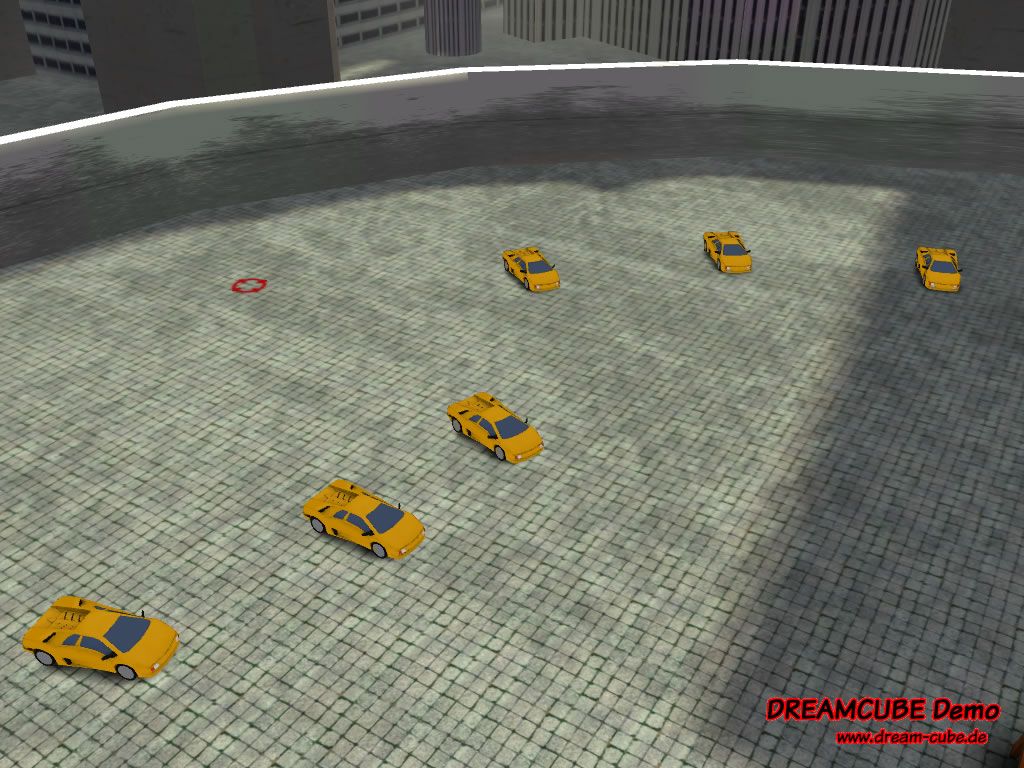
Character and object sprites are crisp and well-animated, with smooth transitions that keep gameplay legible even in fast-paced segments such as driving and flying races. The particle effects for collecting dream crystals or blasting enemies with the cannon add satisfying visual feedback without overtaxing system resources, making Dreamcube accessible on a wide range of hardware configurations.
Subtle environmental animations—swaying jungle vines, rolling tumbleweeds in the Wild West world, or flowing water in the City level—enhance immersion without becoming repetitive. While the mini-games share a common visual framework, careful attention to thematic details ensures each world feels unique. Overall, Dreamcube’s graphics contribute strongly to the game’s dreamlike appeal, drawing you deeper into Jack’s surreal odyssey.
Story
Dreamcube’s narrative premise is simple but effective: Jack receives a mysterious cube for his birthday, and upon falling asleep is drawn into its internal dream realms. The story provides enough context to motivate your progress—collect dream crystals to unlock the exit portal—but avoids lengthy cutscenes or exposition that might interrupt the gameplay flow. Instead, brief interludes between worlds keep the pace brisk while reinforcing the overarching goal of escaping the cube.
Though the plot is relatively lightweight, the dream motif permeates each level. You get the sense that the cube’s worlds are reflections of Jack’s subconscious fantasies and fears, which explains the eclectic mix of genres—from an adrenaline-pumping pirate ship cannon battle to a serene Farm platformer. This loose narrative framework encourages players to use their imagination, filling in the gaps with their own interpretations of why these worlds manifest in Jack’s slumber.
Supporting characters are minimal, but small visual and audio cues—like whispering echoes when you collect the last crystal—add personality and atmosphere. The absence of spoken dialogue keeps the story accessible across languages and age groups. Ultimately, while Dreamcube isn’t a narrative heavyweight, it uses its story elements to nicely anchor the gameplay and give each world a sense of purpose.
Overall Experience
Dreamcube offers a well-balanced blend of variety and cohesion. With its ten themed worlds and ten unique mini-games in each, you’re unlikely to hit a point of boredom or repetition too quickly. Whether you’re racing against the clock, solving a block-pushing puzzle, or answering trivia questions under time pressure, Dreamcube’s pace remains engaging and dynamic.
The game’s moderate difficulty curve and optional challenges make it suitable for both casual players and completionists. If you enjoy refining your best times or collecting every last hidden collectible, there’s ample incentive to push your skills. On the other hand, those who just want to experience the worlds and narrative can breeze through at a leisurely pace.
In summary, Dreamcube is a creative compilation of mini-games wrapped in a cohesive dream-themed package. Its accessible controls, varied gameplay styles, and charming graphics make it a strong pick for gamers seeking a lighthearted yet stimulating adventure. If you’re looking for a title that offers bite-sized challenges with long-term replay value, Jack’s journey through the Dreamcube is one you definitely won’t want to miss.


Reviews
There are no reviews yet.