 Retro Replay Retro Replay gaming reviews, news, emulation, geek stuff and more!


Retro Replay Review
Gameplay
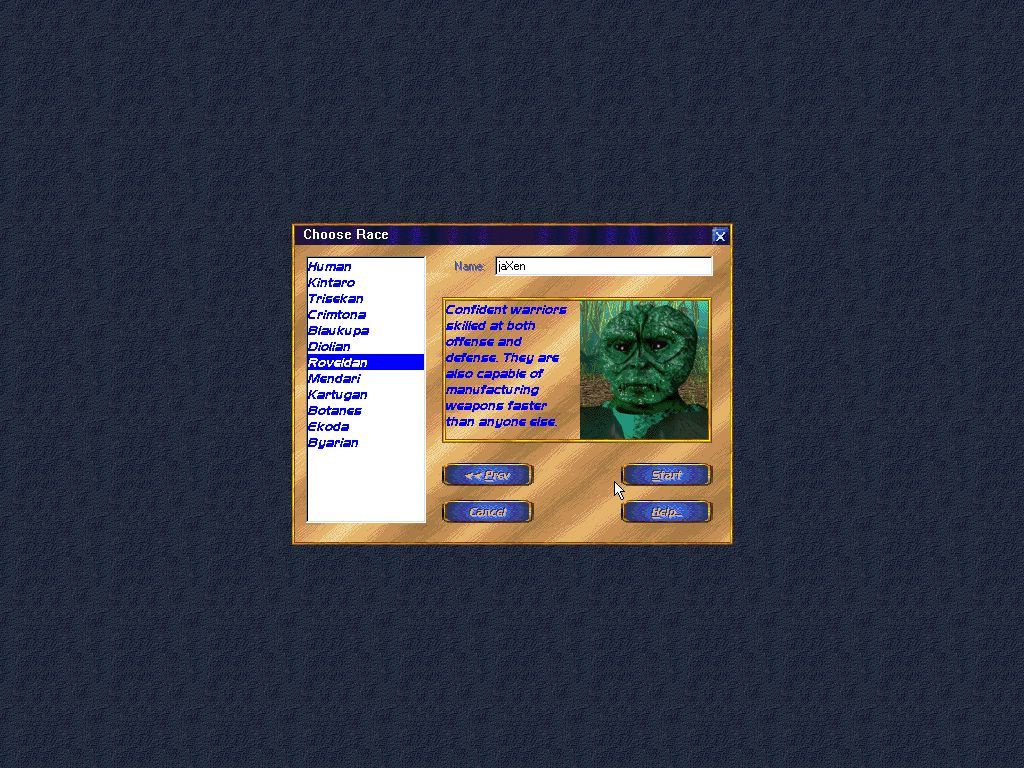
Enemy Nations delivers a rich real-time strategy experience that puts equal emphasis on military tactics and complex economic underpinnings. From the moment you select your leader—be it one of the numerous alien civilizations or the familiar Earthling faction—you are immediately thrust into a sandbox world where your decisions shape the fate of an entire planet. The variety of races isn’t just cosmetic; each brings unique units, special abilities, and resource-gathering methods that reward experimentation and replayability.
(HEY YOU!! We hope you enjoy! We try not to run ads. So basically, this is a very expensive hobby running this site. Please consider joining us for updates, forums, and more. Network w/ us to make some cash or friends while retro gaming, and you can win some free retro games for posting. Okay, carry on 👍)
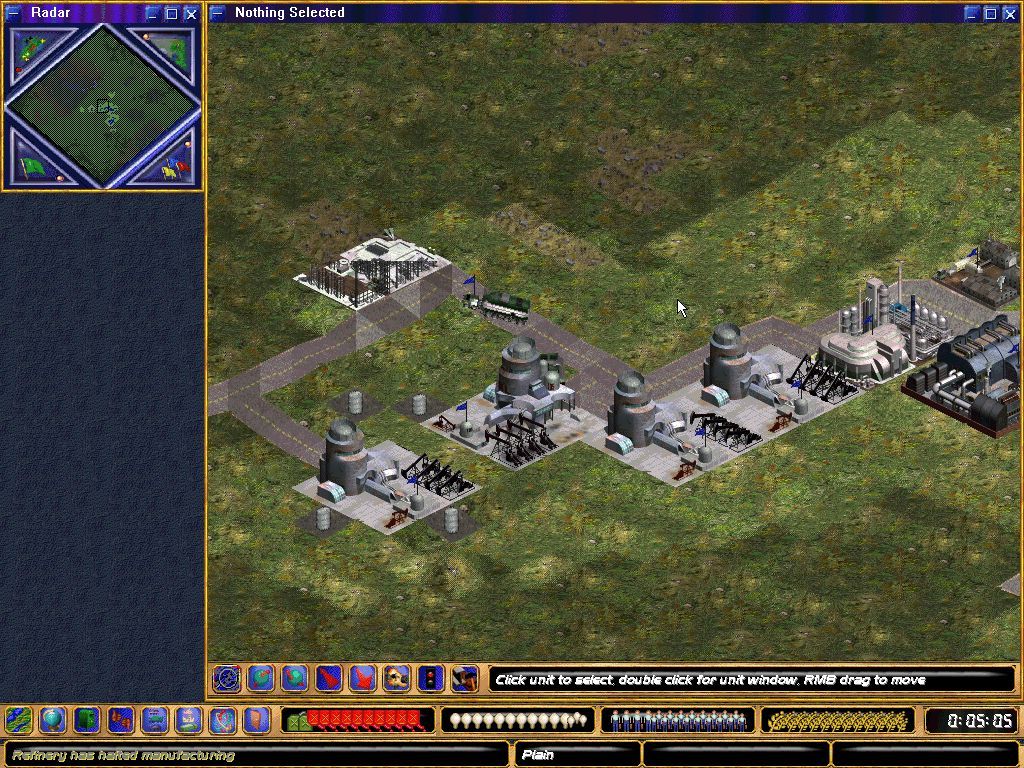
Upon landing your ship on a procedurally generated map, you must secure vital resources—metal, crystal, energy sources—and convert them into productive infrastructure. Gathering these materials isn’t a trivial task: mines must be established, transport routes defended, and supply lines optimized. This economic layer adds a satisfying strategic depth that separates Enemy Nations from more combat-focused RTS titles. You’ll often find yourself torn between expanding your economy and reinforcing your defenses against rival races.
Combat in Enemy Nations is a careful dance of unit composition, positioning, and timing. You’ll send out scouting parties to reveal enemy installations, orchestrate hit-and-run raids on supply lines, and lock down chokepoints with automated defenses. Each stand-alone mission feels purpose-built: objectives range from wiping out all opponents to building a resilient trade hub under constant assault. Though there’s no overarching campaign, each scenario feels fresh and challenging thanks to dynamic map layouts and adjustable difficulty settings.
Graphics
When Enemy Nations debuted, its vibrant color palette and detailed terrain options stood out among its contemporaries. Today, while the visual fidelity might feel dated against modern high-definition standards, the game’s clarity and functional design remain commendable. Every structure, from the humble resource extractor to the gargantuan battle station, is instantly recognizable, allowing you to focus on strategy rather than deciphering unclear icons.
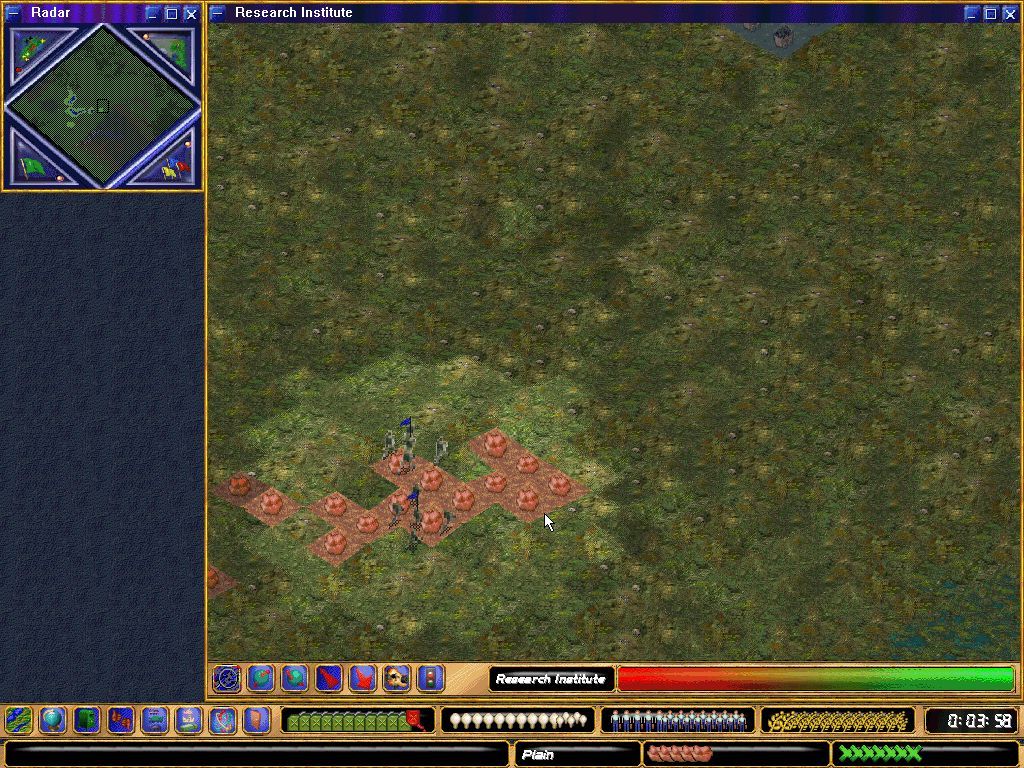
Procedurally generated landscapes feature rolling hills, jagged mountain ranges, rivers, and alien flora that influence both aesthetics and gameplay. Strategic high ground offers vision advantages, water bodies can serve as natural barriers, and dense forests conceal ambush points. The level of environmental interactivity—trees that shake when units pass, or dust clouds raised by heavy armor—still conveys a sense of immersion that few older RTS titles achieved.
Unit animations, while simple by today’s standards, are perfectly serviceable: troop transports lumber across landscapes, fighter ships make sleek fly-bys, and laser beams flash crisply against dim starfields. Explosions and special effects are restrained but impactful, ensuring that large-scale battles remain legible even when dozens of units converge in a single skirmish.
Story
Enemy Nations forgoes a traditional, linear narrative campaign in favor of stand-alone missions that drop you into new planetary scenarios. While this approach deprives the game of a cohesive storyline, it instead encourages you to craft your own tales of conquest, diplomacy, and resource scarcity. Each victory or defeat tells a self-contained story of how you led your race to dominance—or how hubris and poor planning led to annihilation.
The game’s lore is concisely conveyed through brief mission descriptions and unit tooltips, offering glimpses of interstellar conflict among rival civilizations. Although you won’t encounter elaborate cutscenes or character-driven plot twists, the diversity of alien cultures provides enough context to fuel your imagination. The satisfaction of mastering a particularly tough stand-alone scenario often feels more personal and memorable than any scripted campaign.
For players craving narrative depth, the emergent storytelling found in skirmishes can be surprisingly compelling. Negotiating resource scarcity, adapting to surprise attacks, and forging makeshift alliances against a common enemy all contribute to a dynamic storyline that unfolds uniquely in every playthrough. In a way, the absence of a fixed plot is Enemy Nations’ greatest narrative strength.
Overall Experience
Enemy Nations remains a standout title for strategy enthusiasts who appreciate an intricate balance of economy and warfare. Its learning curve is inviting but substantial; initial skirmishes may feel overwhelming as you juggle resource management, base building, and tactical combat. However, incremental mastery brings deep satisfaction—watching your fledgling colony evolve into a sprawling industrial powerhouse is a highlight of the entire experience.
Multiplayer support, though less active than during the game’s heyday, still offers hotseat and LAN options for nostalgic gatherings. AI opponents scale in difficulty to match your growing expertise, and the random map generator ensures that no two matches feel identical. If you’re looking for a game to sink dozens of hours into refining strategies and optimizing build orders, Enemy Nations delivers in spades.
Despite its age, Enemy Nations’ core design philosophies—diverse factions, resource-driven gameplay, and tactical variety—remain highly engaging. Whether you’re a veteran RTS player seeking a classic challenge or a newcomer curious about strategic titles of the late ’90s, this game holds up as a richly rewarding experience. Its blend of economic depth and battlefield tactics makes it a timeless gem in the strategy genre.


Reviews
There are no reviews yet.