 Retro Replay Retro Replay gaming reviews, news, emulation, geek stuff and more!
Retro Replay Review
Gameplay
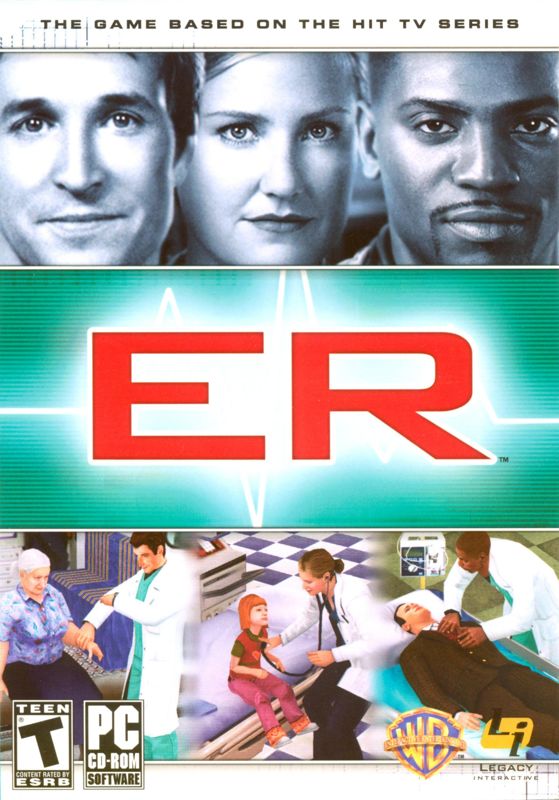
ER places you directly on the front lines of emergency medicine, tasking you with diagnosing and treating patients across six distinct injury categories: general surgery, neurology, broken bones, cardiac emergencies, pediatrics, and toxicology. Each case unfolds with its own unique challenges—from stabilizing a child with a high fever to performing a delicate neurological exam on a senior patient. The game’s pacing mirrors the unpredictable nature of an ER, with new emergencies arriving at any moment and your decisions determining each patient’s fate.
(HEY YOU!! We hope you enjoy! We try not to run ads. So basically, this is a very expensive hobby running this site. Please consider joining us for updates, forums, and more. Network w/ us to make some cash or friends while retro gaming, and you can win some free retro games for posting. Okay, carry on 👍)
Your journey begins as an inexperienced intern with minimal skills. Success in early cases hinges on following step-by-step prompts and managing basic procedures like stitching wounds or administering IV drips. As you treat more patients and accumulate experience points, you unlock advanced diagnostics and treatments. This sense of progression is deeply satisfying: you’ll go from fumbling through basic sutures to confidently performing complex cardiac interventions.
A standout feature is the relationship system. Your rapport with fellow staff members—nurses, attending physicians, and support personnel—directly impacts your performance. Working near a supportive colleague grants skill bonuses and unlocks helpful hints, while clashing personalities can sap your confidence and slow your progress. You can bolster relationships by striking up conversations on personal topics or exchanging thoughtful gifts, adding an engaging social layer that keeps each shift feeling dynamic.
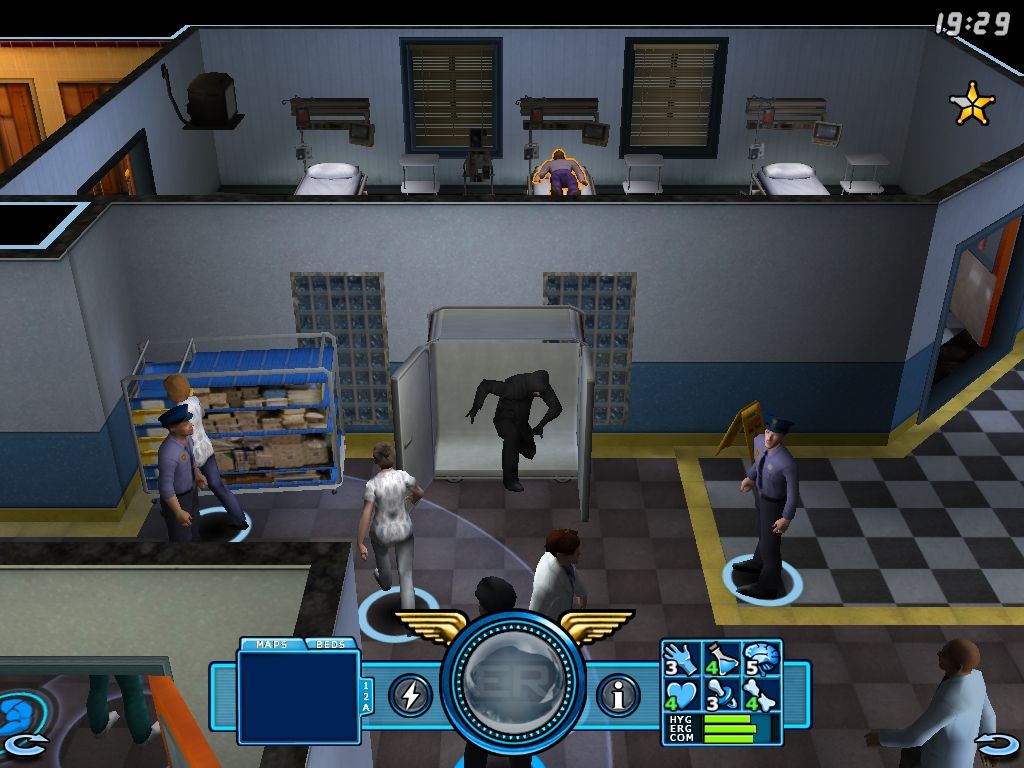
Beyond individual cases, ER presents occasional multi-patient crises—such as mass casualty incidents or outbreaks—that require swift triage and resource management. These high-stakes scenarios intensify the gameplay loop, forcing you to prioritize treatment based on injury severity and available staff. The result is a compelling mix of strategic planning, quick reflexes, and empathy under pressure.
Graphics
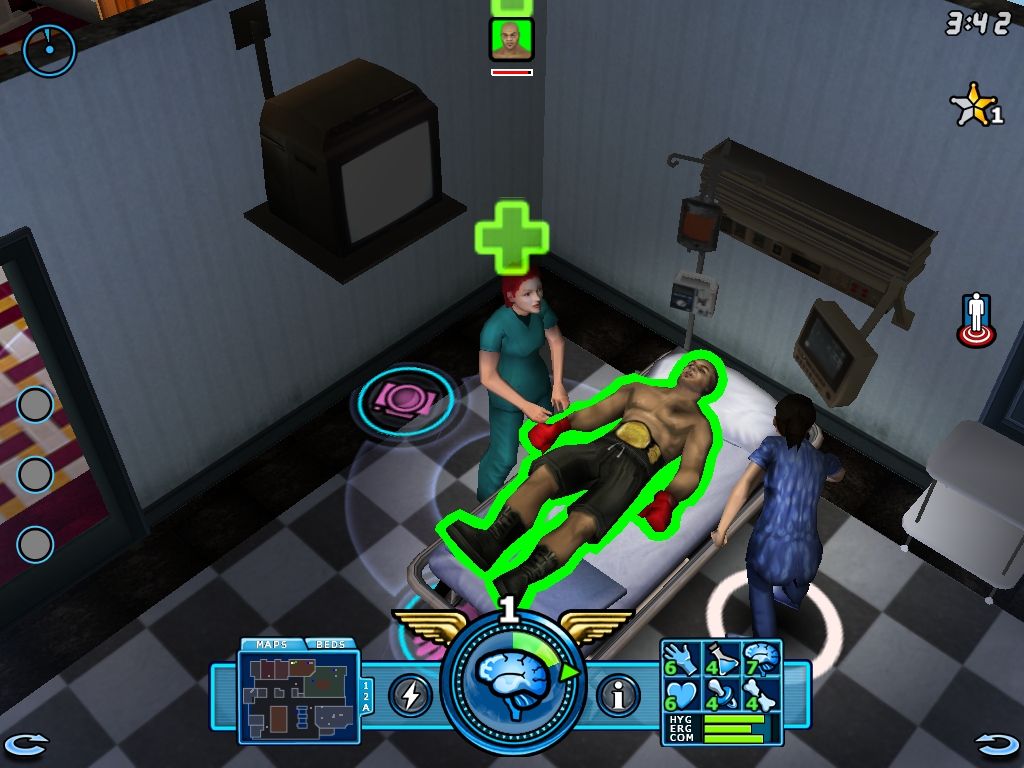
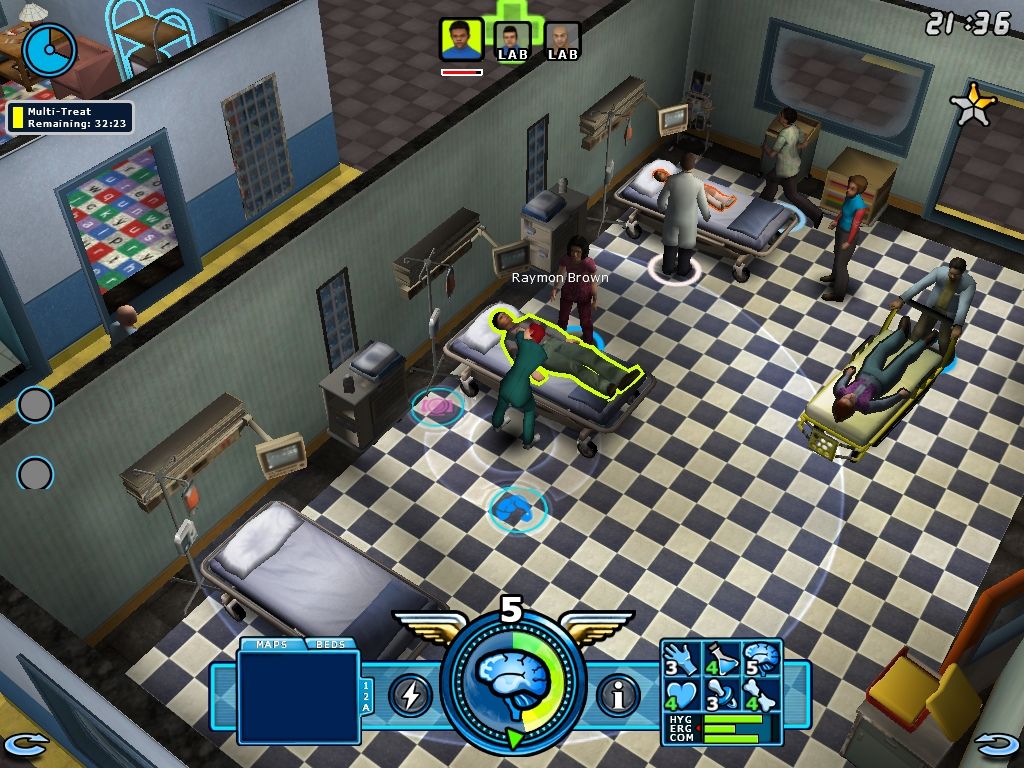
The visual presentation in ER leans toward a realistic, clinical aesthetic. Hospital halls are lined with polished floors, flickering fluorescent lights, and detailed medical equipment that reinforce the hustle and bustle of an active ER. Patient models and animations—especially during critical interventions—are impressively lifelike, heightening the urgency of each procedure.
Character facial expressions and body language play a pivotal role in conveying the emotional weight of your decisions. Whether you’re reassuring a terrified child or consoling a grieving family member, subtle cues like a quivering lip or a thankful nod immerse you in the human drama. These touches add depth to the narrative, reminding you that each case is more than just a checklist of tasks.
The user interface strikes a careful balance between functionality and immersion. Important vitals and diagnostic tools are clearly displayed on-screen, yet the HUD remains unobtrusive during tense moments. Contextual prompts guide you through unfamiliar procedures, while color-coded alerts draw your eye to deteriorating patient conditions without overwhelming the visual field.
Environmental details, such as background chatter, drip sounds, and overhead announcements, further enrich the immersive atmosphere. These ambient effects, combined with crisp textures and lighting, capture the controlled chaos of an emergency department, making each shift feel authentic and urgent.
Story
Built on the legacy of the long-running TV series, ER weaves a narrative that goes beyond standalone cases. You’ll encounter familiar faces from the show and forge new relationships with original characters. As your reputation grows, you become entangled in subplots involving hospital politics, ethical dilemmas, and personal crises among the staff.
Dialogue sequences between cases reveal the personalities and backstories of your colleagues. Over coffee breaks or late-night rounds, you might help a fellow doctor navigate a rocky relationship or assist a nurse in overcoming burnout. These moments provide emotional respite from the clinical grind and deepen your investment in the hospital community.
Key story beats—such as hospital fundraisers, policy inspections, and sudden epidemics—unfold organically, creating peaks and valleys in the narrative arc. The writing captures the moral complexity of medical practice, challenging you to balance limited resources against overwhelming demand. These story-driven events not only test your clinical skills but also your empathy and leadership.
While each shift offers a self-contained vignette, the cumulative effect is a cohesive storyline that evolves with your character. Your choices—how you treat patients, whom you befriend, and which causes you champion—shape the hospital’s future and the lives of those within it.
Overall Experience
ER succeeds in bridging the gap between medical simulation and character-driven drama. The core gameplay loop of diagnosing, treating, and bonding with staff feels both rewarding and emotionally resonant. Whether you’re a fan of the TV series or a newcomer seeking a realistic ER simulator, the title offers a rich, engaging experience.
Replay value is strong thanks to variable case outcomes, branching relationship paths, and randomized crisis events. No two shifts play out the same way, encouraging you to refine your approach and explore different strategies. The mix of hands-on procedures and social interactions keeps the pace fresh, ensuring that even long-time players remain invested.
Despite occasional slowdowns during complex multi-patient scenarios, the game’s polished presentation and depth of content make these moments feel like authentic reflections of real-world ER pressures. The blend of intense medical challenges, interpersonal drama, and emerging storylines creates a holistic package that appeals to both strategy enthusiasts and narrative-focused gamers.
In conclusion, ER delivers a compelling glimpse into the high-stakes environment of emergency medicine. With its tight gameplay mechanics, realistic graphics, and emotionally driven story, the game offers an immersive experience that will resonate long after your shift ends.



Reviews
There are no reviews yet.