 Retro Replay Retro Replay gaming reviews, news, emulation, geek stuff and more!
Retro Replay Review
Gameplay
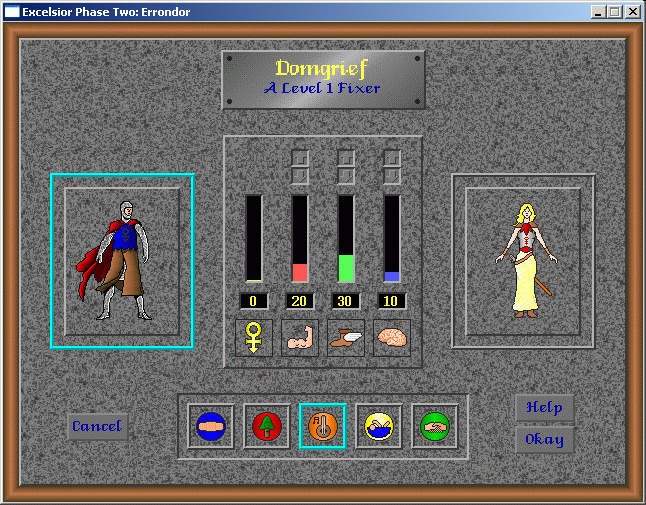
Excelsior Phase Two: Errondor embraces the classic tile-based RPG formula, delivering a measured, strategic experience that rewards careful planning. From the moment you create your character—allocating points in attributes like Strength, Agility, and Intelligence—you’ll find yourself weighing trade-offs at every turn. Do you pump points into Swimming to cross the River Tarl or invest in Music to charm the riverfolk? This depth of choice immediately sets the tone for a world where even the simplest action can open new pathways.
(HEY YOU!! We hope you enjoy! We try not to run ads. So basically, this is a very expensive hobby running this site. Please consider joining us for updates, forums, and more. Network w/ us to make some cash or friends while retro gaming, and you can win some free retro games for posting. Okay, carry on 👍)
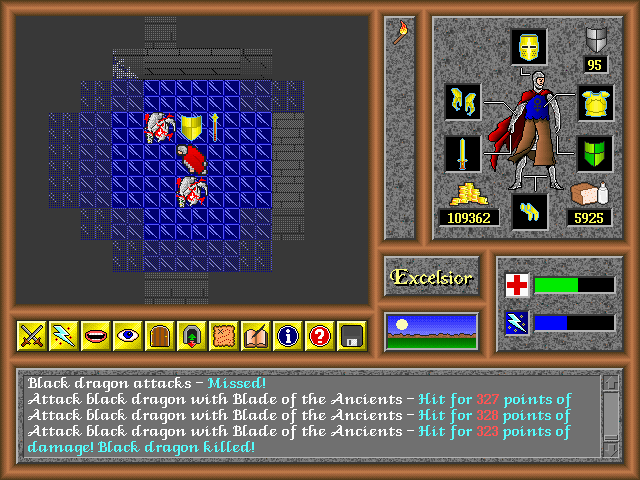
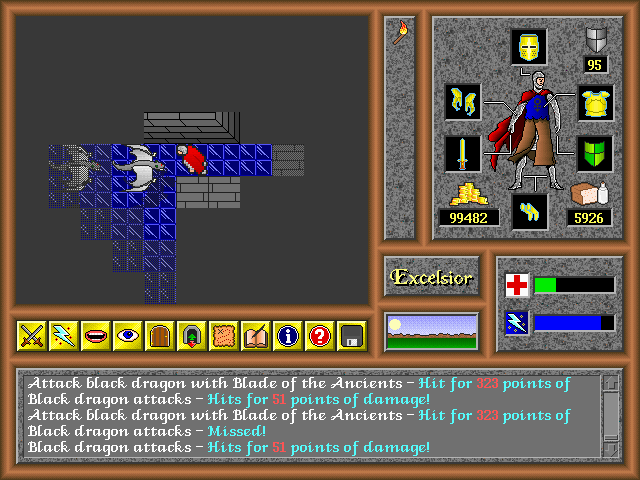
The core gameplay loop revolves around exploration, questing, and tactical combat. Tiles transition seamlessly as you move through towns, forests, and dungeons, revealing hidden doors, trapped chests, or wandering monsters. Combat is turn-based, with weapon types (swords, bows, staves) and a robust spell list shaping every encounter. You’ll quickly learn that bandaging and first-aid skills can be as vital as a well-placed Fireball—one wrong step in a marsh or failing to patch up a bleeding warrior can spell disaster.
Side-quests in Errondor expand on the main narrative, offering puzzles that leverage your character’s non-combat skills. Solve a musical code to open a sealed vault, or swim beneath a waterfall to discover a sunken shrine. These missions aren’t mere padding; they provide valuable equipment, lore insights, and alternate routes that may even change the final resolution of your fixer’s assignment. The game smartly scales challenge by recommending skill levels rather than arbitrary character levels, making each task feel tailored to your build.
Character progression feels meaningful thanks to an intuitive skill system. Rather than leveling up in broad strokes, you see direct improvements in specific areas—lockpicking takes fewer turns, spellcasting drains less mana, swimming lets you traverse deeper waters. This granular feedback makes every victory and every point spent resonate with a sense of growth, encouraging experimentation with hybrid builds that blend swordplay, sorcery, and support abilities.
Graphics
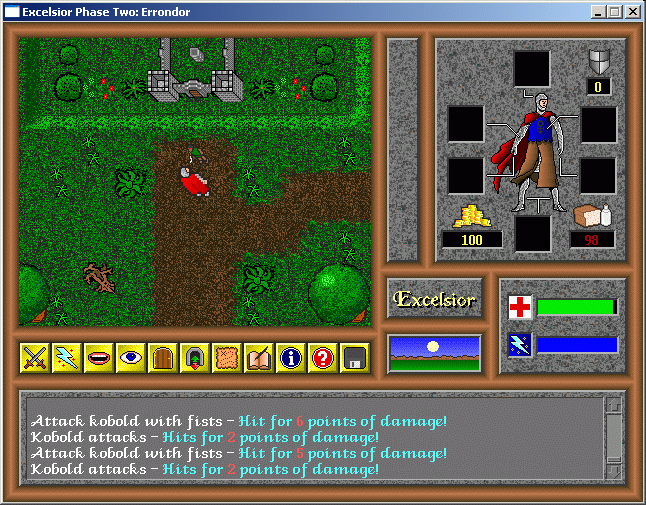
Visually, Excelsior Phase Two harks back to the golden era of 2D tile-based RPGs while incorporating modern touches. The hand-drawn sprites retain a nostalgic pixel charm, and environmental detail—from ivy-clad walls in ancient keeps to shimmering lake surfaces—creates an inviting world ripe for exploration. Animations are modest but purposeful: torches flicker, water ripples, and even the rustle of trees responds to your character’s approach.
The color palette strikes a balance between earthy realism and high-fantasy vibrancy. Towns glow with warm lantern light, while dungeons lean into cooler tones that underscore their ominous depths. Dynamic lighting effects—such as spell glow or torch flicker—add atmosphere without overwhelming the classic tile grid. Even on higher resolutions, tiles snap crisply, preserving that retro feel.
User interface elements have been overhauled for clarity. Inventory screens, skill menus, and quest logs are laid out logically, minimizing excessive clicks. Tooltips explain weapon stats and spell effects, ensuring you rarely guess at how a new artifact will perform. While some purists may bemoan the loss of a purely minimalist HUD, most players will appreciate the quality-of-life improvements.
Minor visual hiccups, such as occasional sprite overlap in crowded taverns, are quickly forgivable given the overall polish. The absence of 3D graphics is intentional, serving the game’s focus on classic role-playing rather than spectacle. If you’re seeking sweeping vistas rendered in real time, this isn’t that title—but if you prize artistic consistency and timeless design, Errondor delivers.
Story
The narrative of Excelsior Phase Two: Errondor is anchored by an intriguing premise: you are the world’s latest “fixer,” tasked with undoing the last fixer’s catastrophic failure and locating their missing counterpart. This dual-layered mission—resolve a looming threat while solving a personal mystery—drives the plot forward with steady momentum. The game gradually reveals the nature of the original fixer’s mistake, weaving in themes of accountability, redemption, and the unforeseen consequences of well-intended deeds.
NPCs in Errondor are fleshed out with distinctive dialogue, regional dialects, and branching conversation choices. A barmaid in the port town of Yathril may offer a clue about your predecessor, while a hermit mage deep in the Whispering Swamp tests your resolve with cryptic riddles. These interactions enrich the world’s lore, making every side-quest feel like an organic piece of the larger tapestry rather than filler content.
Quests often present moral dilemmas. Do you side with the riverfolk in their land dispute—risking the anger of neighboring farmers—or broker a fragile peace that benefits neither fully? Such decisions have tangible ripple effects: completed quests can alter town demographics, unlock new market goods, or even change which enemies appear on the overworld. The story thus becomes yours to shape, with multiple endings reflecting your key choices.
Writing quality remains consistently high, with descriptive passages that bring Errondor’s landscapes and characters to life. While the absence of full voice acting might initially feel like a throwback, it encourages your imagination to fill in tones and inflections, echoing the immersive text-driven classics that inspired the game. Background music and ambient sound effects—creaking floorboards, distant thunder—round out the storytelling, delivering emotional cues at precisely the right moments.
Overall Experience
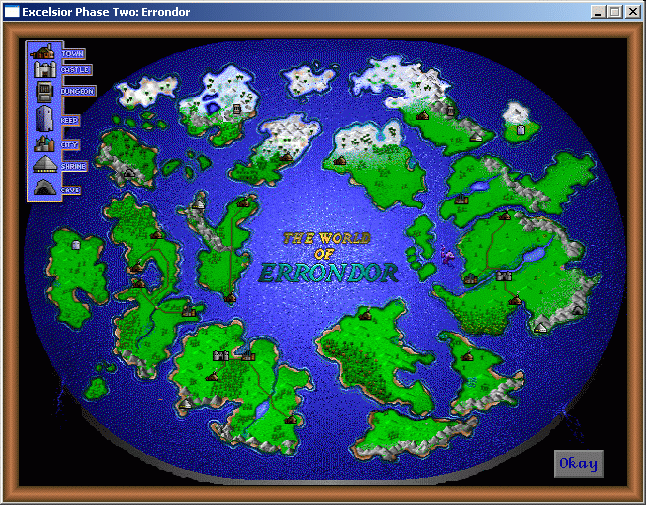
Excelsior Phase Two: Errondor offers a rewarding blend of nostalgia and innovation. Fans of Ultima 4-7 will appreciate the familiar tile-based exploration and deep skill systems, while newcomers will find a robust RPG that doesn’t shy away from challenging puzzles and moral complexity. The sense of discovery—unearthing hidden shrines, uncovering lost lore, or stumbling into an unmarked quest—never wears off, even after dozens of hours of play.
The learning curve can initially feel steep, especially for players unaccustomed to text-heavy interfaces and turn-based tactics. However, generous in-game documentation, tooltips, and optional tutorials ease you into the mechanics. Progression never stalls: whether you’re grinding for XP in a goblin cave or negotiating a truce between rival clans, there’s always something meaningful to achieve.
Technical performance is solid on a wide range of hardware. Load times are minimal, and save-anywhere functionality alleviates concerns about lengthy dungeon crawls. Occasional pathfinding quirks or minor UI clipping issues are rare enough not to detract from the overall enjoyment. Regular developer patches have addressed most bugs since launch, and the community is already producing mods that introduce new quests, sprite sets, and balance tweaks.
Ultimately, Errondor stands as a testament to the enduring appeal of classic RPG design when married to modern convenience. Its sprawling world, intricate quests, and skill-driven progression invite hours of immersion. If you’re seeking a game that rewards curiosity, strategic thinking, and a willingness to explore every conversation thread, then Excelsior Phase Two: Errondor should be high on your list.



Reviews
There are no reviews yet.