 Retro Replay Retro Replay gaming reviews, news, emulation, geek stuff and more!

Retro Replay Review
Gameplay
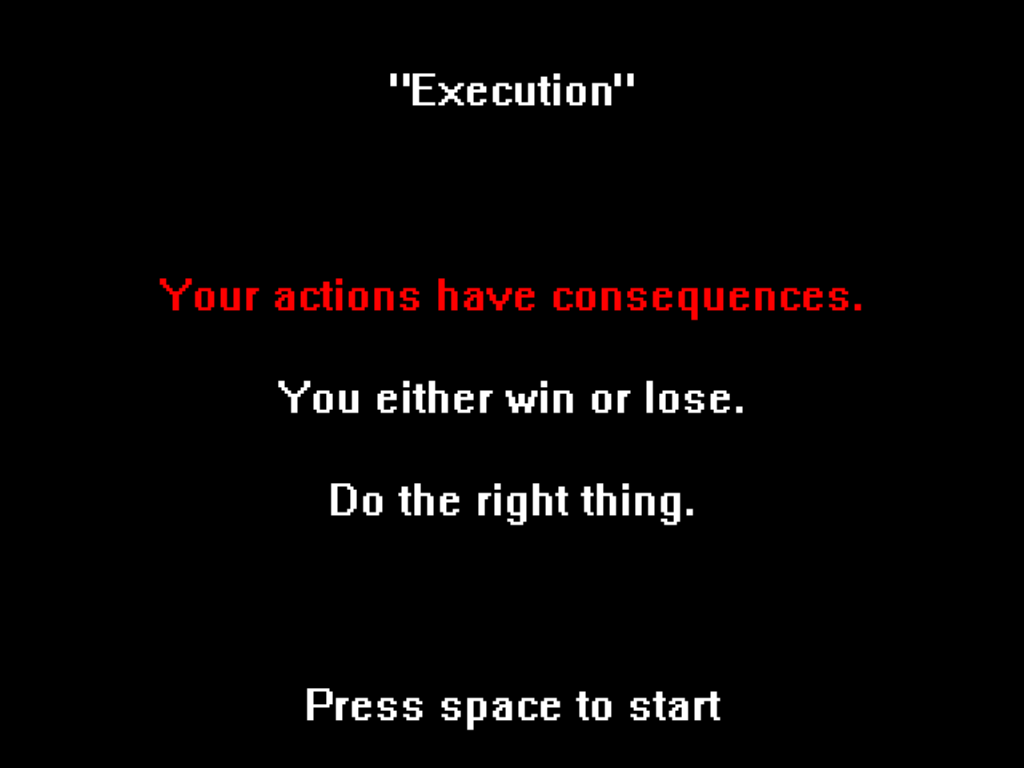
The core of Execution’s gameplay centers on a single, tightly focused interactive sequence. Players are invited to make a series of simple choices—each one subtle at first, but collectively building toward a moment that reframes everything that came before. Despite the minimalistic controls, the weight of each decision is palpable, and the seemingly straightforward navigation through environments quickly becomes a test of one’s own moral compass.
(HEY YOU!! We hope you enjoy! We try not to run ads. So basically, this is a very expensive hobby running this site. Please consider joining us for updates, forums, and more. Network w/ us to make some cash or friends while retro gaming, and you can win some free retro games for posting. Okay, carry on 👍)
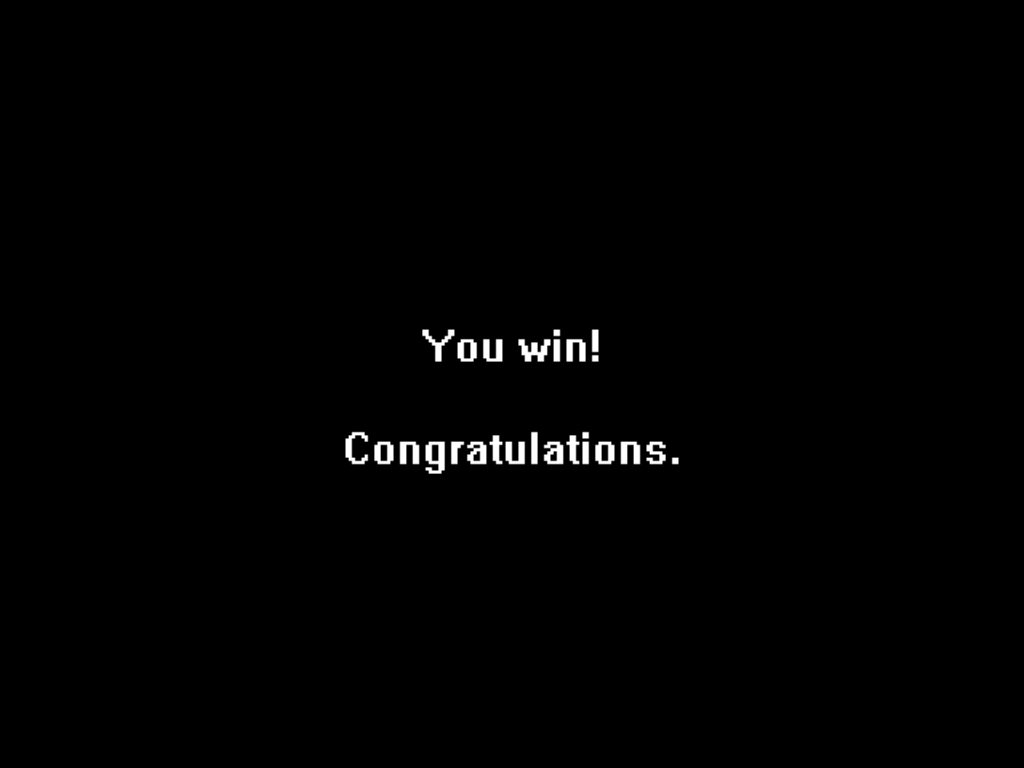
What makes Execution stand out is the need to replay the sequence at least twice to grasp the full breadth of its meaning. On a first run, you may feel unsettled by the abrupt tonal shift near the climax. A second playthrough, however, reveals carefully planted clues and visual metaphors you likely missed initially. This design encourages reflection, as you actively piece together the game’s true message by revisiting the same spaces with a new mindset.
That said, the brevity of the experience leaves little room for extensive mechanical depth. If you’re seeking varied puzzles or long-form gameplay loops, Execution may feel sparse. Yet its simplicity is deliberate: by stripping away extraneous mechanics, the game forces you to confront each moment without distraction. For players open to nontraditional design, this sparse approach heightens the emotional impact.
Graphics
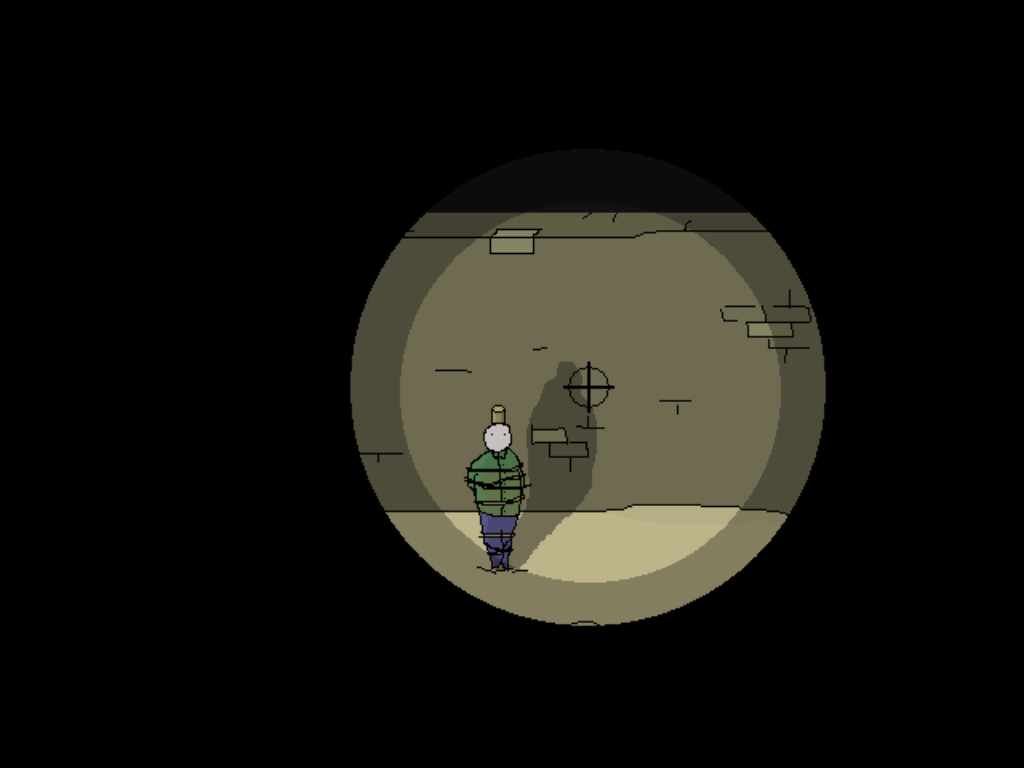
Execution employs a restrained visual style that relies on stark lighting, muted color palettes, and carefully composed framing. The environments are purposefully sparse: a handful of props, a few distinct color accents, and strong contrasts between light and shadow. This minimalism directs your focus squarely onto the unfolding drama, ensuring you aren’t overwhelmed by needless visual noise.
Textures are deliberately rough and raw, giving every corridor and room a lived-in, almost oppressive atmosphere. Details such as cracked paint, flickering light bulbs, and distant echoes reinforce the sense that you’re witnessing something hidden from view. These subtle touches lend a documentary-like authenticity to the proceedings, making the eventual confrontation all the more unsettling.
Animation and camera work play a critical role in shaping the mood. Movement is often slow and deliberate, with key moments framed in tight close-ups that leave little room for interpretation. This emphasis on perspective makes you feel complicit, as if you’re an active participant rather than a passive observer. By the time the final scene arrives, the visual language has already primed you for its shocking implications.
Story
At its heart, Execution is a narrative experiment about the consequences of one’s actions. The game offers almost no exposition, trusting you to interpret characters’ motivations based on fleeting glimpses and equivocal dialogue. This ambiguity can be both empowering and frustrating—empowering because it invites personal interpretation, frustrating because any attempt to detail the plot risks spoiling its carefully hidden surprises.
The central narrative thread revolves around a moral dilemma that is unveiled in the game’s harrowing finale. Without divulging specifics, it suffices to say that the emotional punch comes not from grandiose events but from the uneasy realization of how small decisions lead to irreversible outcomes. Execution doesn’t provide easy answers; instead, it challenges you to grapple with uncertainty long after you’ve put down the controller.
Playing through a second time uncovers nuances you missed initially: a fleeting line of dialogue, a shadowy figure lurking just out of sight, or a symbol scrawled on a wall. These details coalesce into a richer thematic tapestry, illuminating questions about guilt, responsibility, and the limits of empathy. It’s rare for a game to demand active post-play analysis, but Execution thrives on it.
Overall Experience
Execution is not a conventional gaming experience—it’s closer to an interactive art installation that happens to be delivered on your screen. Its strengths lie in its ability to provoke deep introspection rather than entertain in a typical sense. If you approach it expecting lengthy combat sequences or sprawling open worlds, you may be disappointed. But if you’re curious about how games can explore weighty subjects in a concentrated format, this title will resonate strongly.
The game’s short runtime (roughly 15–20 minutes per playthrough) means it won’t overstay its welcome, but be prepared for an emotional aftershock. Some players might find the content too disturbing to revisit immediately, making the promised second playthrough feel like a daunting obligation. Yet it’s precisely that tension—between wanting closure and fearing what you’ll uncover—that underscores the experience’s lasting impact.
For potential buyers, Execution is best viewed as a thought experiment rather than a traditional game. It demands patience, introspection, and a willingness to confront uncomfortable truths. Those open to artful provocation will find it an unforgettable journey, while players seeking conventional entertainment may want to look elsewhere. Ultimately, Execution succeeds in its ambitious goal: it leaves you questioning not just the game’s narrative, but the resonance of your own choices in life.


Reviews
There are no reviews yet.