 Retro Replay Retro Replay gaming reviews, news, emulation, geek stuff and more!


Retro Replay Review
Gameplay
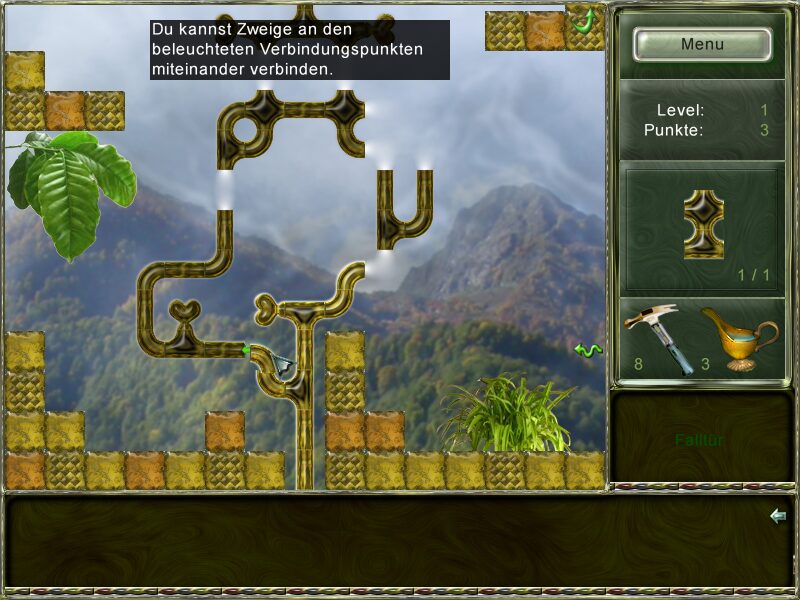
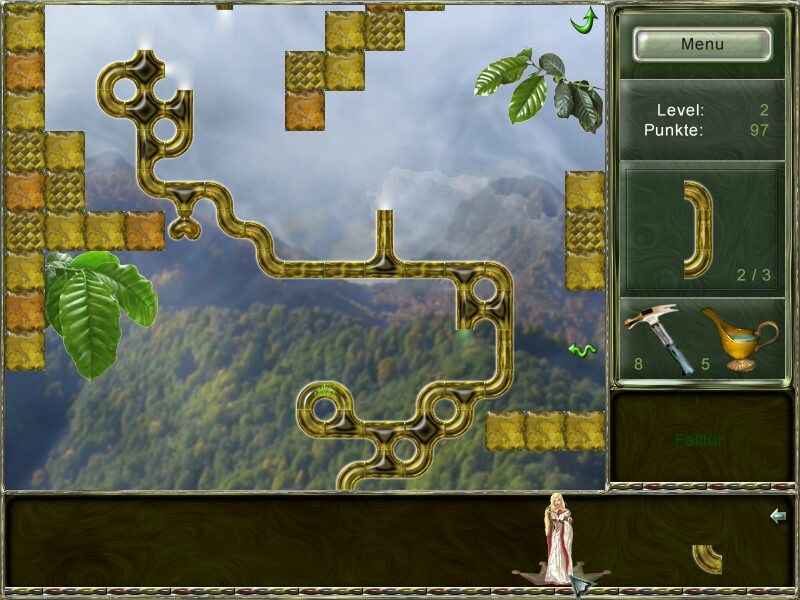
Fiber Twig delivers a deceptively simple premise that quickly evolves into a tense, strategic puzzle challenge. At its core, you are tasked with rebuilding a damaged branch by selecting from an ever‐growing queue of pieces at the bottom of the screen. Each piece—whether it’s a straight line, curve, T‐junction, or more exotic form—must be rotated and placed on the playfield to create a continuous path from the starting node to the topmost target. The sense of progression is immediate as you see your branch take shape, weaving organically based on the shapes you’re dealt.
(HEY YOU!! We hope you enjoy! We try not to run ads. So basically, this is a very expensive hobby running this site. Please consider joining us for updates, forums, and more. Network w/ us to make some cash or friends while retro gaming, and you can win some free retro games for posting. Okay, carry on 👍)
The playfield mechanics are enriched by the tools and constraints presented on the right side of the interface. A hammer allows you to remove misplaced segments, while a water droplet icon can alter certain pieces to better fit your design. These utilities carry limited charges, encouraging careful planning and conservation. If you mismanage the stacking area at the bottom, pieces will pile up and eventually trigger a game over, adding a layer of time‐sensitive tension reminiscent of classic falling‐block puzzles.
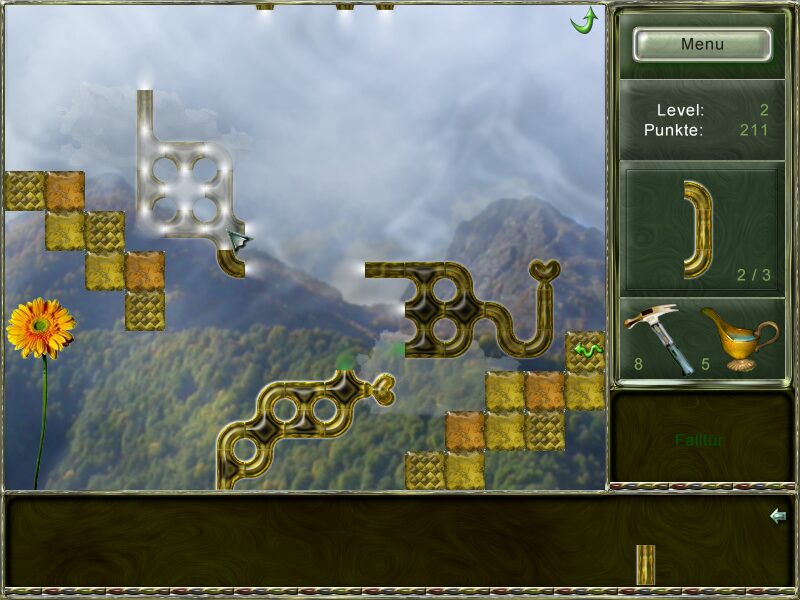
Across its 18 vertically scrolling levels, Fiber Twig gradually ramps up the complexity by introducing transparent segments that require matching duplicates to activate. This twist prevents rote placement and forces you to think a few steps ahead. Subtle shifts in available piece types and emerging obstacles—such as blocked cells or pre‐built junctions—keep each stage feeling fresh. The balance between pressure from the stacking queue and the zen‐like satisfaction of connecting each branch segment makes for an engaging, addictive gameplay loop.
Graphics
Fiber Twig’s visual presentation strikes a pleasing balance between minimalism and thematic warmth. The main playfield features muted, wood‐grain textures that evoke the natural essence of a growing branch, while each puzzle piece is rendered in clear, contrasting hues for instant readability. Rotational animations are smooth, and the snapping motion when a segment locks into place provides just the right tactile feedback without overwhelming the eye.
The user interface is cleanly divided into three sections—playfield, tool sidebar, and piece queue—each framed by subtle borders that maintain visual separation without feeling cluttered. Icons for the hammer and water tools are intuitive, and their cooldown animations are both informative and unobtrusive. Background elements, such as a soft gradient or lightly animated wood grain, add depth without distracting from the core puzzle action.
Performance remains rock‐solid even during intense stacking moments, with no noticeable frame drops or input lag. Whether you’re playing on a high‐end desktop or a modest laptop, the artwork scales gracefully and maintains crisp edges. Overall, the graphics serve the gameplay beautifully, providing clarity and aesthetic charm that enhance the calming yet focused tone of the experience.
Story
While Fiber Twig is primarily gameplay‐driven, it weaves a subtle narrative about restoration and growth. The premise of mending a “damaged” branch can be seen as a metaphor for nurturing life back to health. Each level feels like a new chapter in a larger journey, with the branch progressively restoring itself as you advance through the stages. Though there are no voiced characters or cutscenes, the evolving visuals of the branch convey a quiet sense of accomplishment.
Ambient sound design and a gentle, nature‐inspired soundtrack complement the minimalist story framework. Soft chirps, rustling leaves, and a mellow acoustic score underscore the theme of natural resilience. These audio cues bolster the feeling that you are nurturing something organic and living rather than simply aligning abstract shapes on a grid.
In the absence of a deeply woven plot, Fiber Twig relies on its thematic consistency to maintain engagement. The notion of breathing life back into a fragile ecosystem resonates through each puzzle, giving your geometric placements an emotional undercurrent. It’s a light touch, but enough to transform what could be a purely mechanical exercise into a quietly uplifting narrative experience.
Overall Experience
Fiber Twig excels at delivering a refined puzzle experience that balances challenge and serenity. The core loop—selecting pieces, rotating them, and solving the spatial riddle under the pressure of a looming piece stack—remains engaging from the first level to the eighteenth. Even seasoned puzzle fans will appreciate the steady increase in complexity, while newcomers will find the basic mechanics easy to learn yet hard to master.
Replayability is bolstered by the drive to optimize each branch layout, conserve tool usage, and achieve higher scores. The inclusion of transparent pieces and limited‐use modifiers adds strategic depth, encouraging you to revisit earlier levels with fresh approaches. There’s a satisfying “just one more try” quality here that keeps you hooked, whether you have five minutes or an hour to spare.
Overall, Fiber Twig is a polished, thoughtfully designed puzzle game that offers a distinctive twist on classic block‐placement formulas. Its blend of intuitive controls, tasteful graphics, and a subtle narrative framework make it an excellent choice for players seeking a mindful yet engaging gaming session. If you enjoy spatial puzzles with a touch of natural elegance, Fiber Twig is well worth adding to your collection.



Reviews
There are no reviews yet.