 Retro Replay Retro Replay gaming reviews, news, emulation, geek stuff and more!

Retro Replay Review
Gameplay
Fiend places you directly in the boots of Nick Cane, an investigator whose exploration of a derelict New England mine quickly turns into a harrowing fight for survival. The top-down, 2D tile-based perspective offers precise control over movement and aiming, ensuring each encounter with wolves, rats, and other monstrous denizens feels immediate and tense. Early on, when Nick is unarmed, every shadow could conceal a deadly predator—this forces you to move cautiously and weigh every step.
(HEY YOU!! We hope you enjoy! We try not to run ads. So basically, this is a very expensive hobby running this site. Please consider joining us for updates, forums, and more. Network w/ us to make some cash or friends while retro gaming, and you can win some free retro games for posting. Okay, carry on 👍)
As Nick scavenges for resources, you’ll discover a well-balanced mix of combat and puzzle-solving. Your first firearm doesn’t come cheaply; you must search abandoned shacks, sift through debris, and crack open locked chests to find ammunition, healing tonics, and old manuscripts. Each item you collect can be used both for combat and environmental puzzles, from unlocking doors to powering strange contraptions in the mansion’s hidden chambers.
The inventory system is intuitive but never trivial. You’re limited by what Nick can carry, so you’ll often decide between extra bullets or a crucial healing tonic. This scarcity keeps tension high throughout the game. Puzzle sections range from simple lever swaps and key hunts to more intricate patterns etched into dusty floors, creating a satisfying ebb and flow between action and brain-teasing challenges.
Graphics
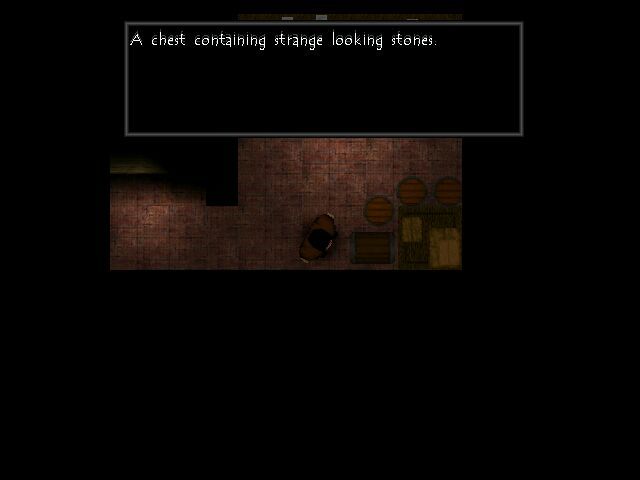
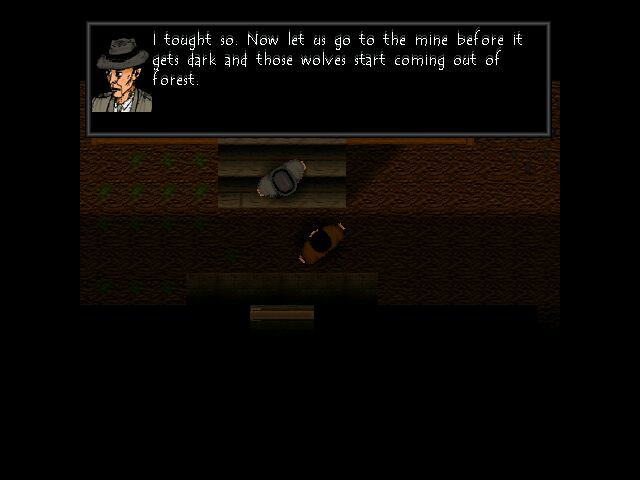
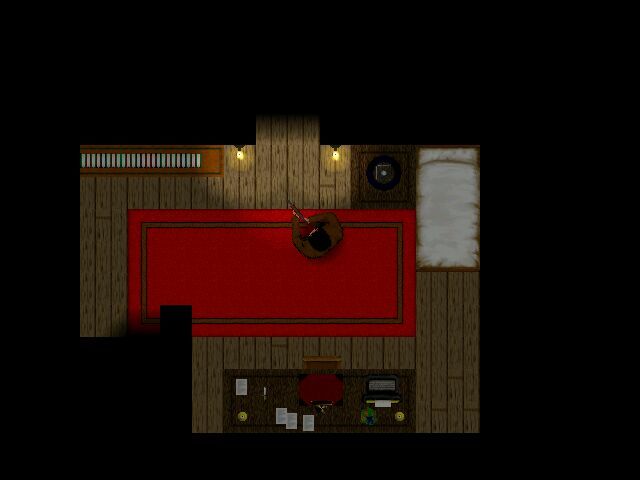
Though Fiend’s visuals are rooted in classic pixel art, the game effectively uses light and shadow to enhance its horror atmosphere. Dimly lit corridors, flickering lanterns, and the occasional burst of gunfire against a backdrop of inky darkness create a sense of dread that belies the simplicity of the 2D tiles. The environments—from cramped mine shafts to decaying mansion halls—are richly detailed and thematically consistent.
Character and creature sprites are small but well-animated. Wolves prowl with menacing gaits, and rats skitter in unpredictable patterns, keeping you on edge. Environmental hazards, such as collapsing beams or hidden pits, are cleverly integrated into the tile sets, turning exploration into a nerve-wracking ordeal when you least expect it.
Each area of Lauder feels distinct: the muddy tunnels are claustrophobic, the overgrown courtyard invites brief respite before plunging you into the mansion’s eerie grandeur. Occasional color flairs—like the crimson glow of a healing tonic or the sickly green hue of a toxic trap—break up the subdued palette, drawing your eyes to crucial gameplay elements without feeling jarring.
Story
Fiend’s narrative is firmly Lovecraft-inspired, dribbling out pieces of a larger mystery through found manuscripts, fragmented journals, and environmental cues. When Nick Cane arrives at the sleepy village of Lauder, his mission to inspect a mine seems straightforward—until the ground quakes and something ancient stirs in the darkness. From that moment, you sense a looming dread that the game rarely relents from.
The manuscripts you collect aren’t mere collectibles; each scroll reveals snippets of Lauder’s bloody past and the unspeakable rituals that awakened a malevolent force. Piecing together these fragments drives the forward momentum, as you discover connections between the mine, the wolves that now roam freely, and the mansion’s shadowy inhabitants. The lack of voiced dialogue enhances immersion, making every note you read feel precious.
Fiend doesn’t spoon-feed its lore. Instead, it trusts players to connect dots: strange symbols carved into walls, whispered warnings on yellowed paper, and recurring motifs of eyes, claws, and subterranean tunnels. This approach keeps the mystery alive long after you’ve put the controller down, prompting theories about the true nature of the evil lurking beneath Lauder.
Overall Experience
As a freeware title, Fiend punches well above its weight. The blend of survival-horror tension, puzzle elements, and evocative pixel art creates a compact but memorable journey. Despite its modest scope, the game manages to deliver a sense of scale—every cavern feels part of a sprawling underworld, and every mansion room hints at deeper secrets.
Difficulty ramps up at just the right pace. Early monsters teach you to conserve ammo and manage inventory; midgame puzzles challenge your observational skills; and late-game sequences ratchet up stress with limited resources and more aggressive foes. While some players might find the tile-based layout restrictive, others will appreciate the retro nod and the precision it affords in tight quarters.
Ultimately, Fiend is an engaging, atmospheric adventure that stands out in the freeware landscape. Its combination of Lovecraftian dread, resource management, and clever puzzles makes it a must-play for fans of classic survival horror and top-down action. Whether you’re drawn by the promise of unraveling Lauder’s dark history or simply eager for a tense, bite-sized horror experience, Fiend delivers in spades.


Reviews
There are no reviews yet.